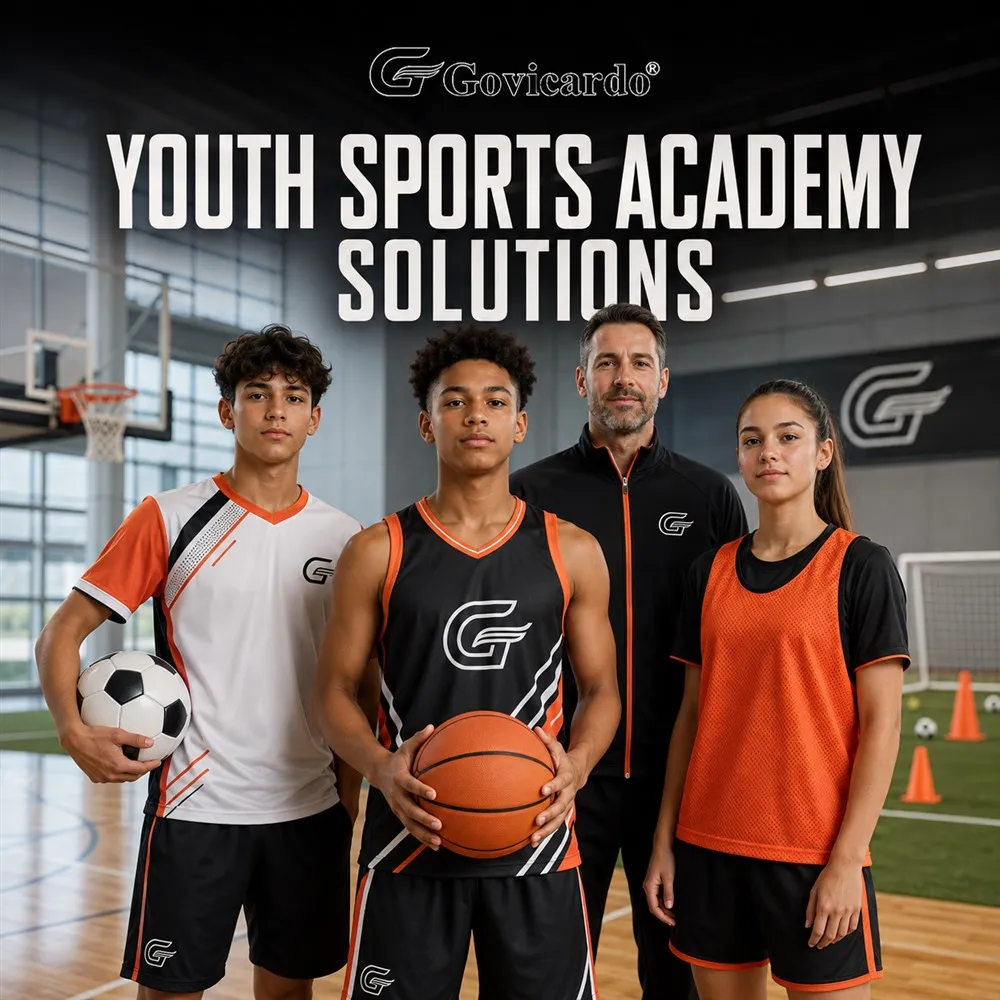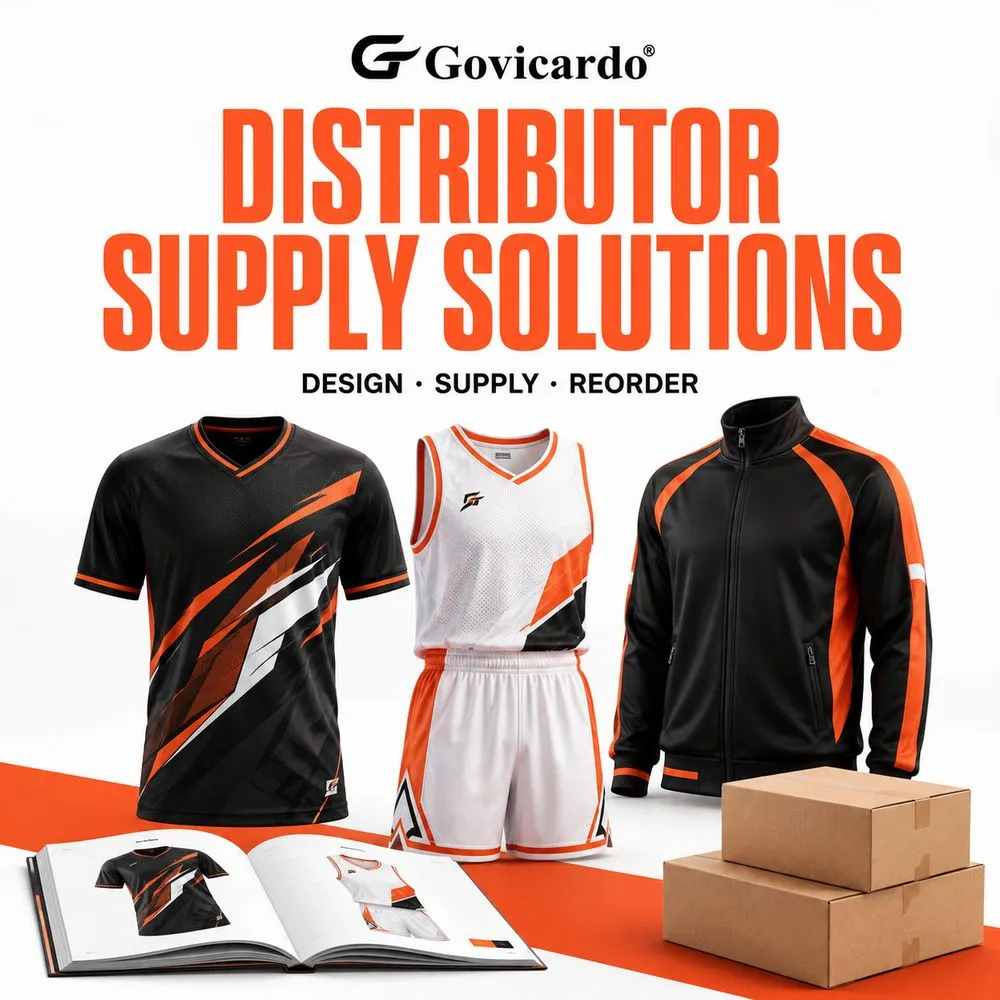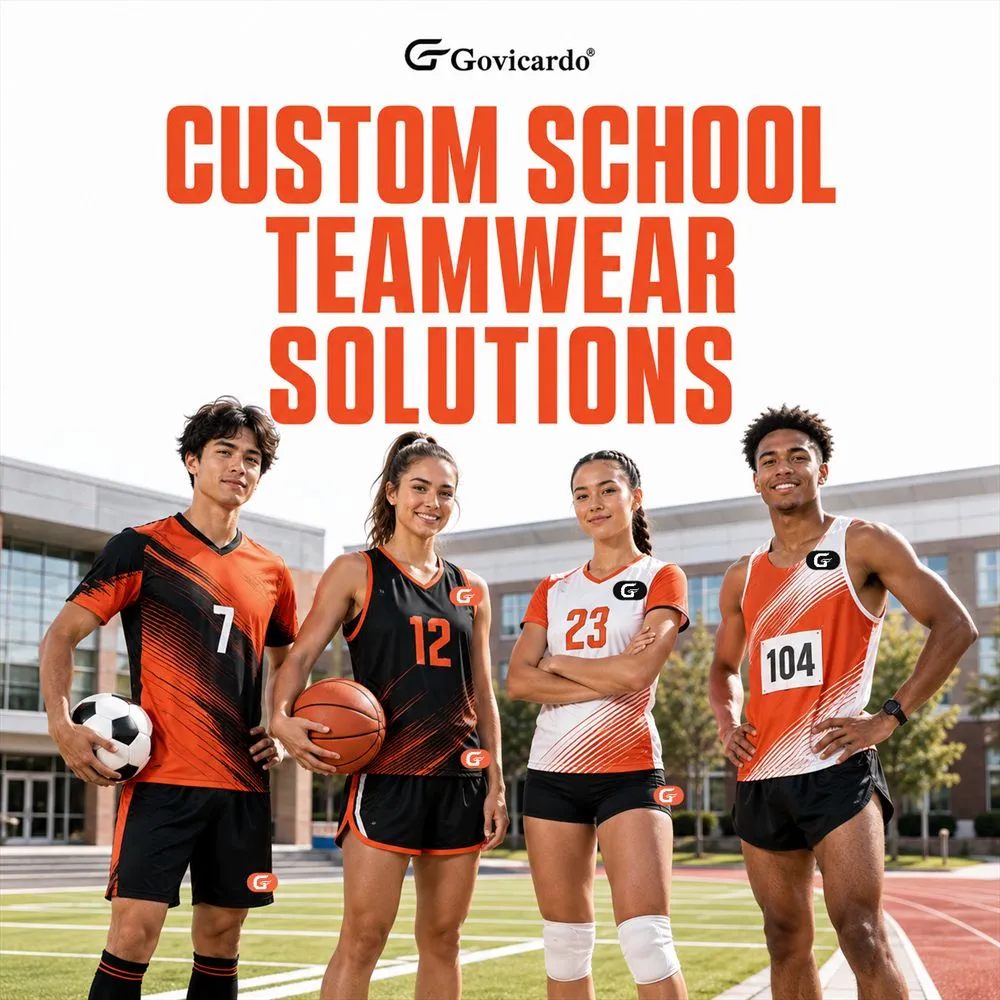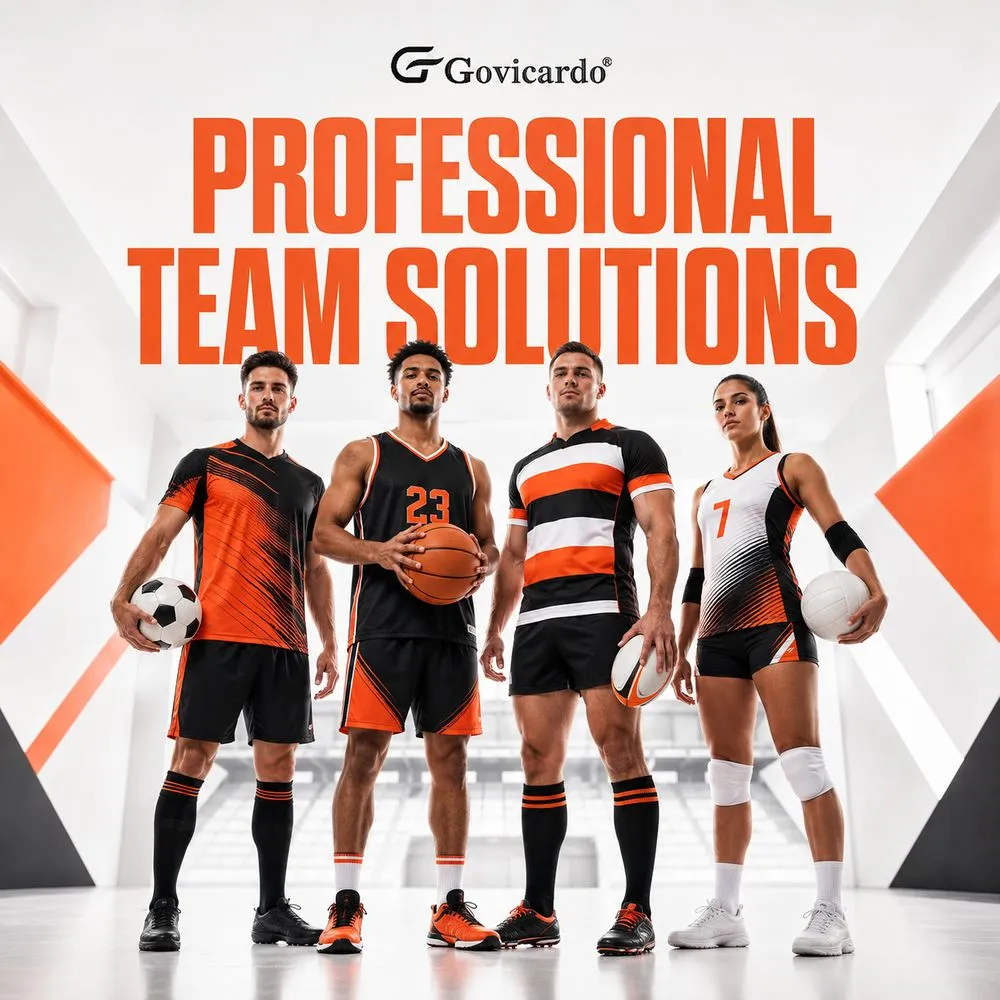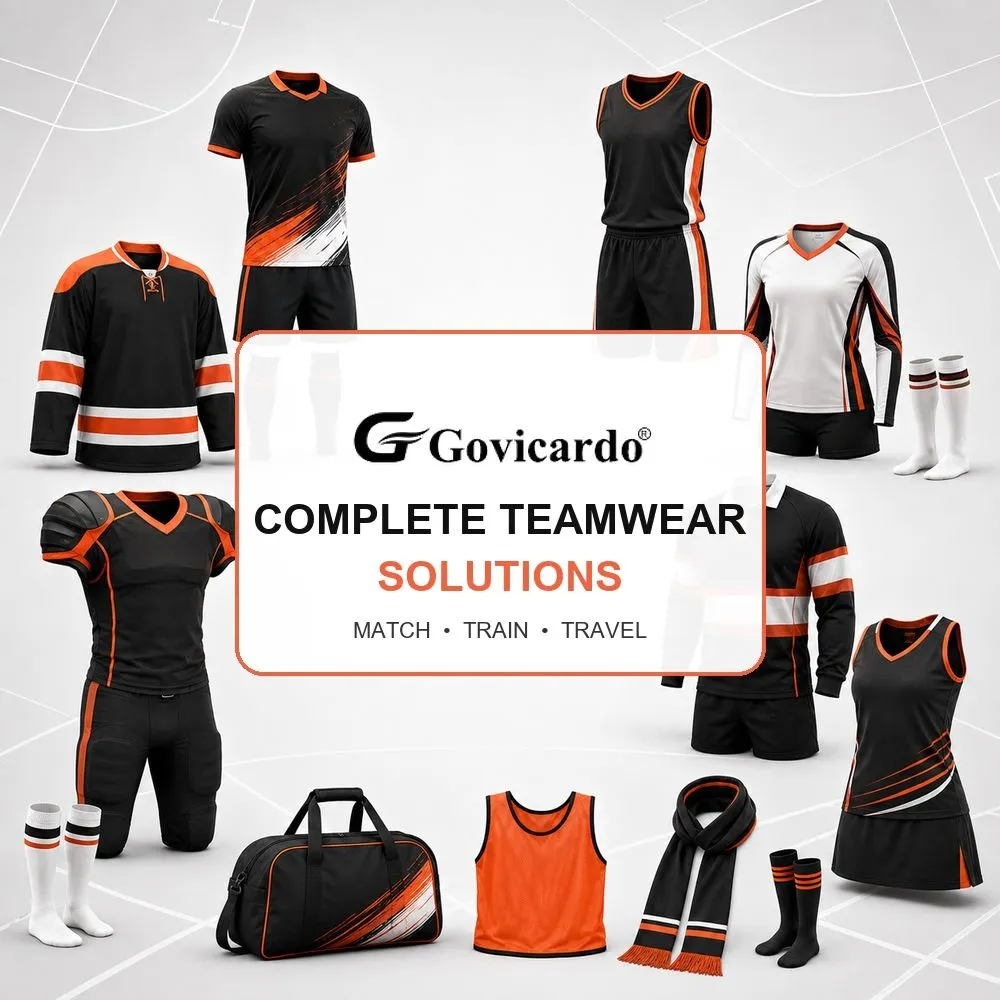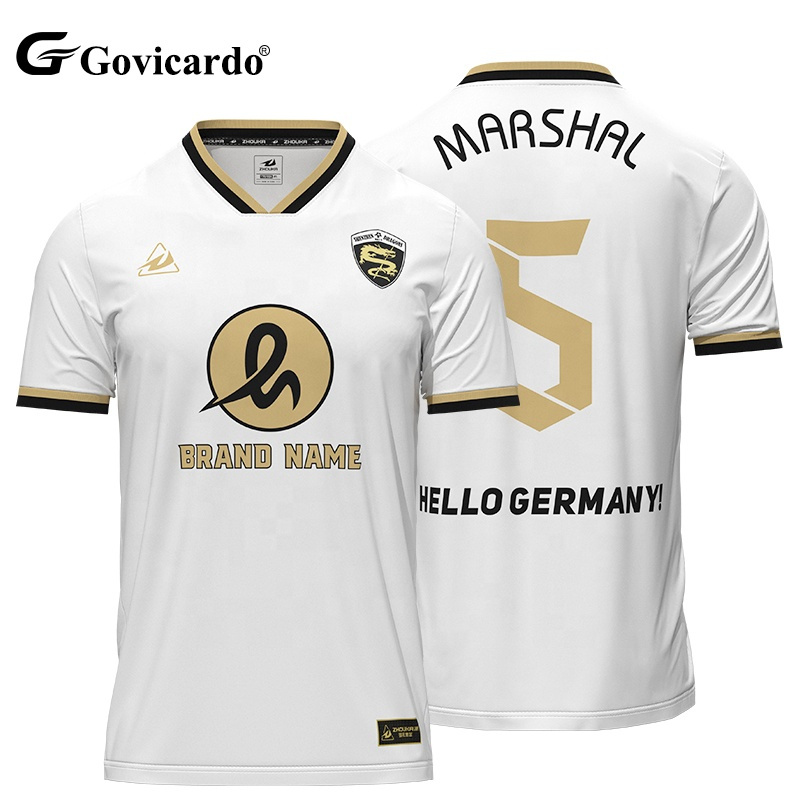
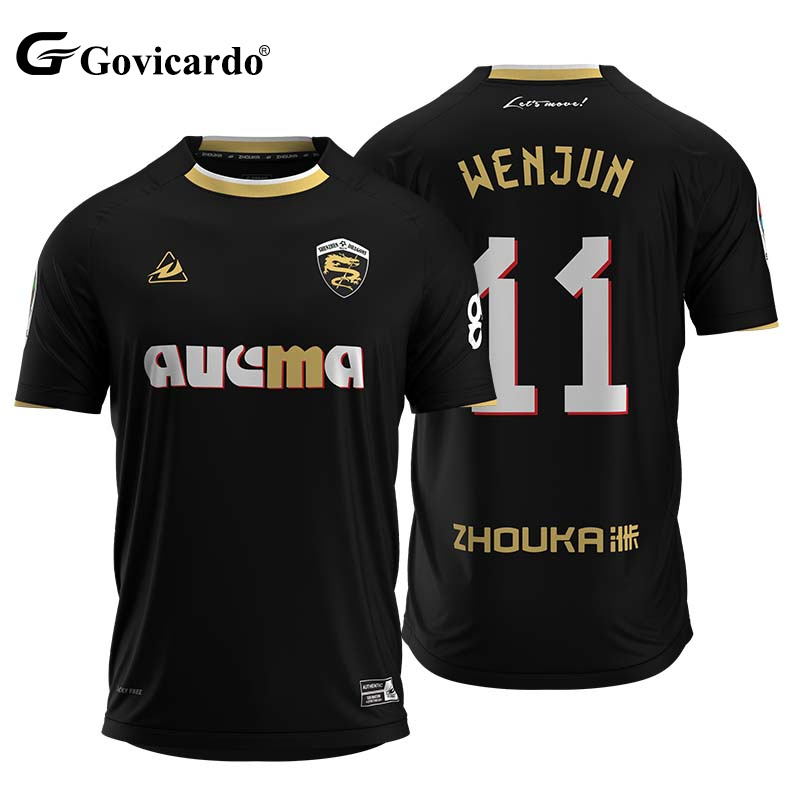
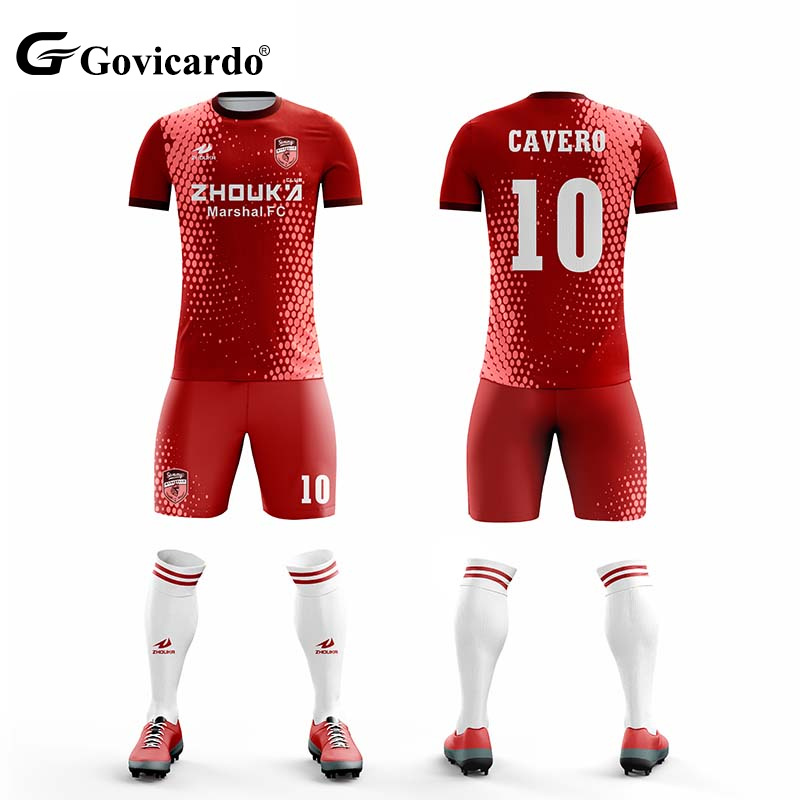
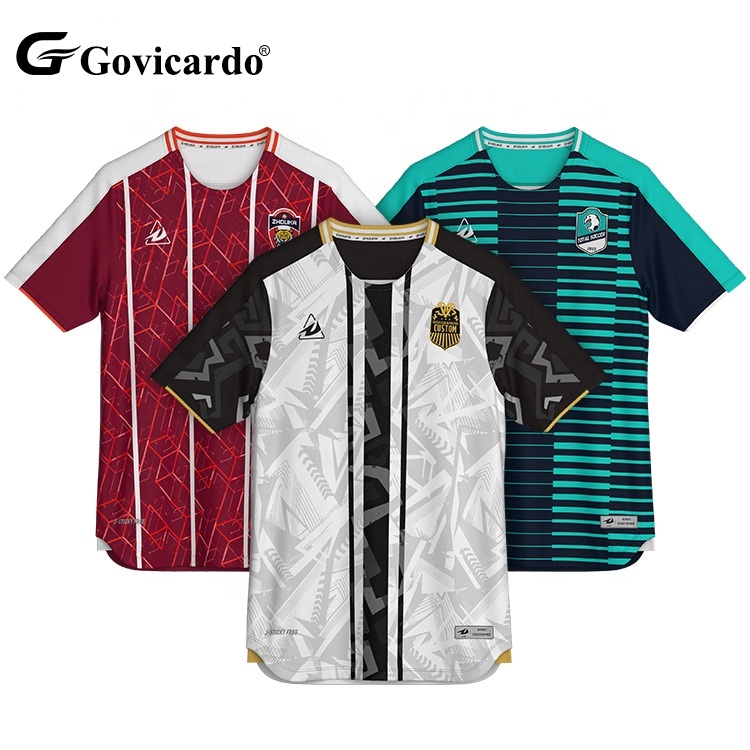
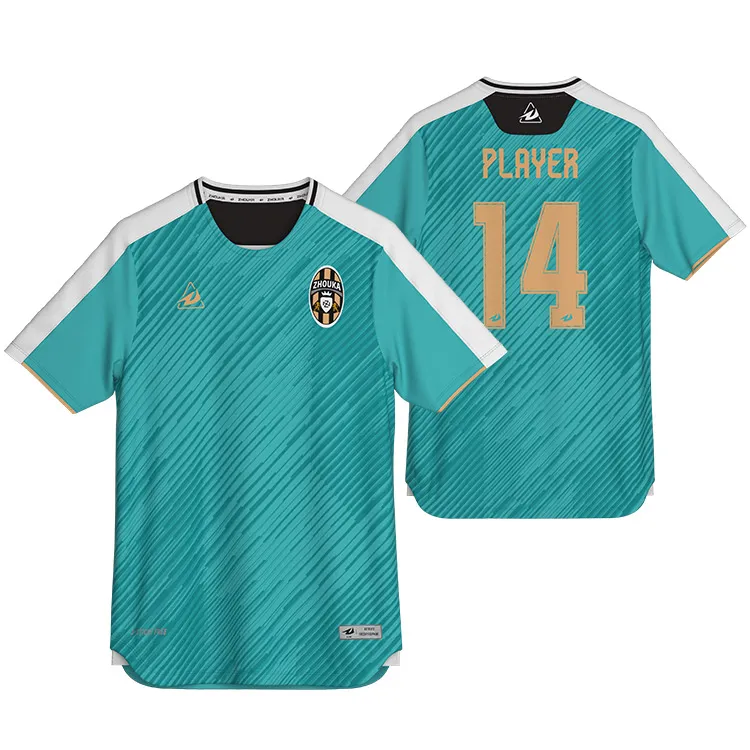
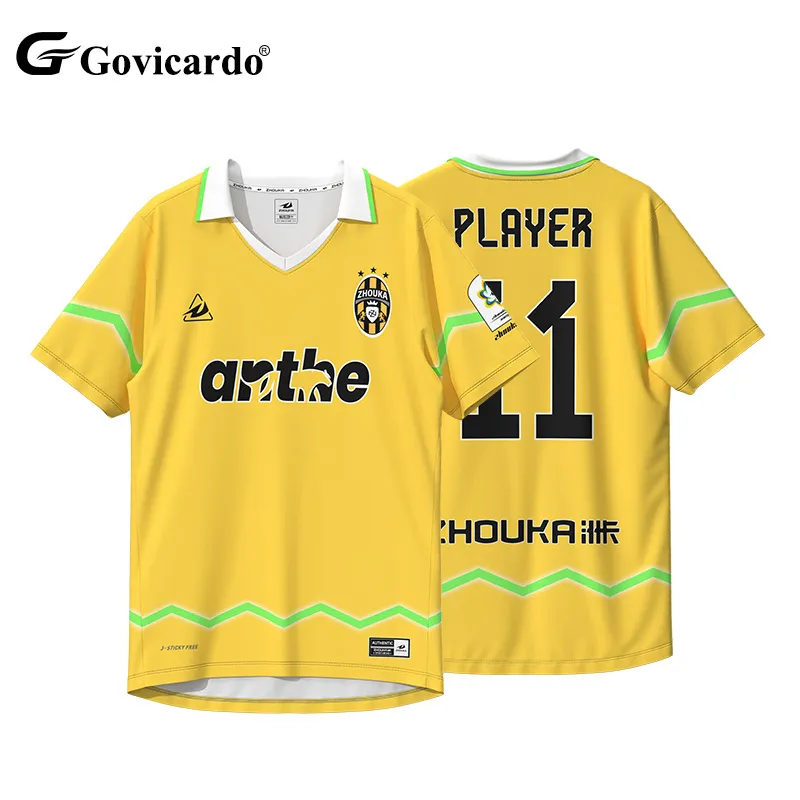
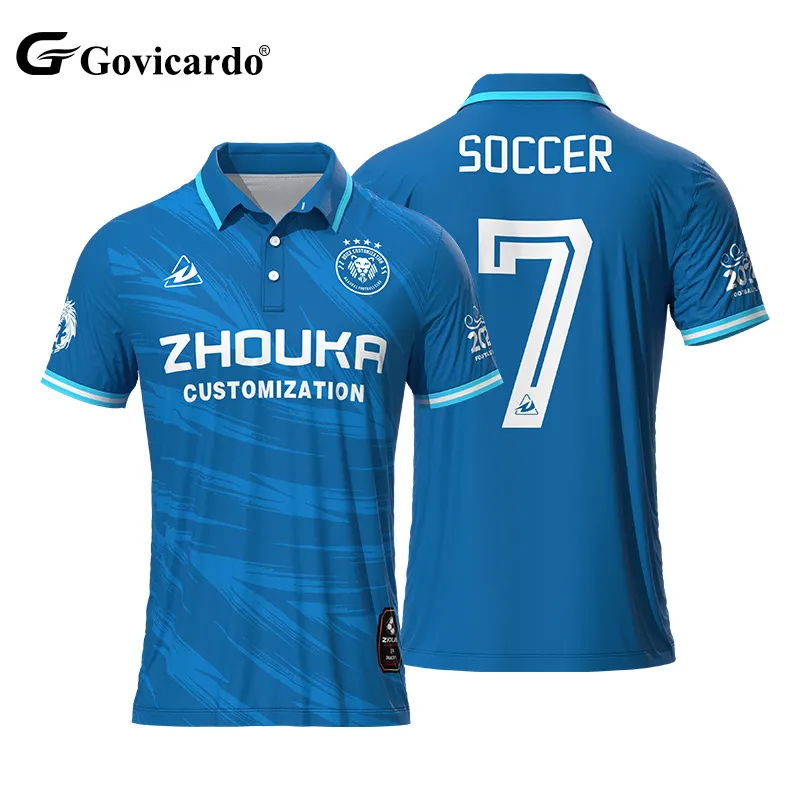
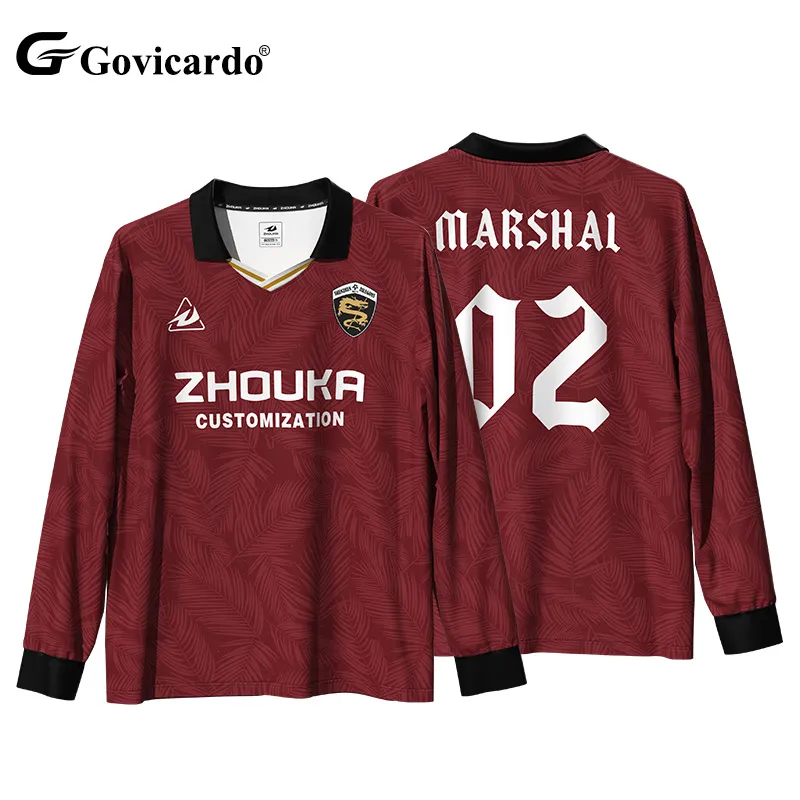
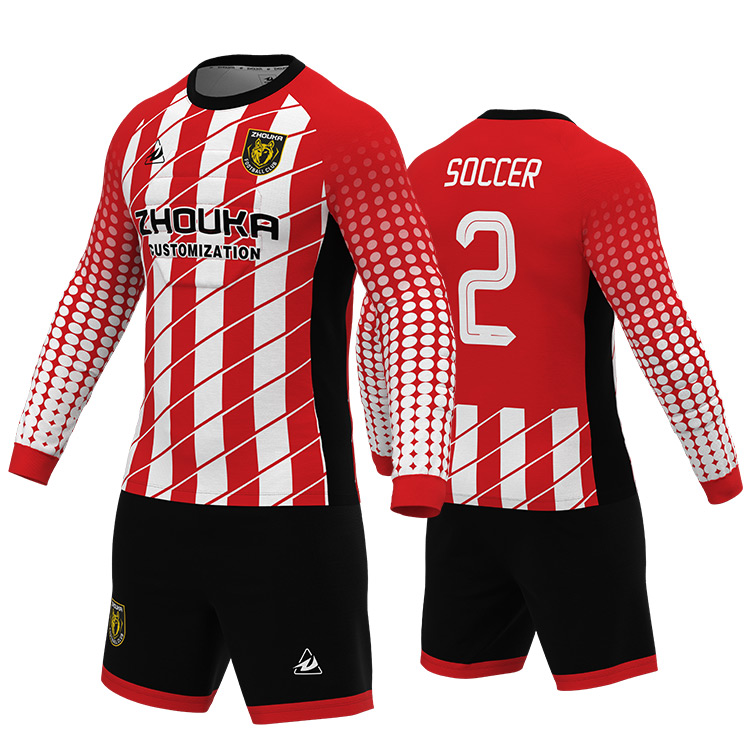
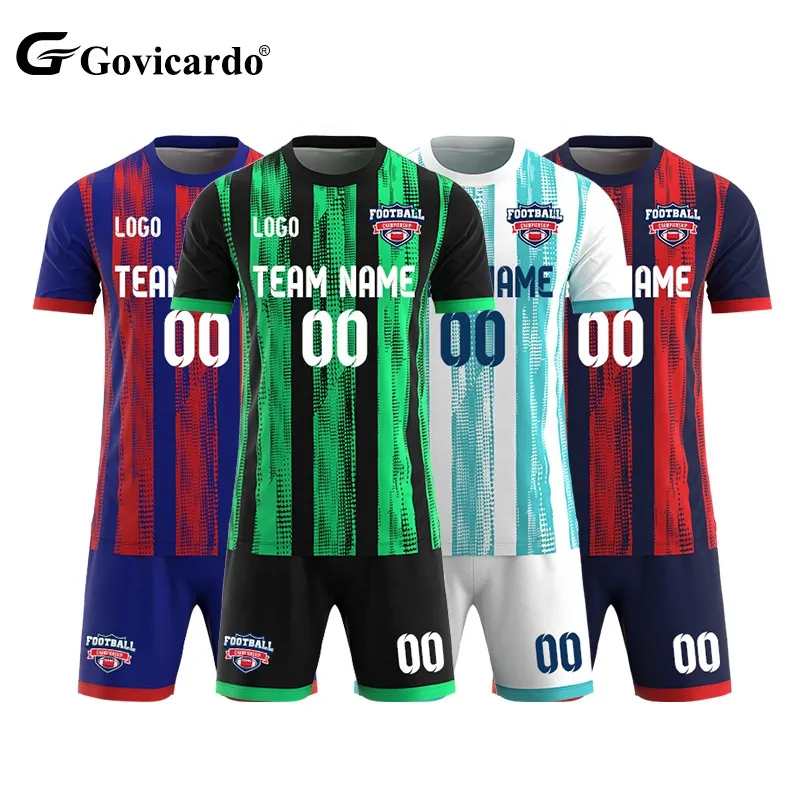
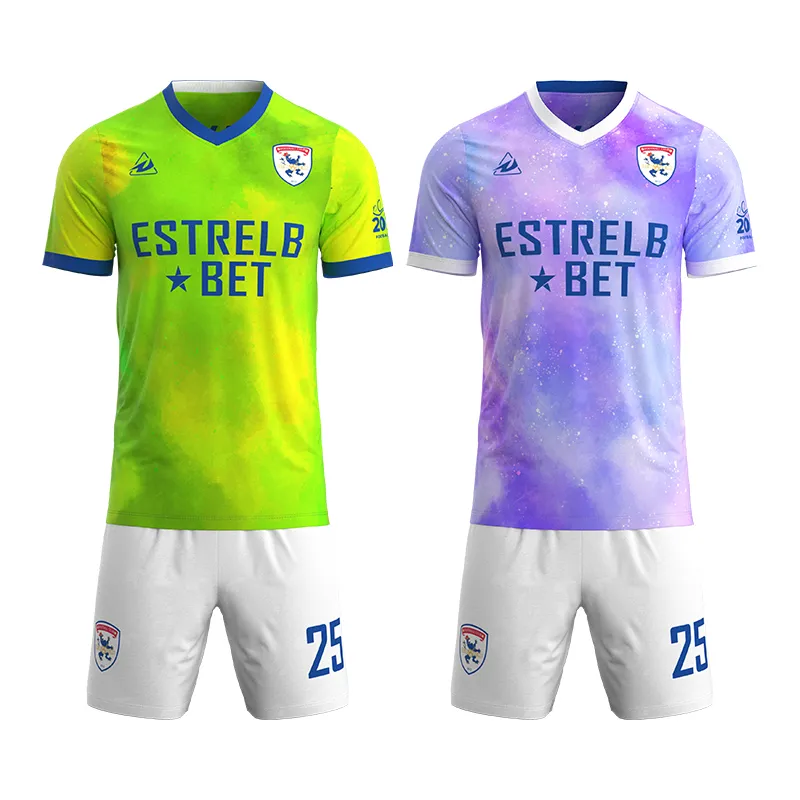
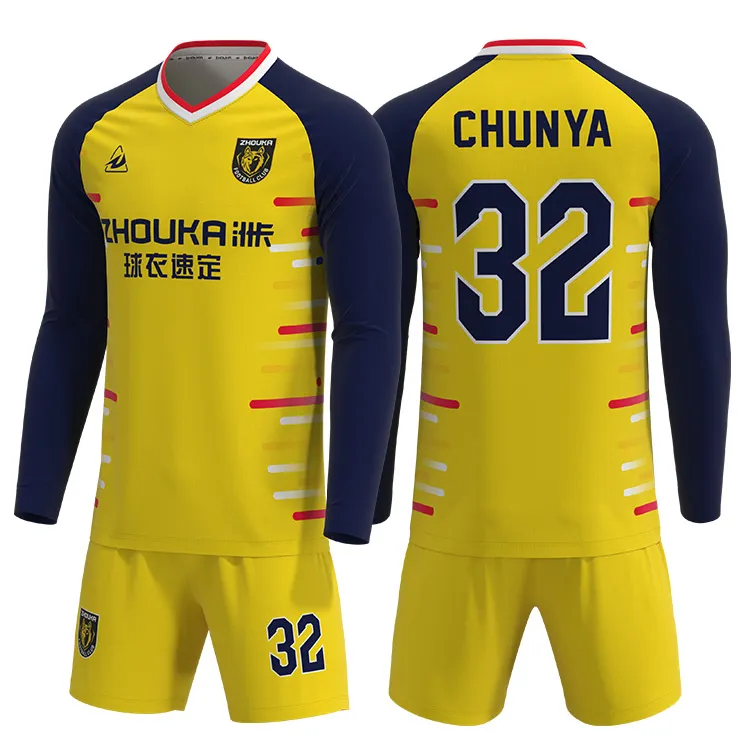
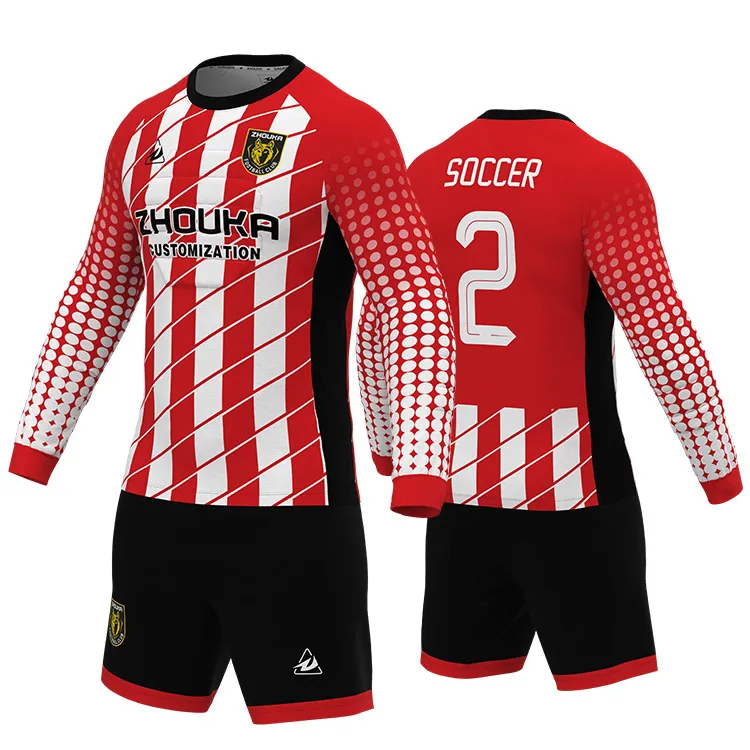
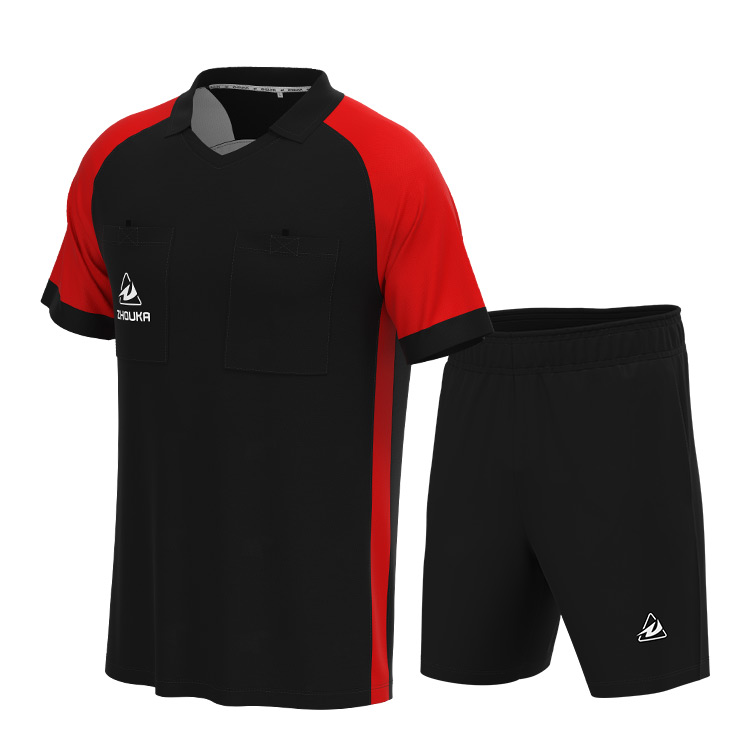
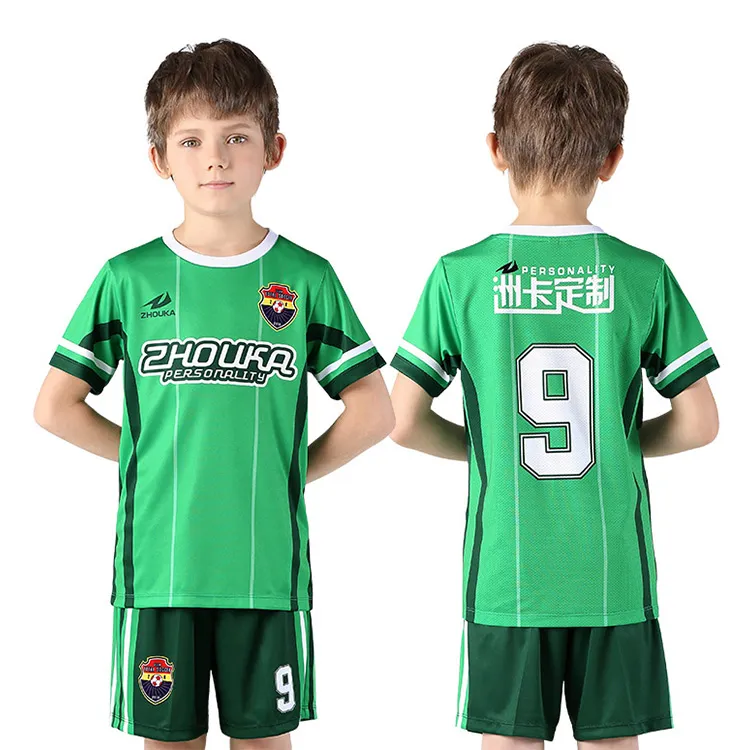
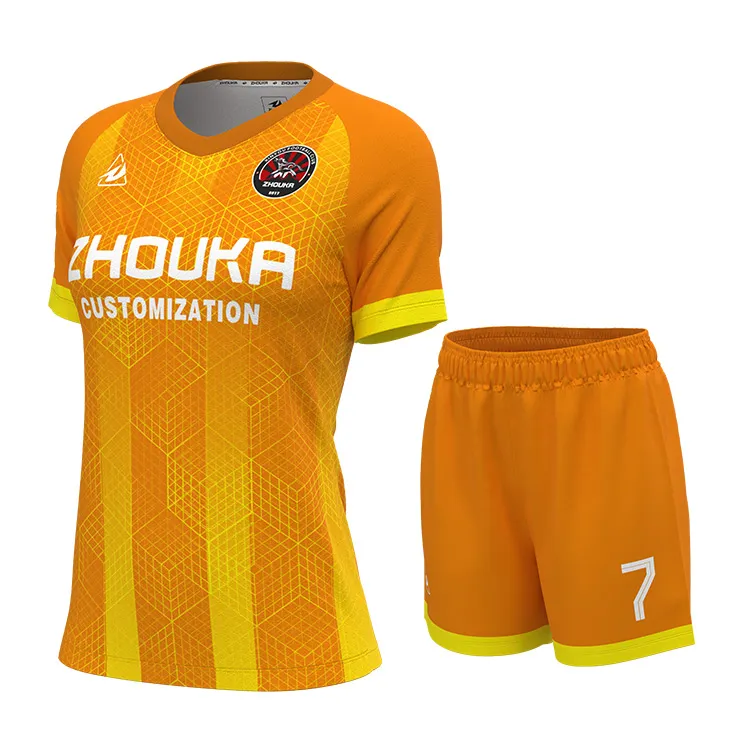
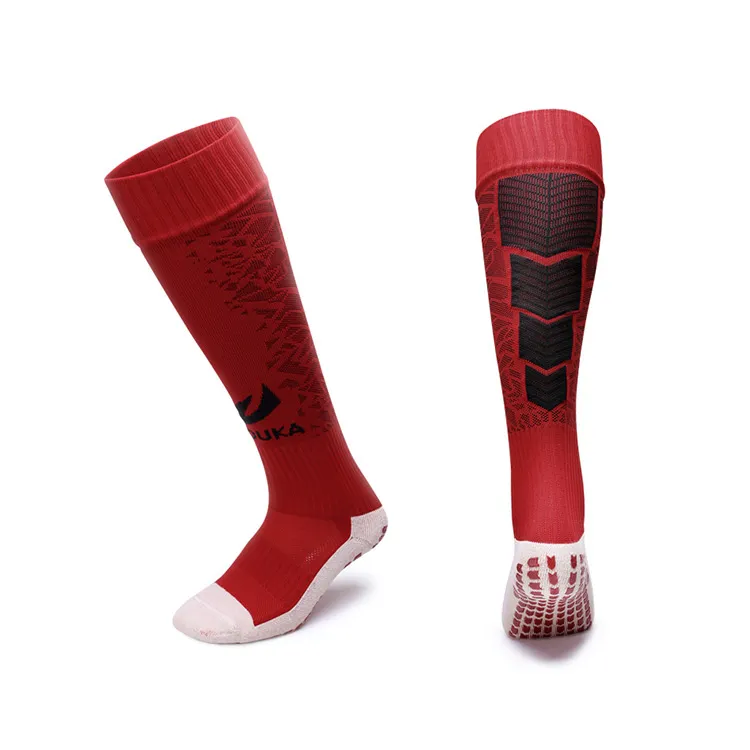
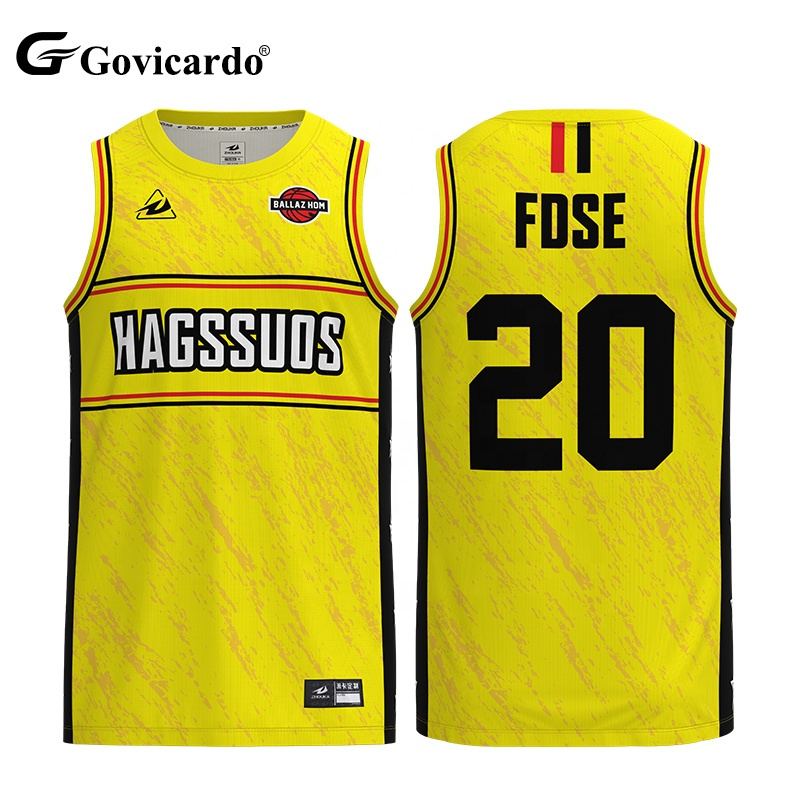
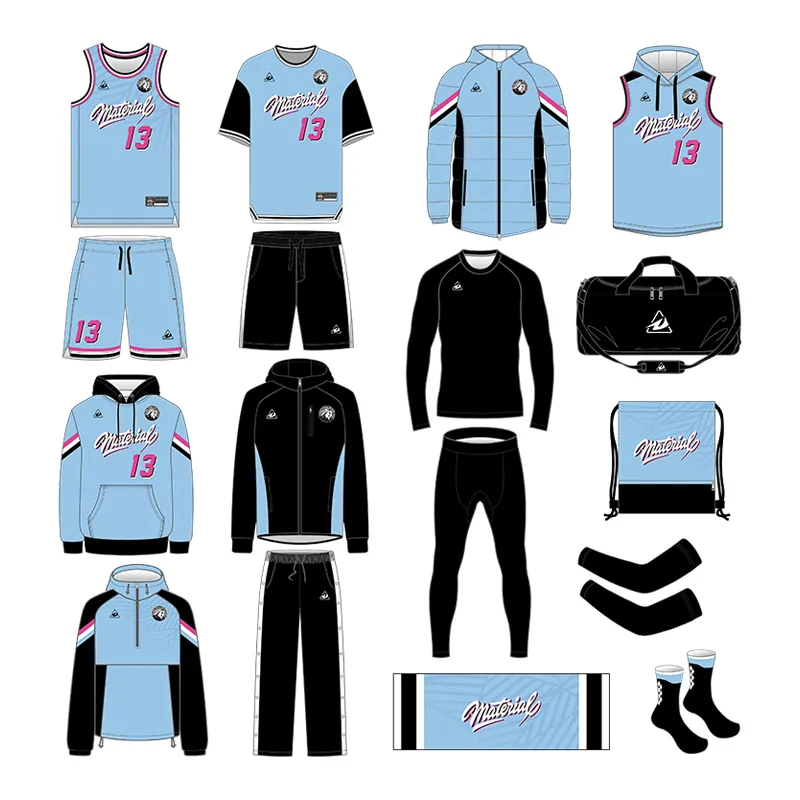
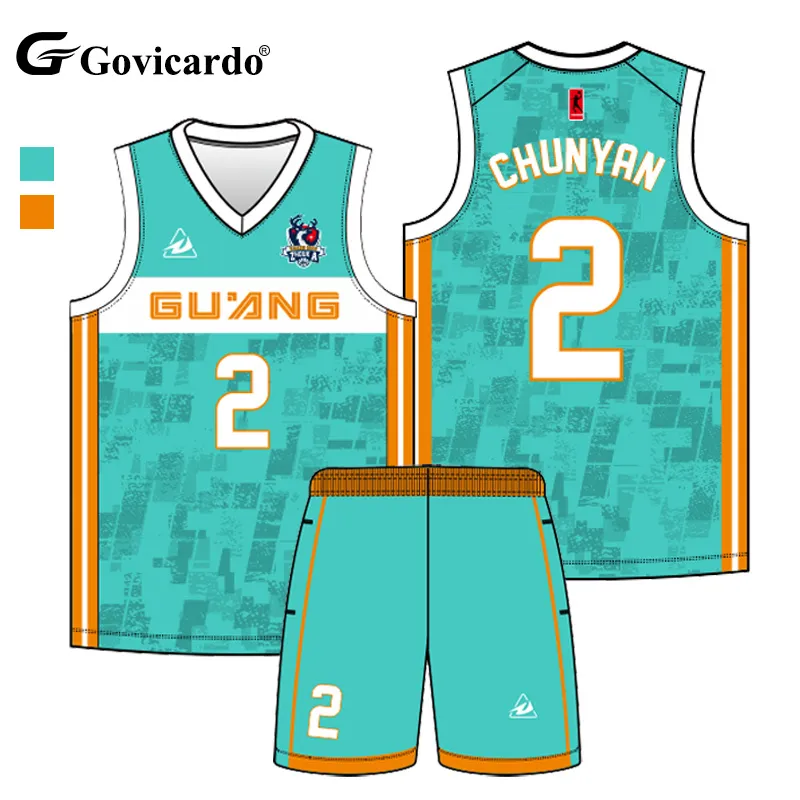
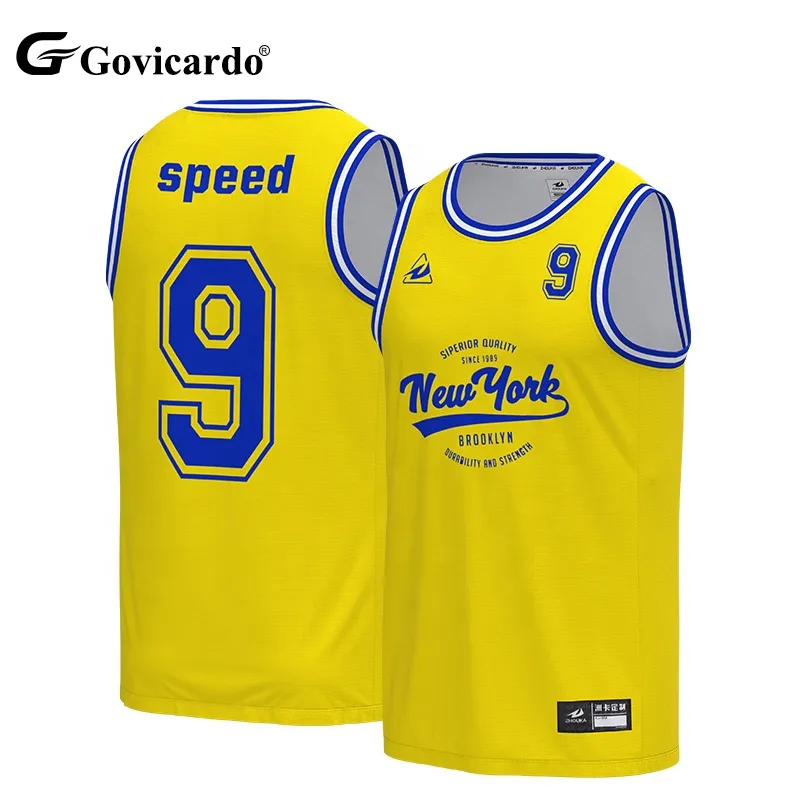
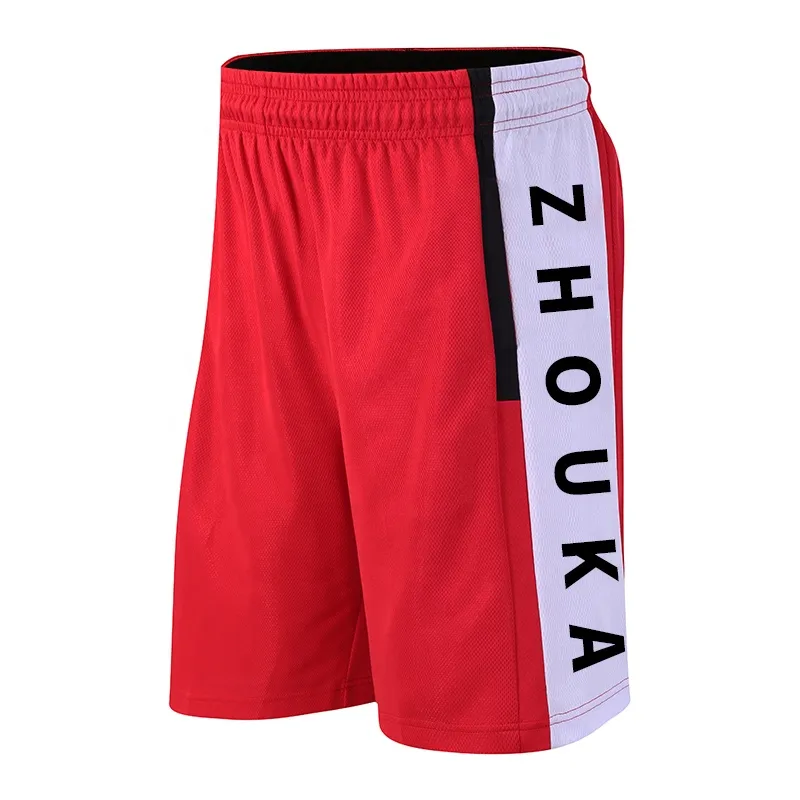
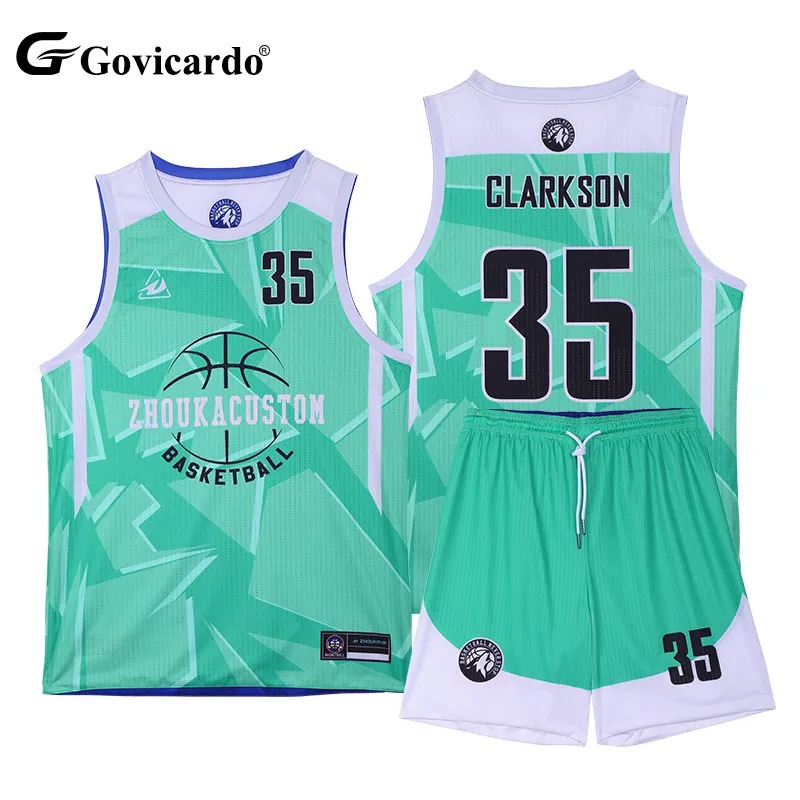
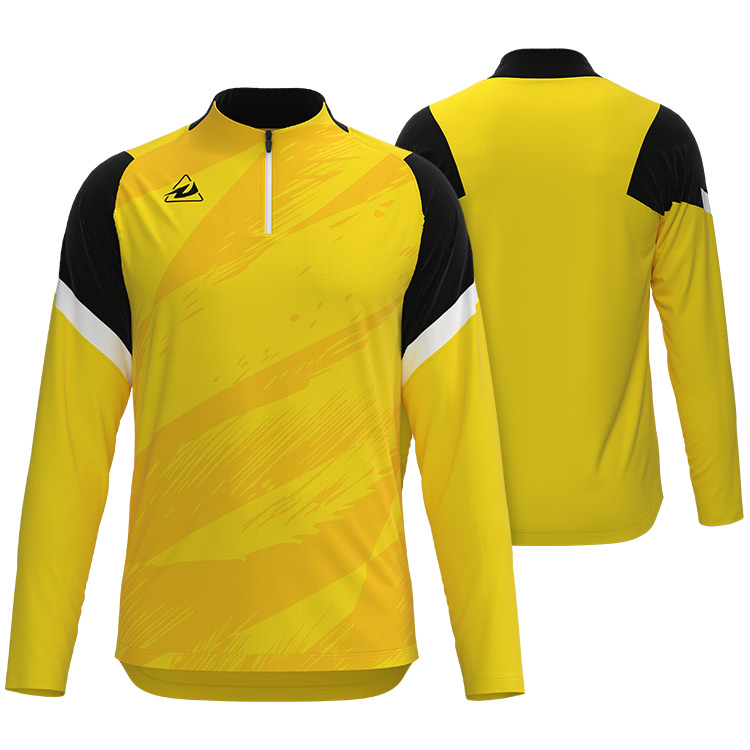
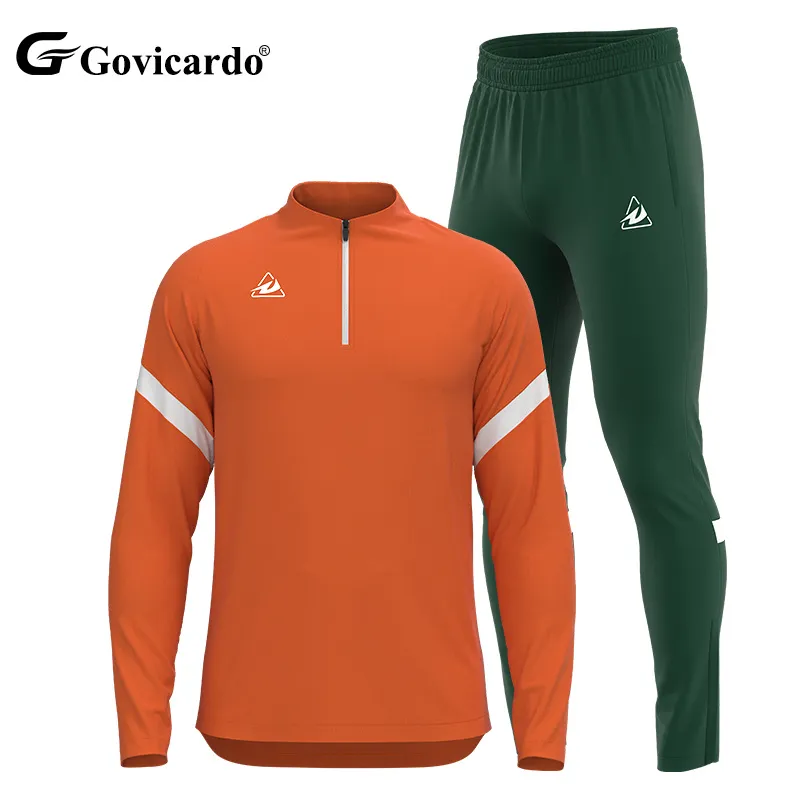
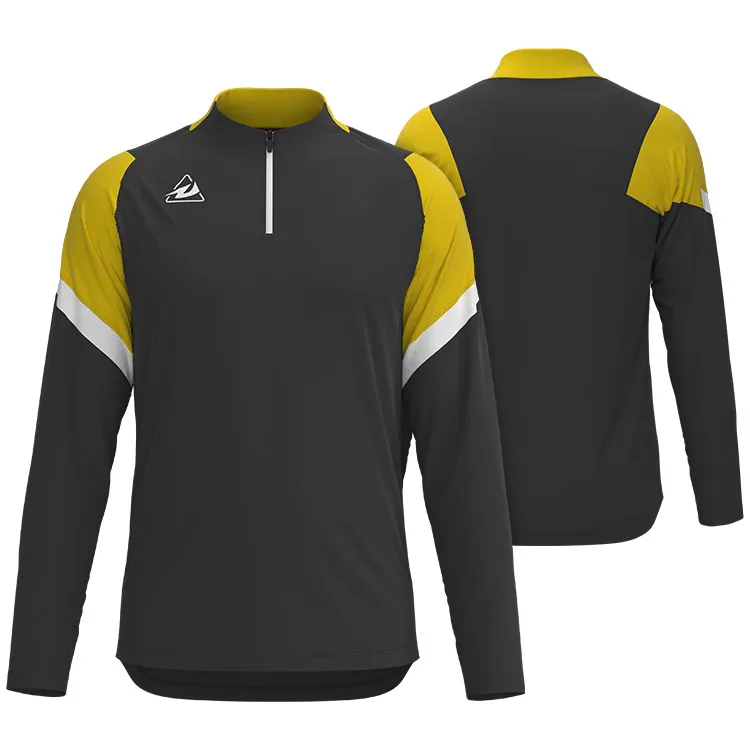
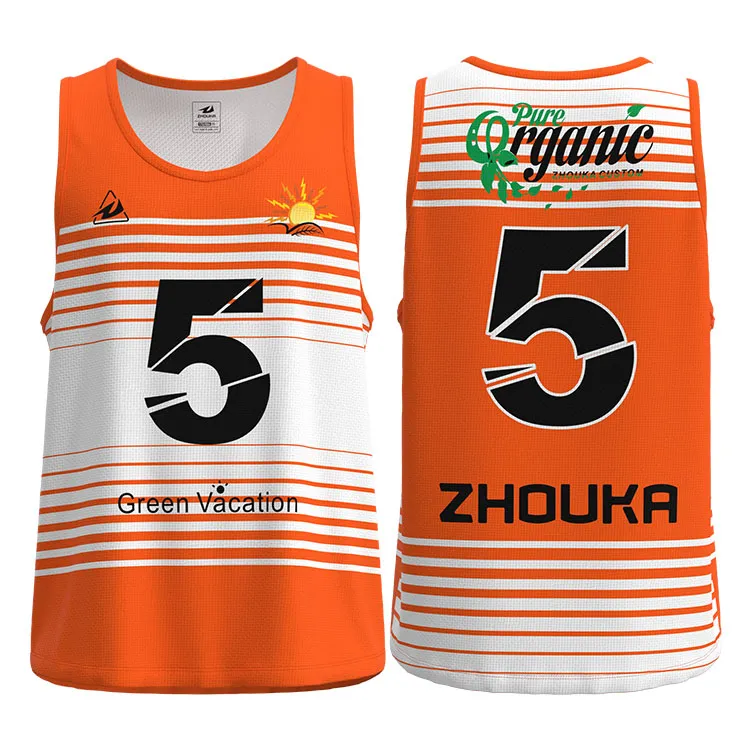
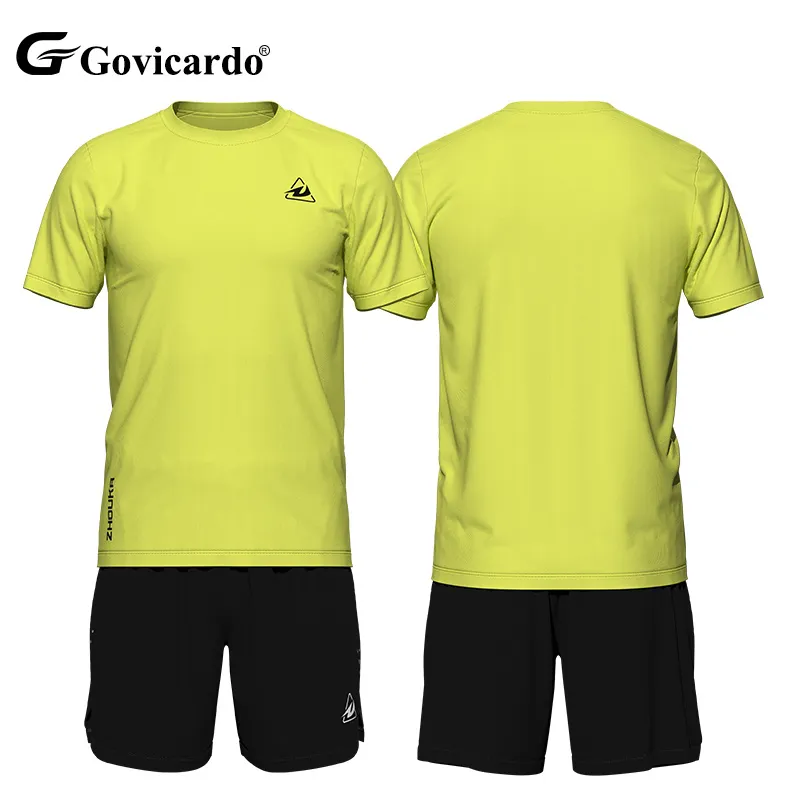
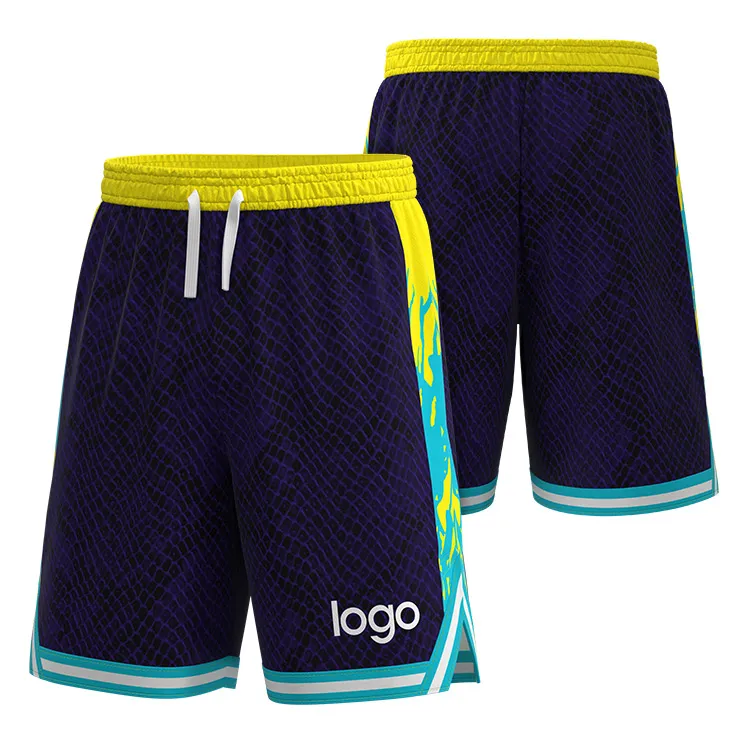
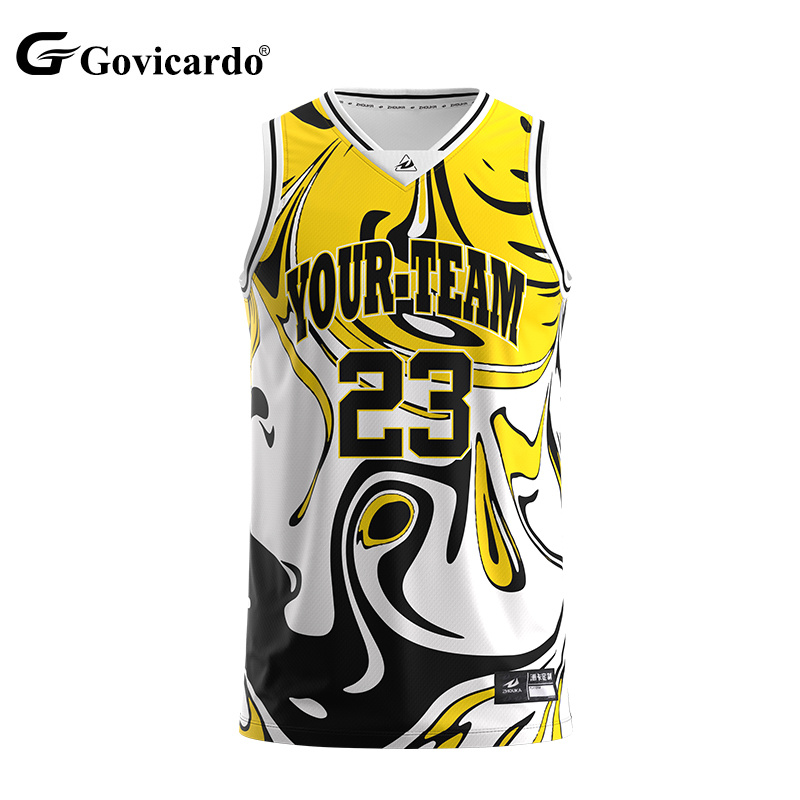
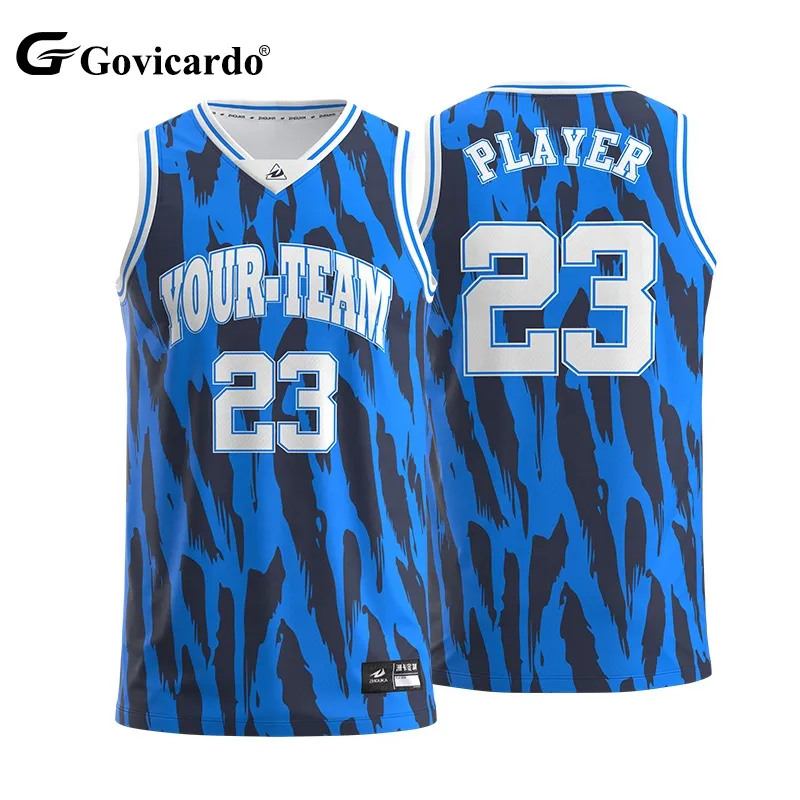
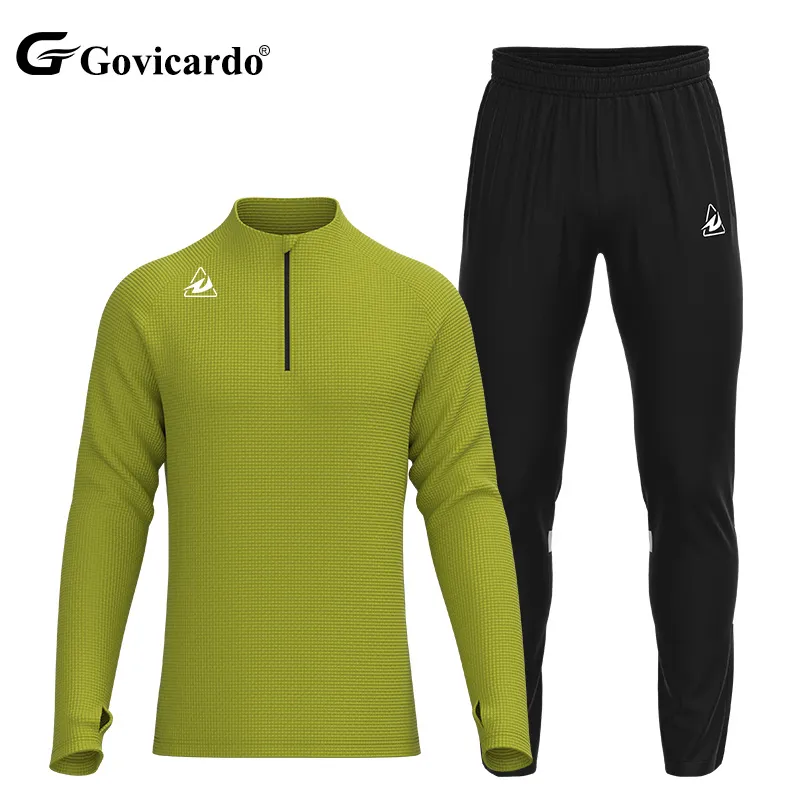
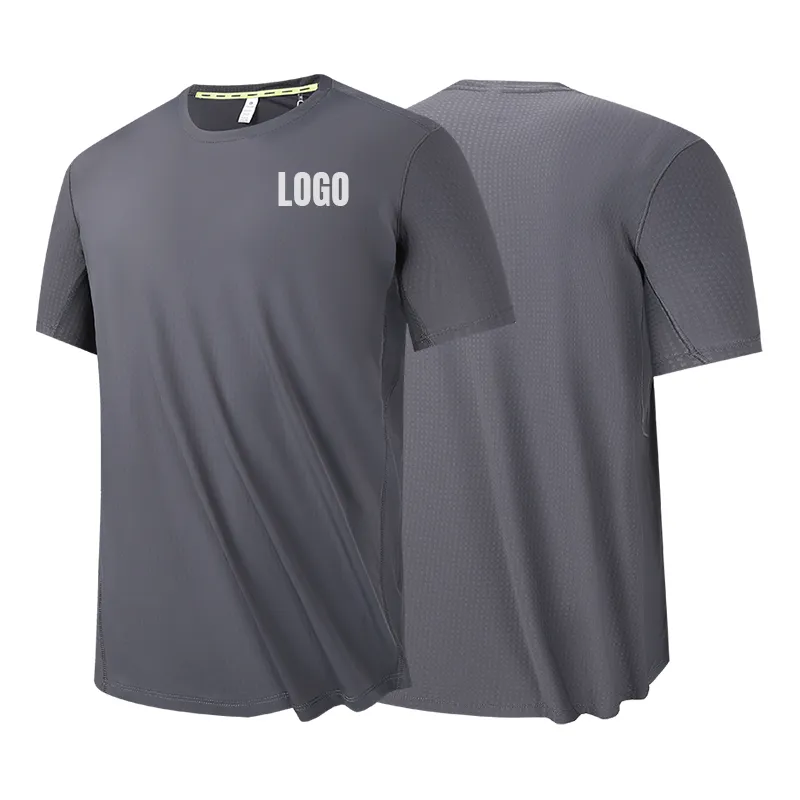
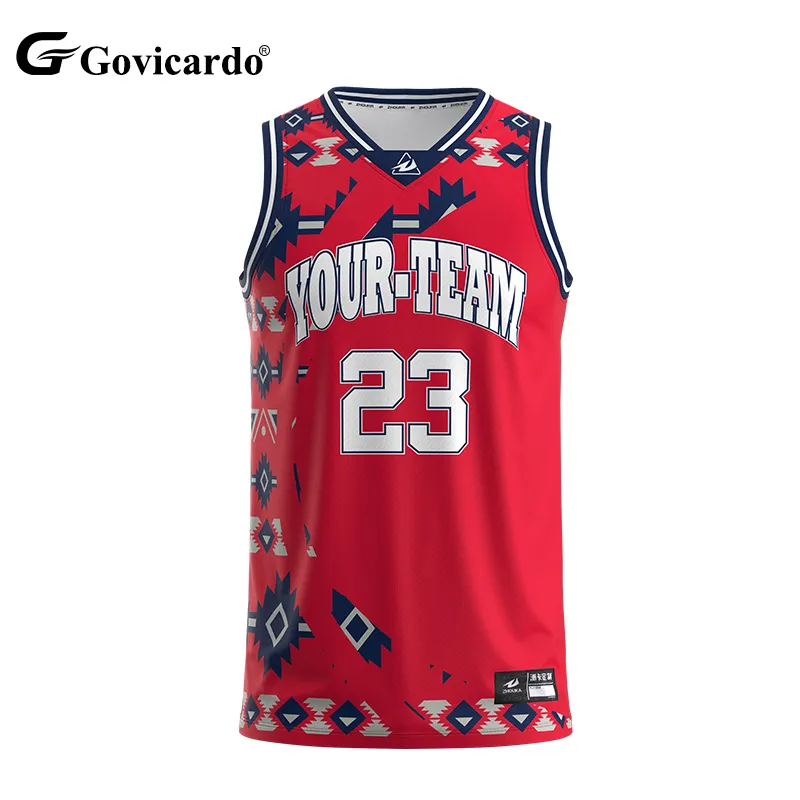
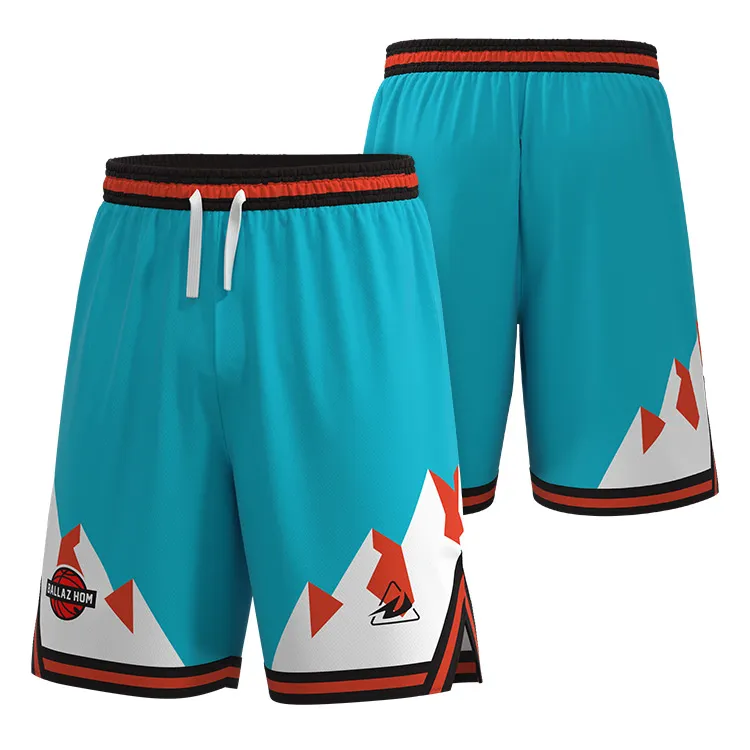
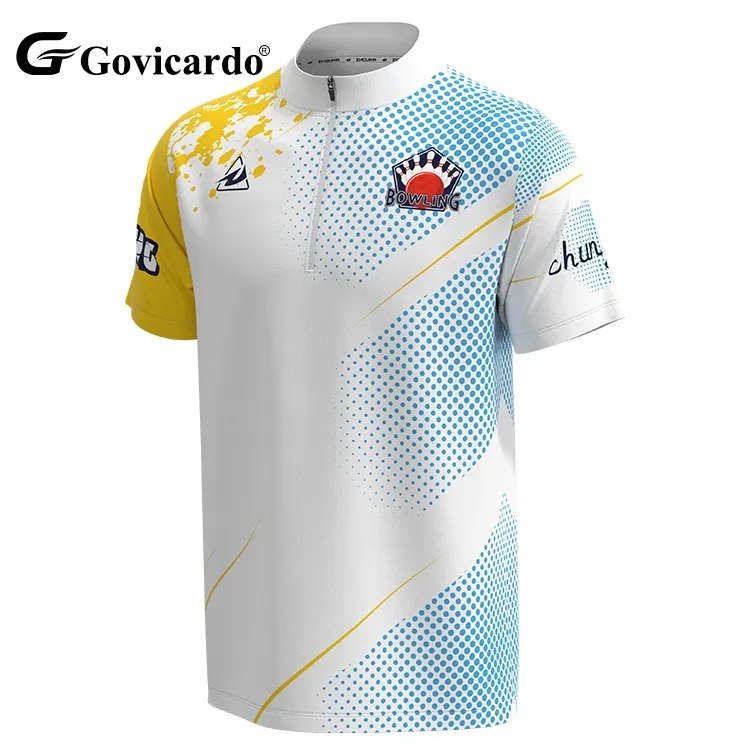
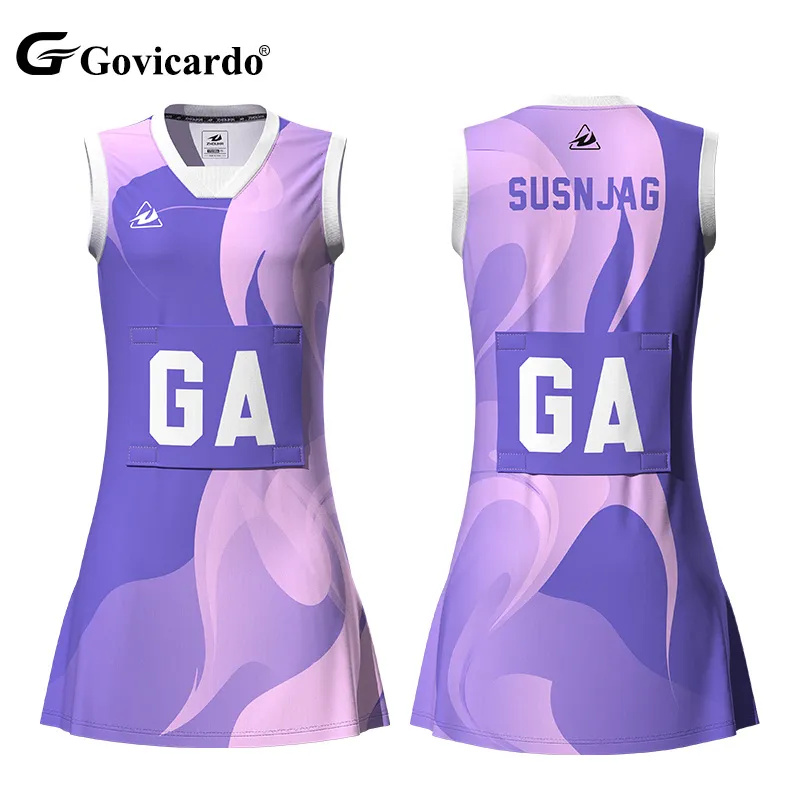
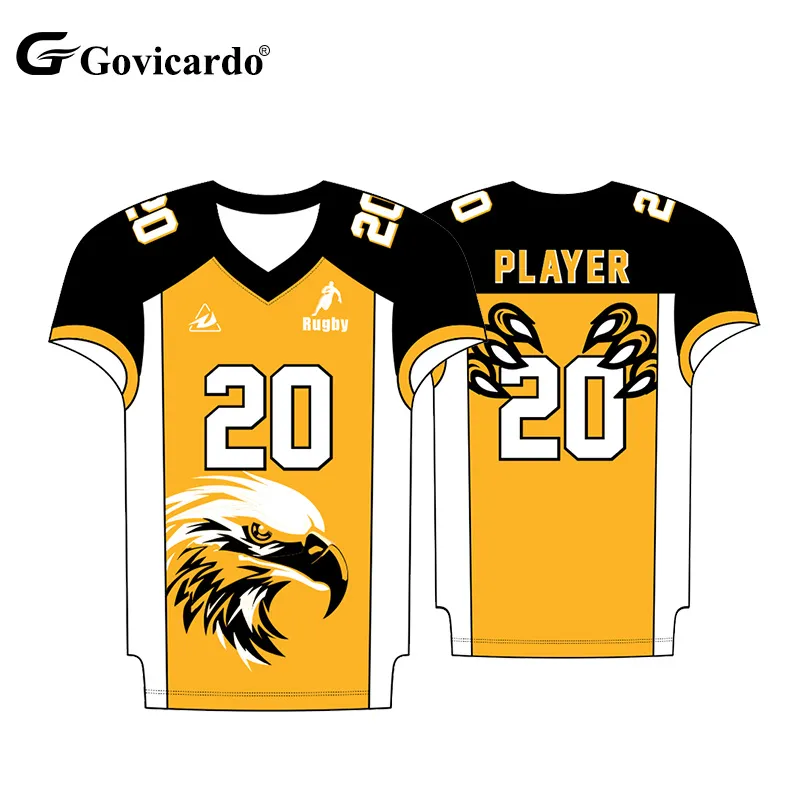
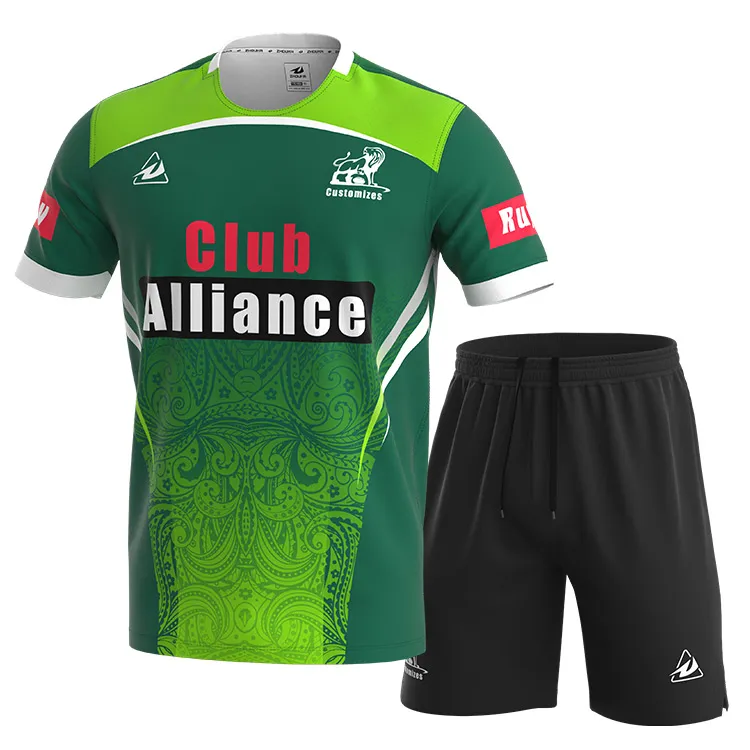
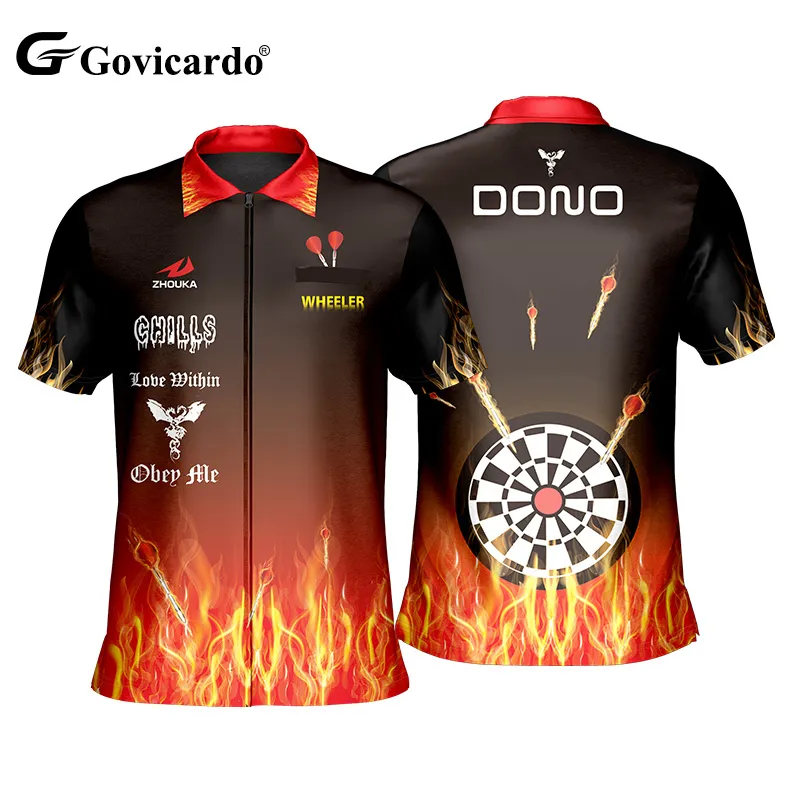
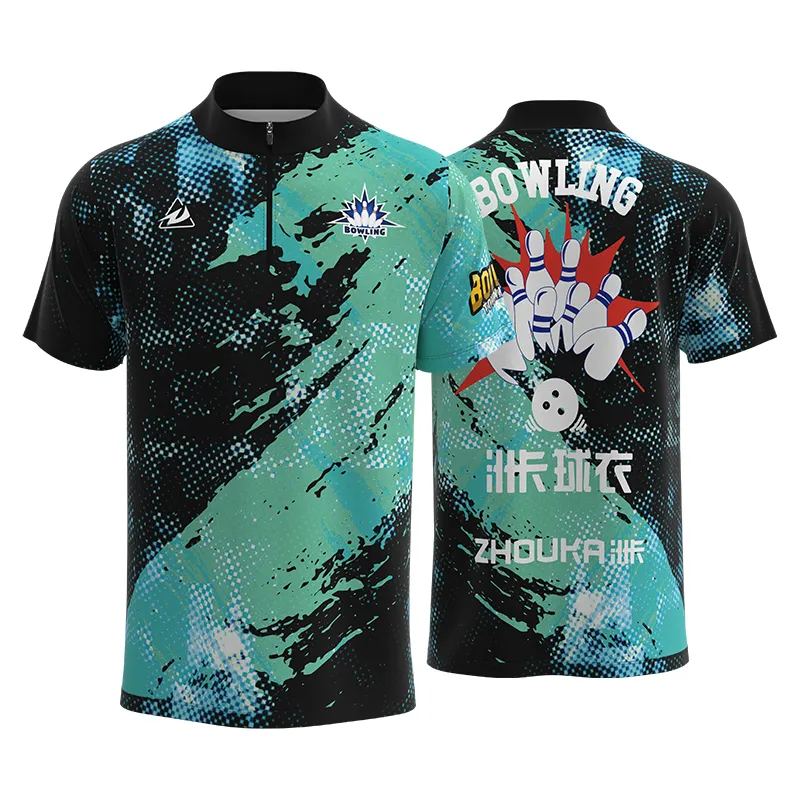
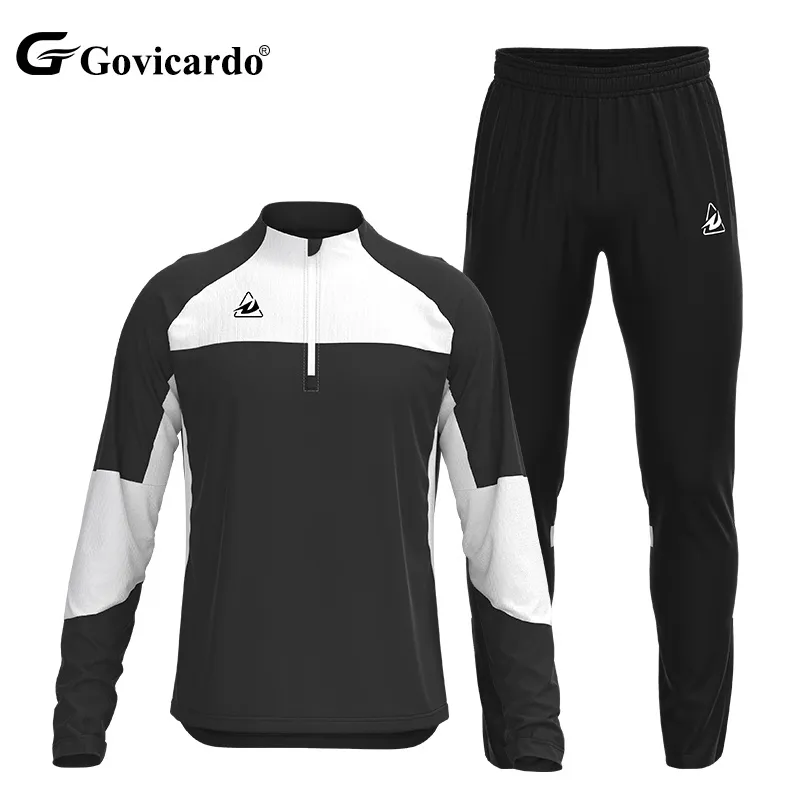
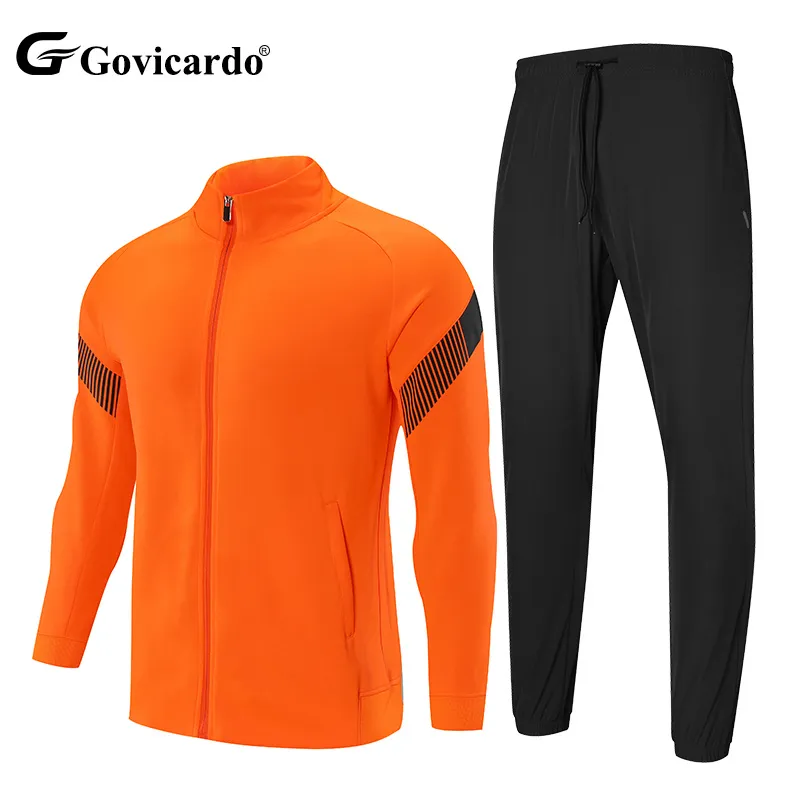
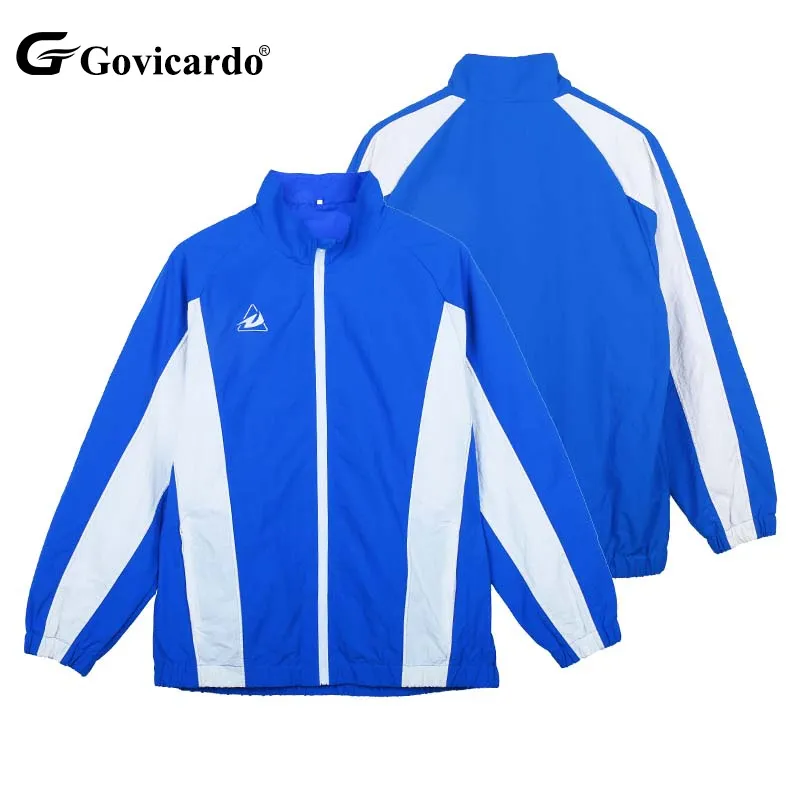
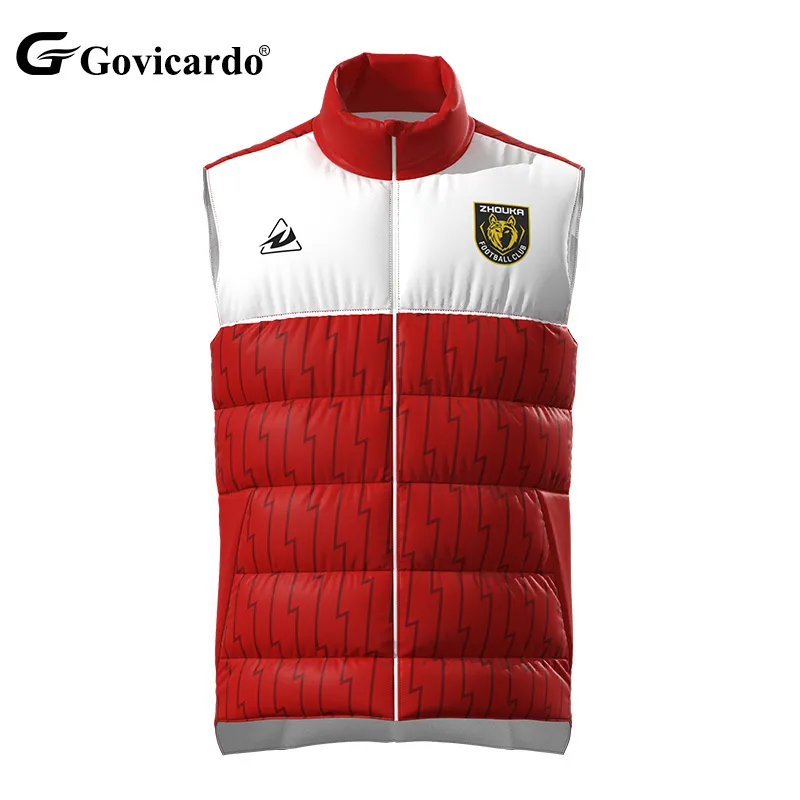
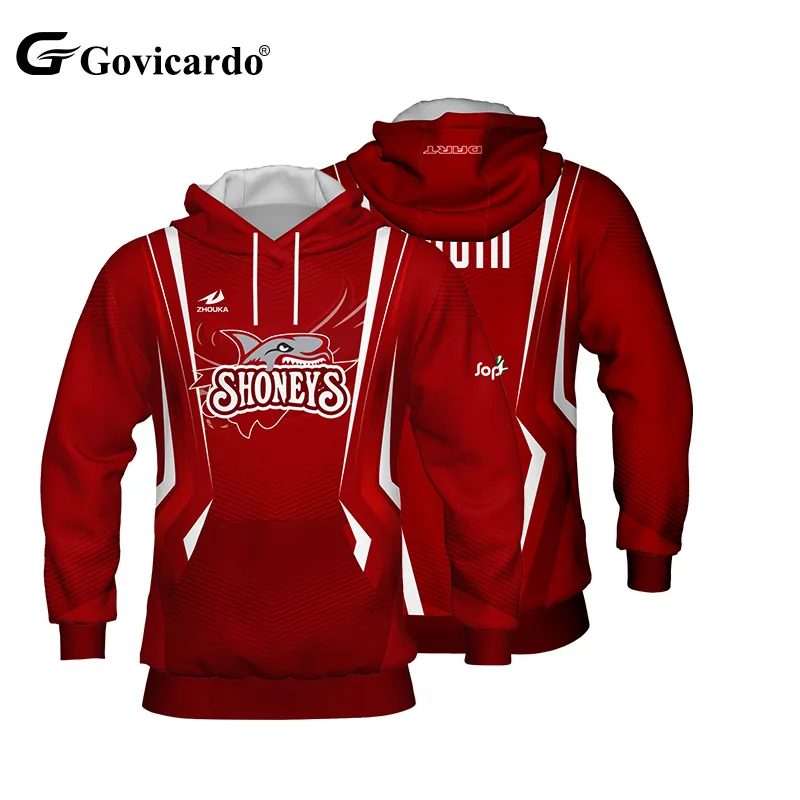
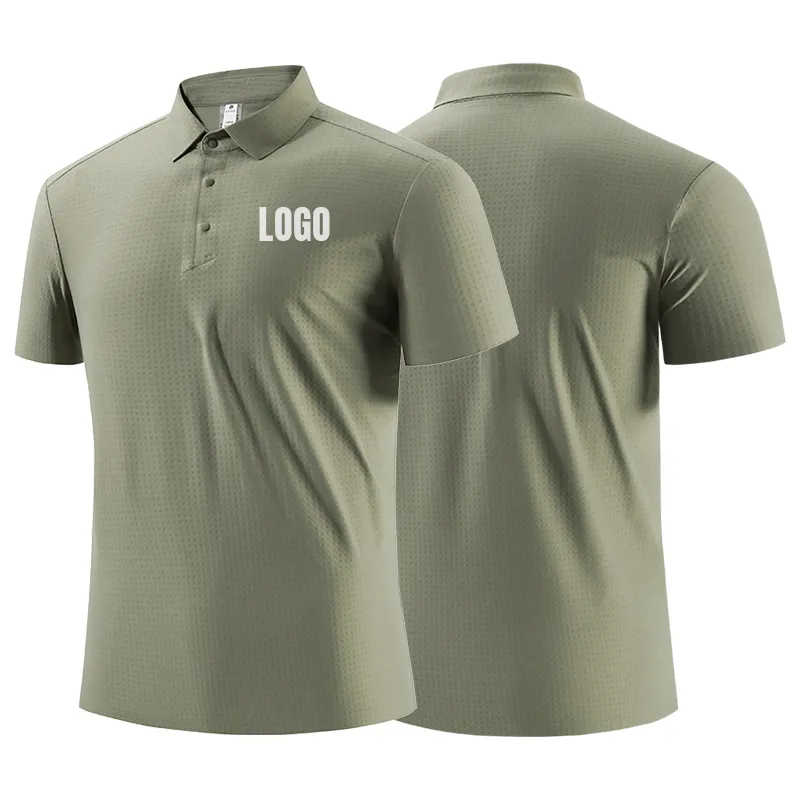
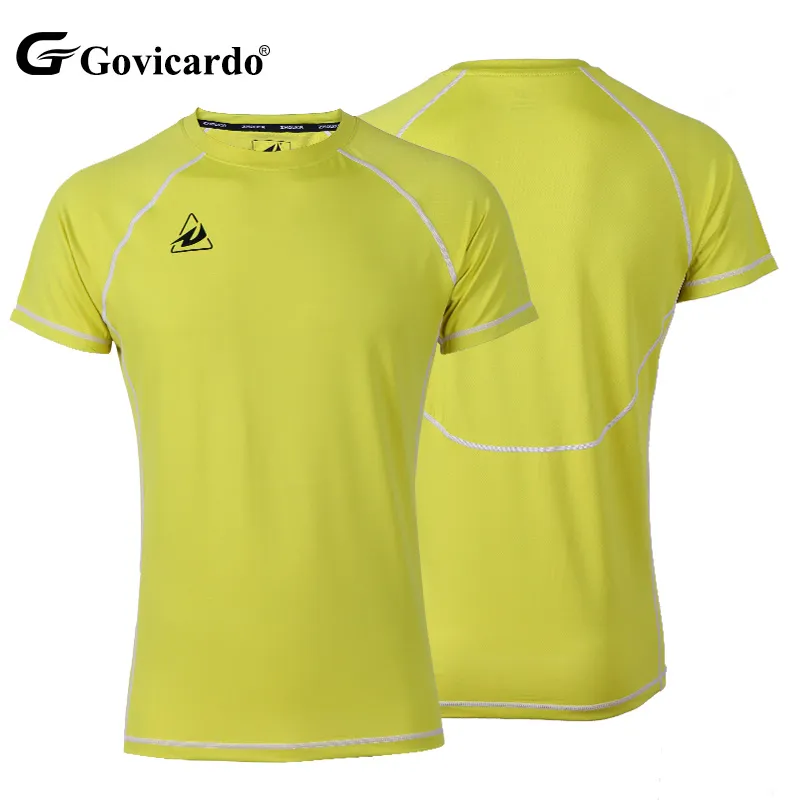
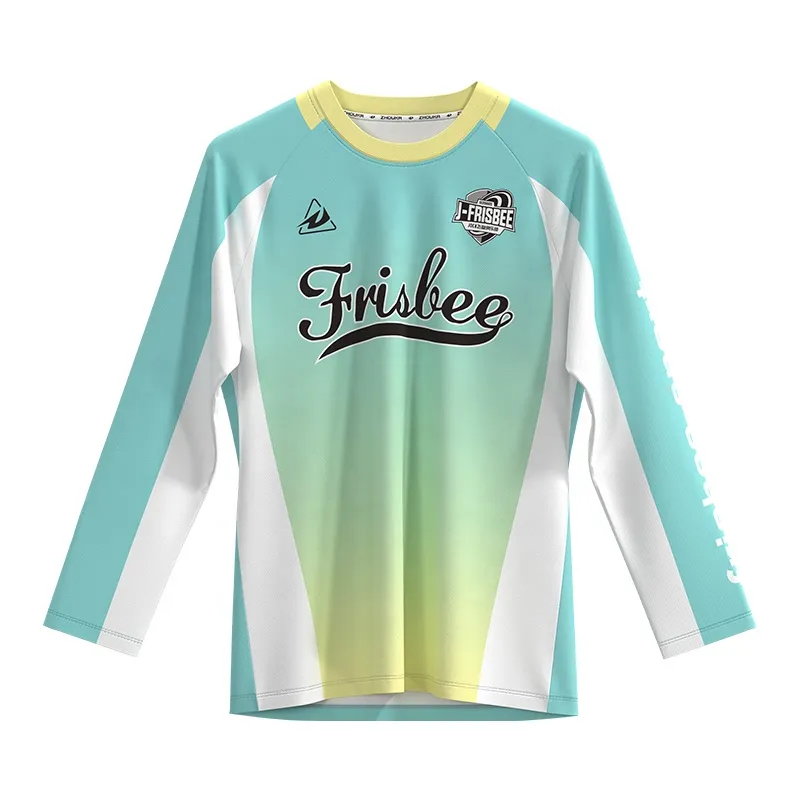
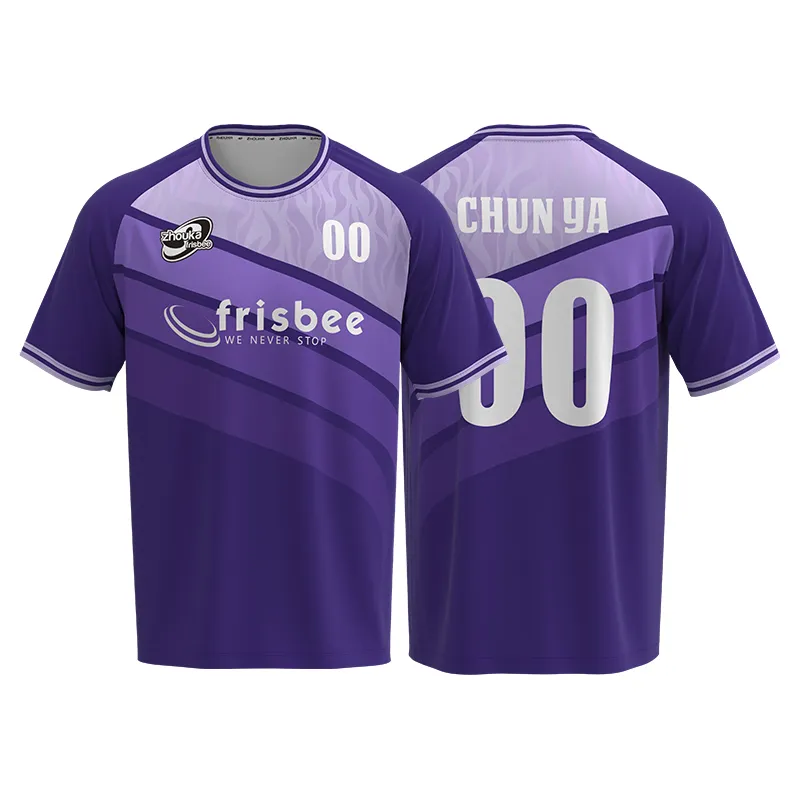
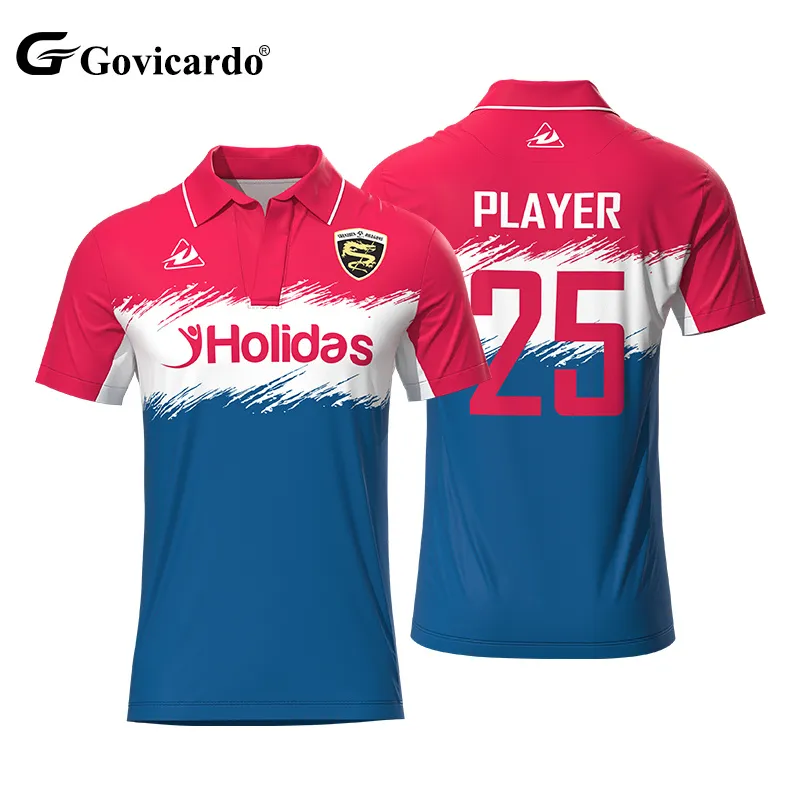
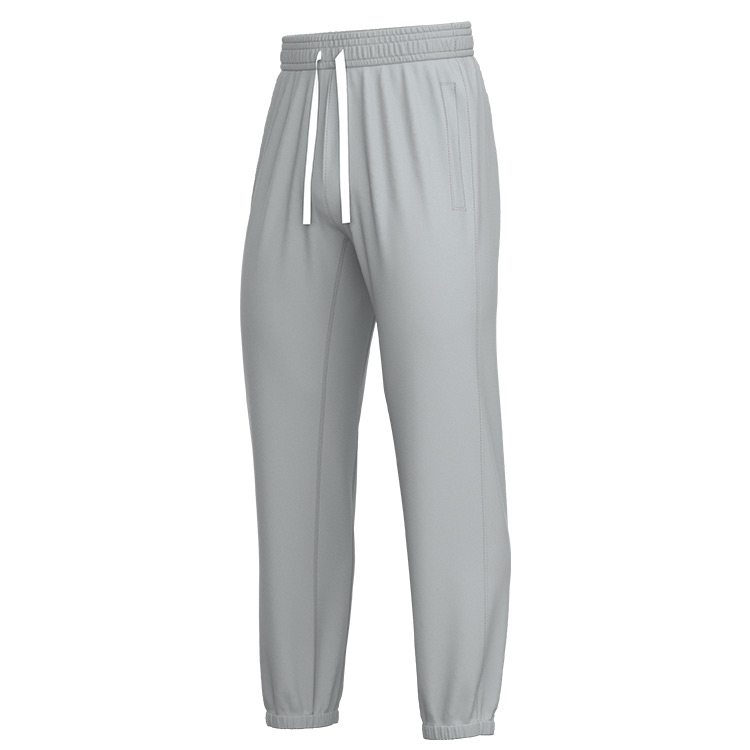
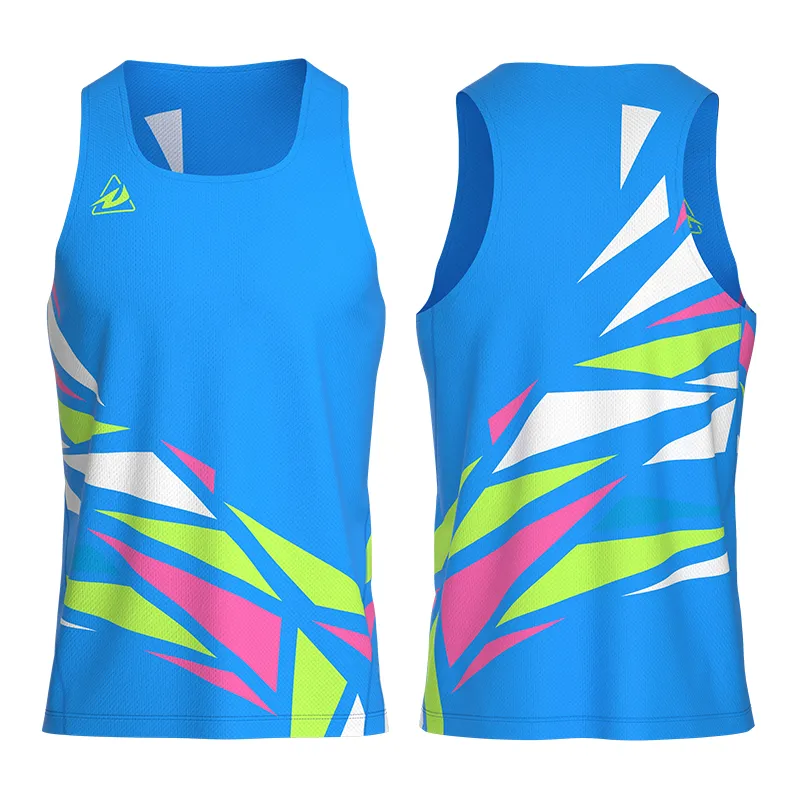
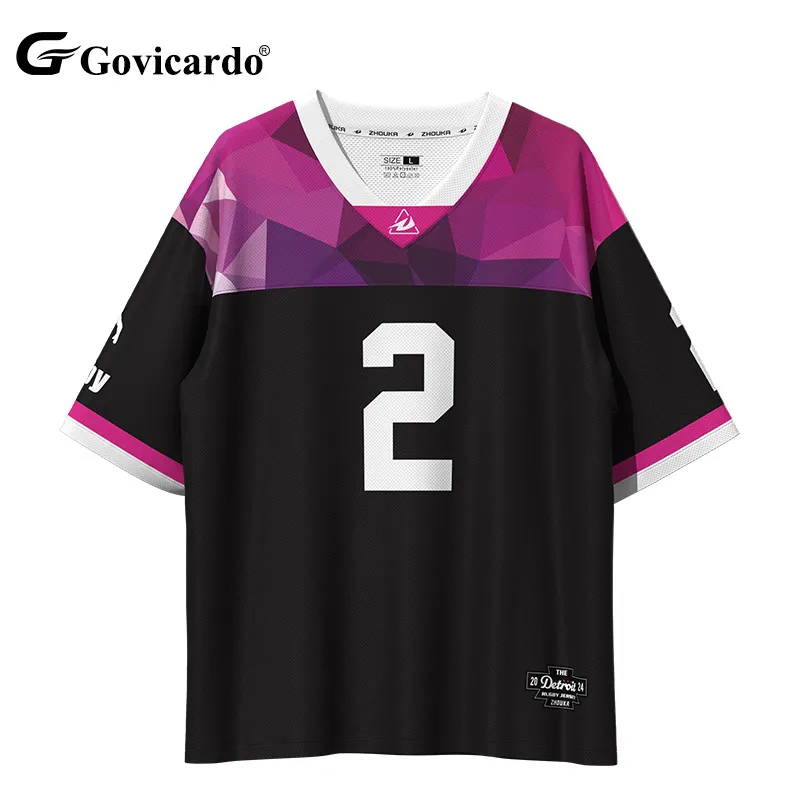
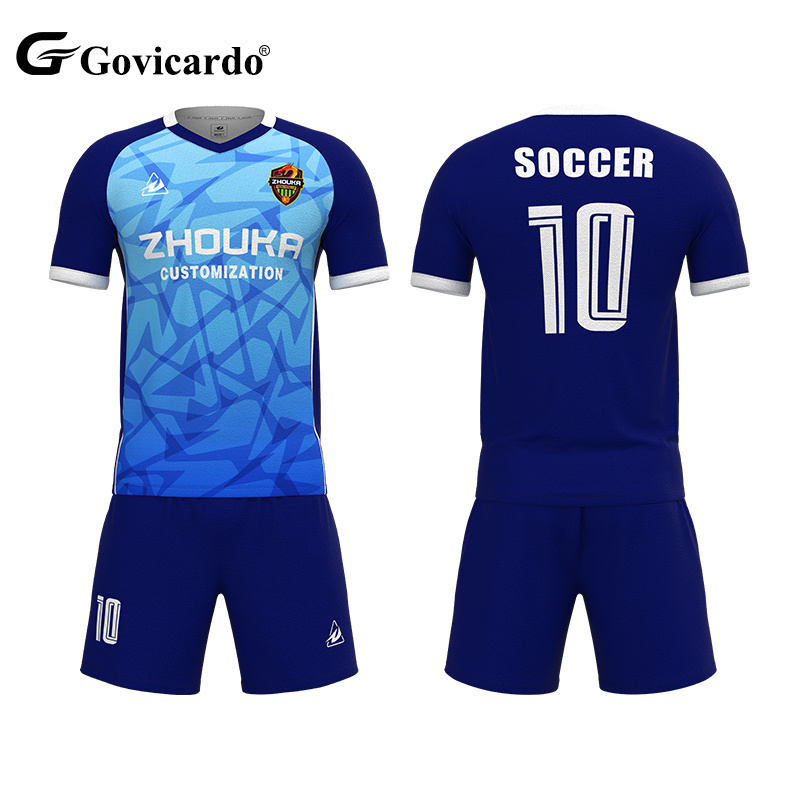


What is a school sportswear solution?
It is a coordinated purchasing and production system for the people who represent a school in competition, training and campus events. Products share an approved identity, while rosters, sizes, names, numbers, deadlines and packing instructions are organized before production.
A Year-Round School Sportswear System
A school may need soccer uniforms this month, basketball kits next term, class shirts for sports day, and referee or volunteer clothing for a campus tournament. Buying each item separately can create inconsistent colors, repeated artwork work and boxes that are difficult to distribute. A planned program gives the school one clear reference for logos, colors, size charts, name and number rules, product specifications and packaging.
The same system can serve a single team or a broader school network. Match garments keep the sport-specific fit and construction they need, while class shirts, staff polos and volunteer T-shirts use simpler interpretations of the same visual identity. New squads or event roles can be added without making the complete range look unrelated.
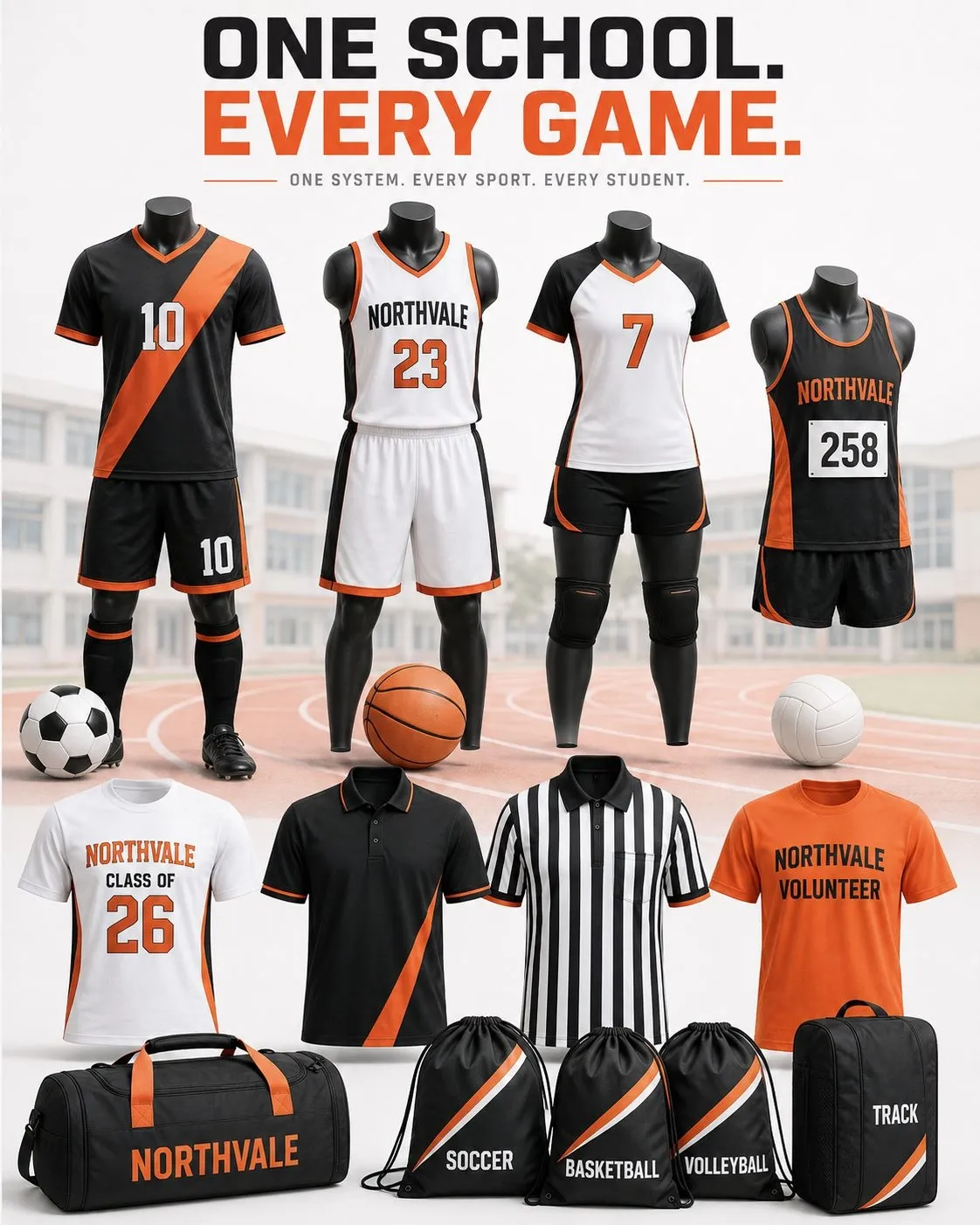
Why Schools Need More Than Marketplace Personalization
Amazon-style marketplace personalization can be useful for adding a simple name, number or logo to a selected ready-made shirt. A school program has more moving parts. It may include several sports, hundreds of size entries, different class identities, changing player rosters, officials and volunteers, a fixed event date, and a distribution plan for many recipients.
Govicardo treats these requirements as one connected project. The buyer and production team confirm the product list, artwork, fabrics, size data, personalization file, milestone schedule and packing method before bulk production. This reduces avoidable rework and gives the school a clearer way to review progress.
| Buying Need | Typical Marketplace Personalization | Govicardo School Solution |
|---|---|---|
| Product coverage | A limited ready-made style | Team, class, official and event apparel |
| Sports | Purchased listing by listing | One coordinated identity across multiple sports |
| Size collection | Individual selections | Consolidated class, team and role breakdowns |
| Names and numbers | Entered item by item | Reviewed roster and artwork files |
| Schedule | Based on listing availability | Milestones confirmed around the project brief |
| Distribution | Individual parcels or mixed cartons | Pre-sorted packing by class, team or person |
| Repeat orders | Dependent on the active listing | Project files support reviewed replenishment |
Who This Solution Supports
Coordinate several teams and campus activities under one approved identity and purchasing process.
Organize class shirts, mixed sizes and labeled packs for sports days, competitions and group activities.
Develop sport-specific match uniforms, training apparel and roster personalization.
Keep separate department names and colors within a recognizable university-wide system.
Review size lists, player numbers and event deadlines through a structured order file.
Source volunteer, organizer and participant apparel for student-led tournaments and campus events.
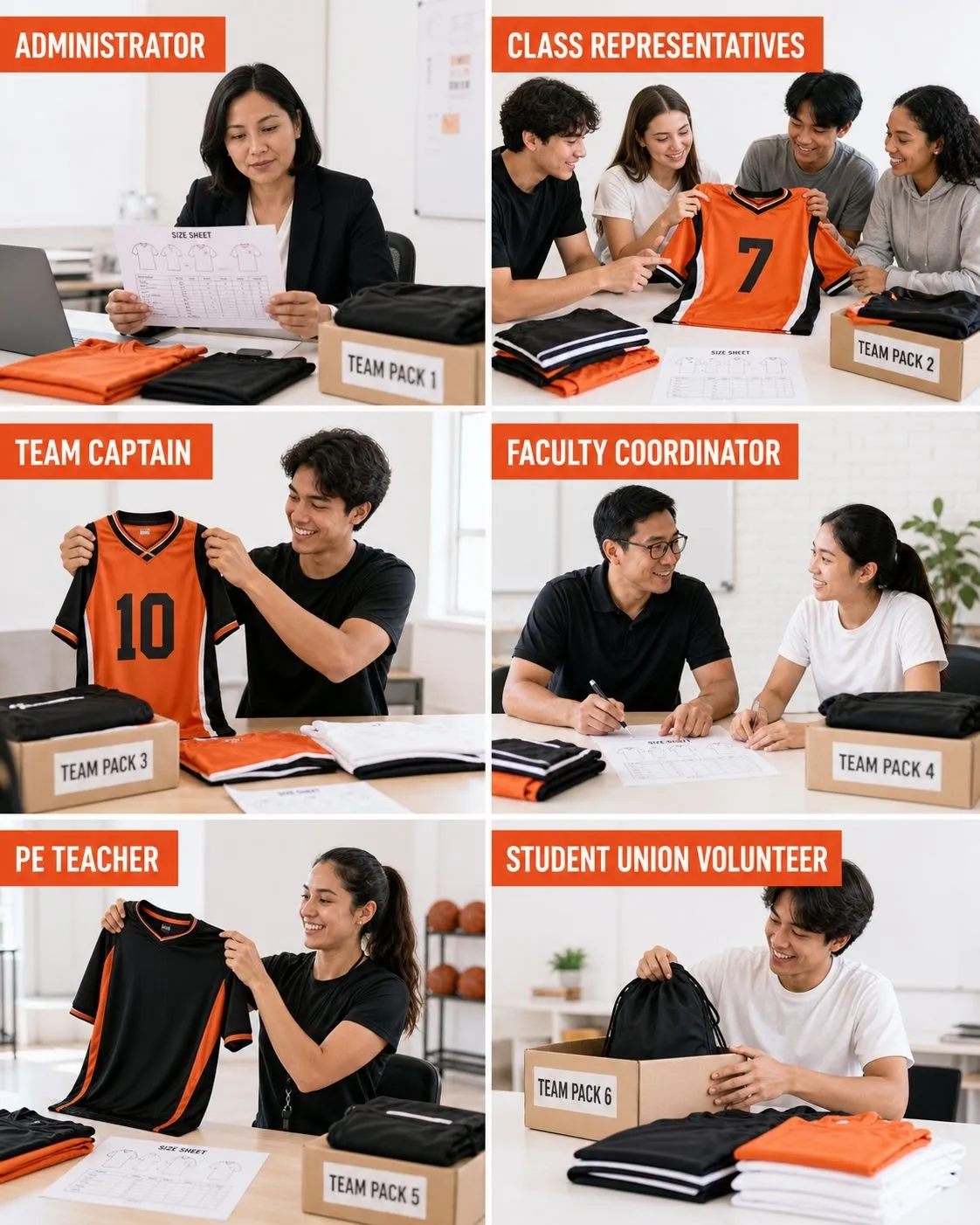
One Product Program for Every School Role
A complete range gives each group the right garment while keeping purchasing manageable. Class shirts build recognition during sports days and campus activities. Competition uniforms are developed for the movement and visual requirements of each sport. Sports day apparel can identify houses, grades or faculties through approved color and graphic variations.
Referee uniforms help officials remain clearly distinguishable, while volunteer and organizer shirts make support roles easy to find. Race bibs and number bibs connect athletes to event records. The finished order can then be packed by class, team, role or individual, subject to the confirmed packing specification.
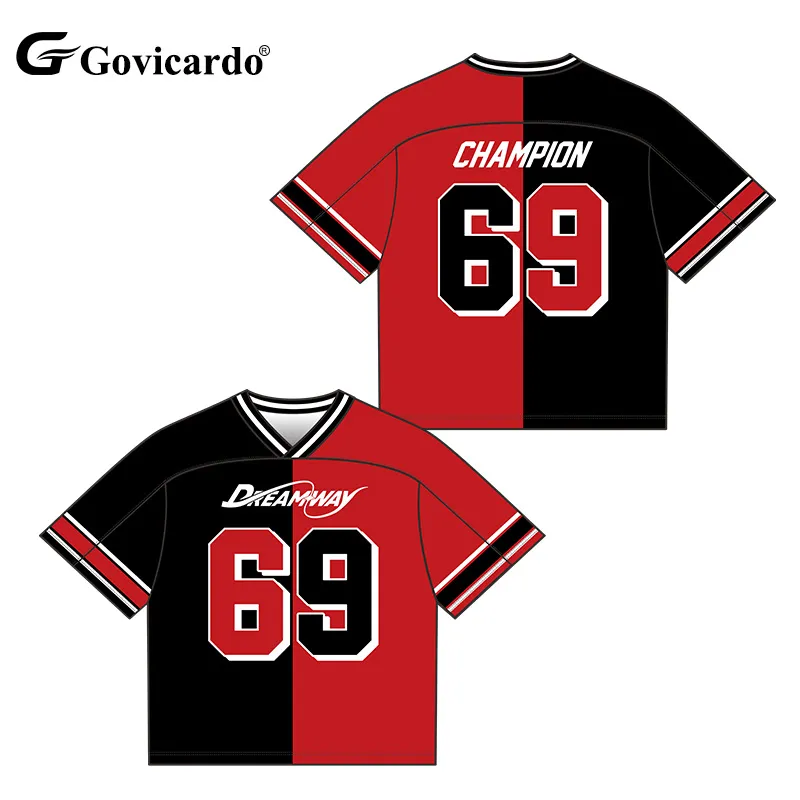
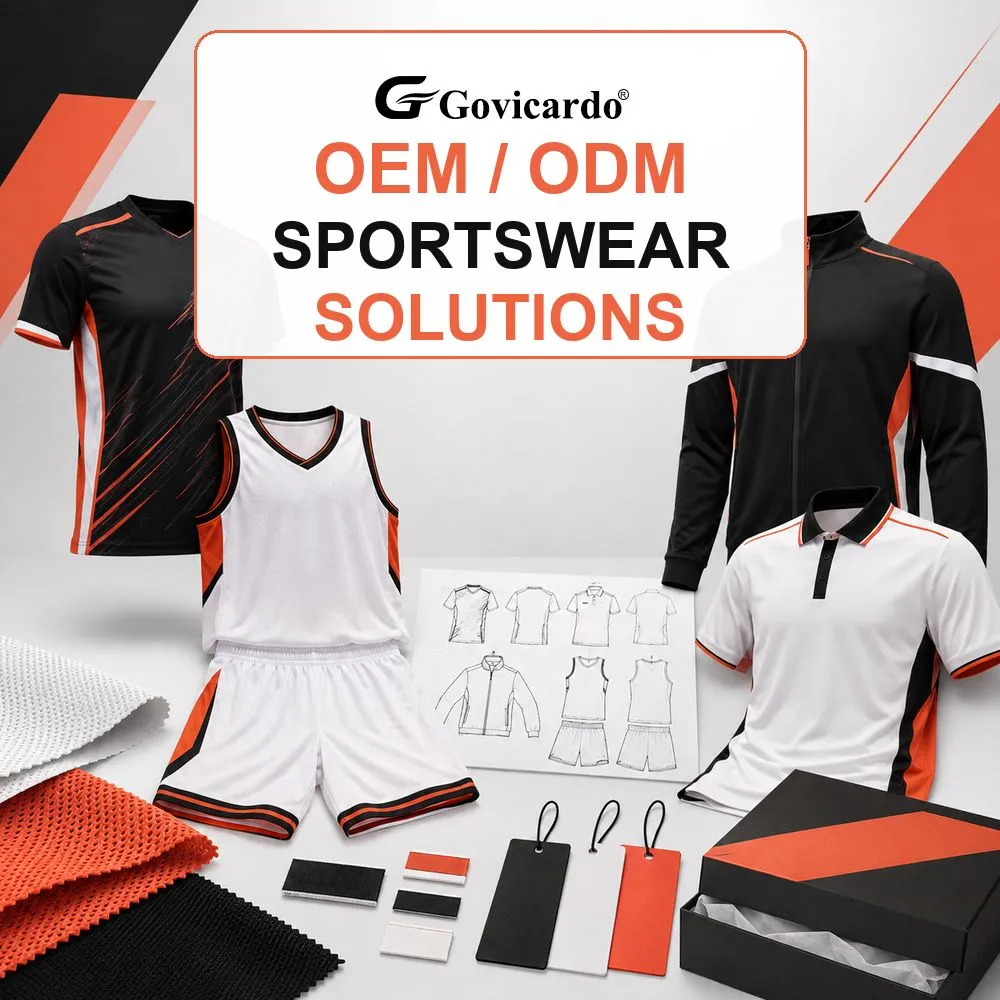
Customization can include school or team logos, colors, original patterns, names, numbers, fabrics, size charts, neck labels, hang tags and packaging. Depending on the selected garment and material, available decoration may include sublimation, digital printing, embroidery and heat transfer. The suitable method is confirmed during product development rather than applied identically to every item.
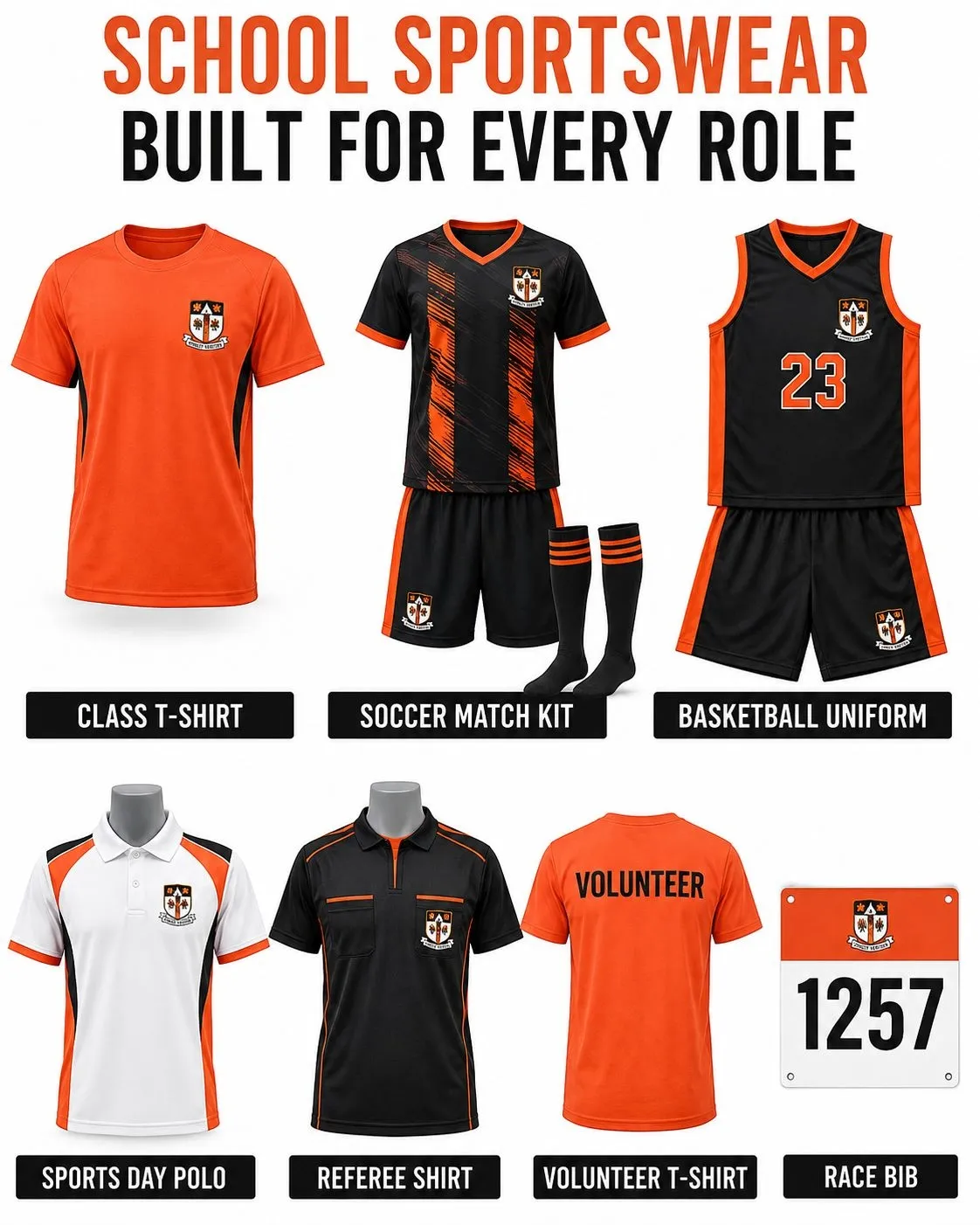
One Identity Across Different School Sports
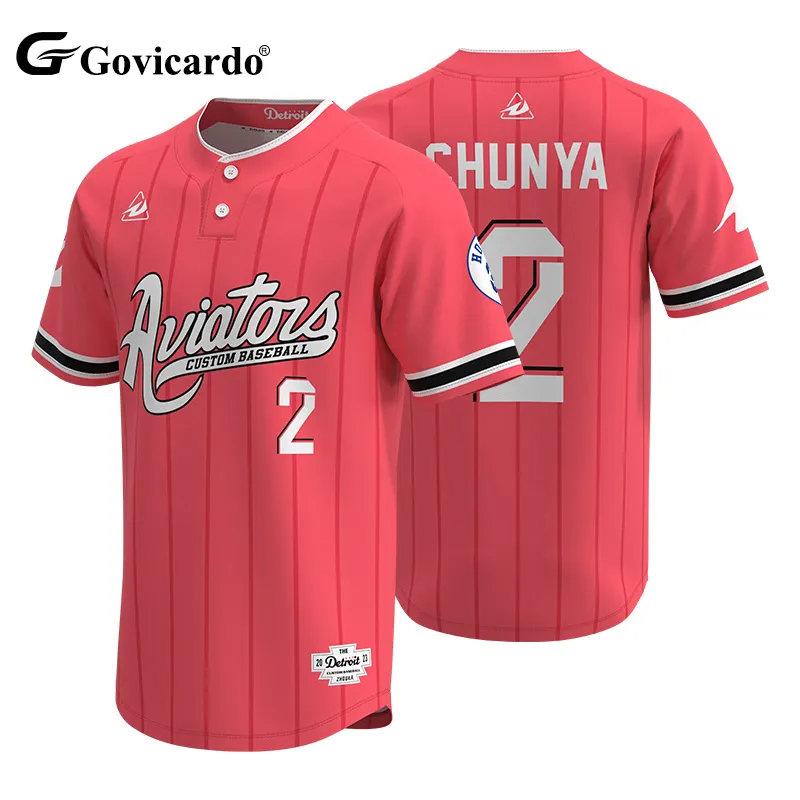
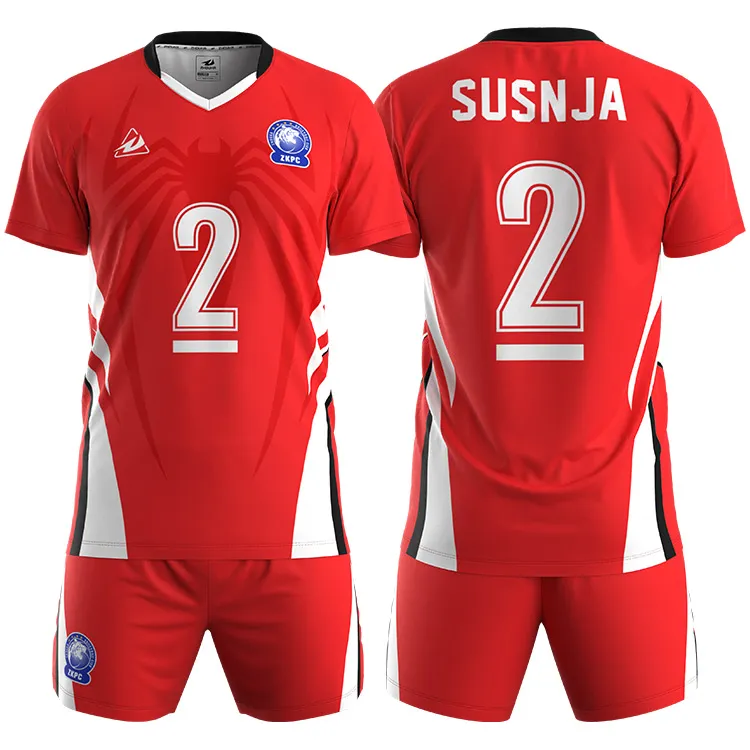
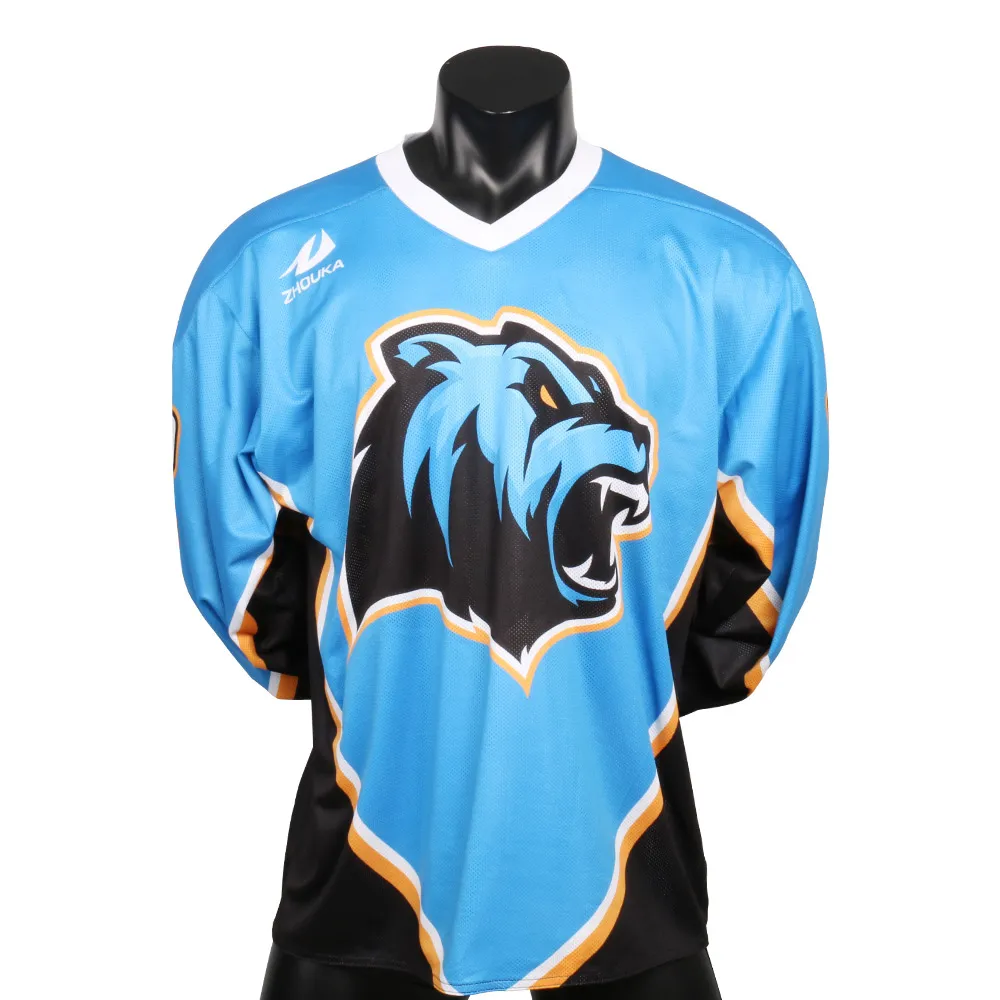
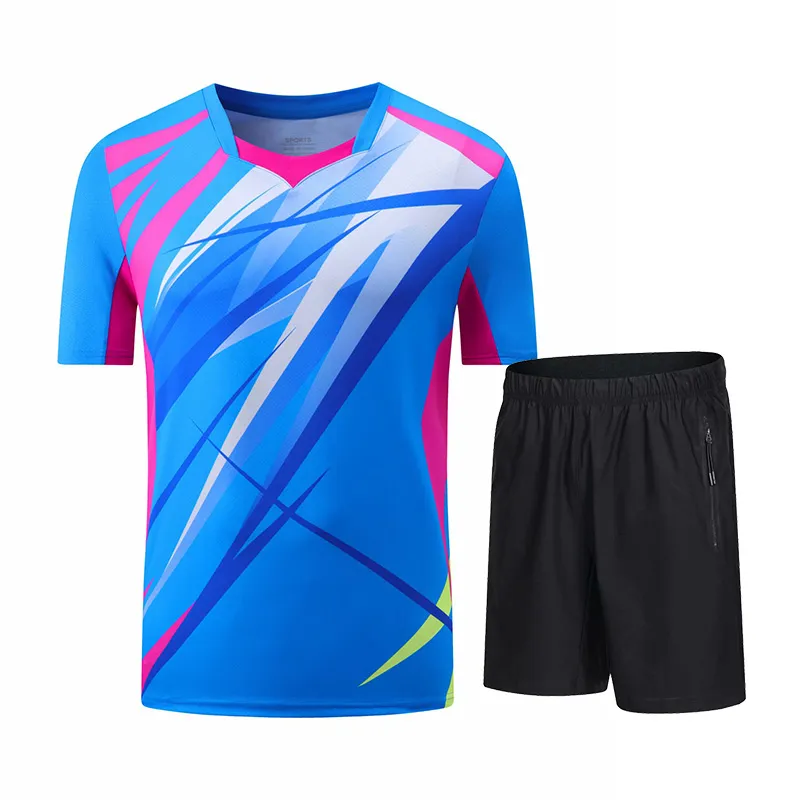
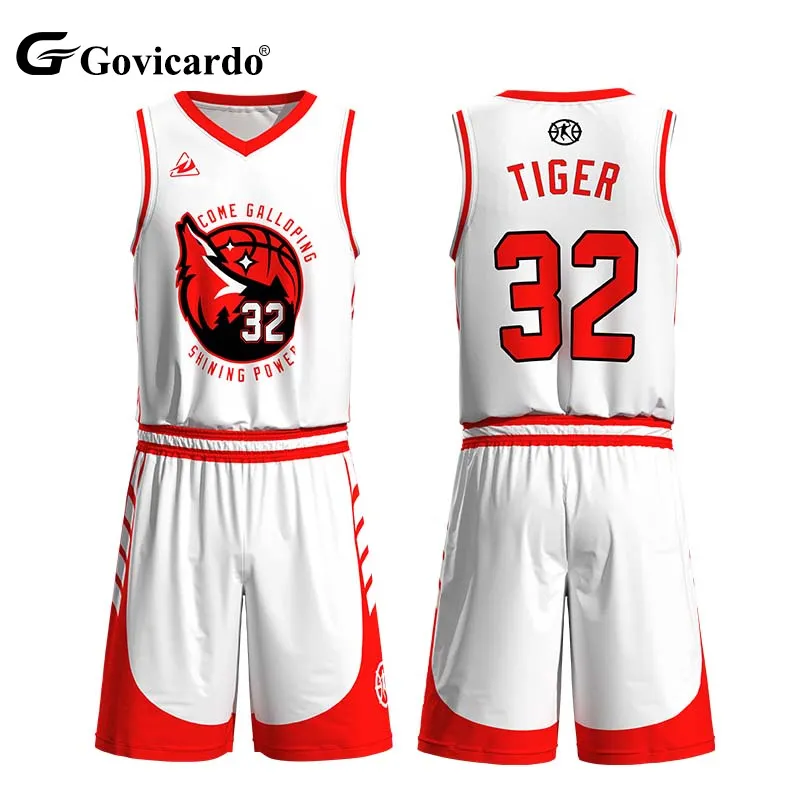
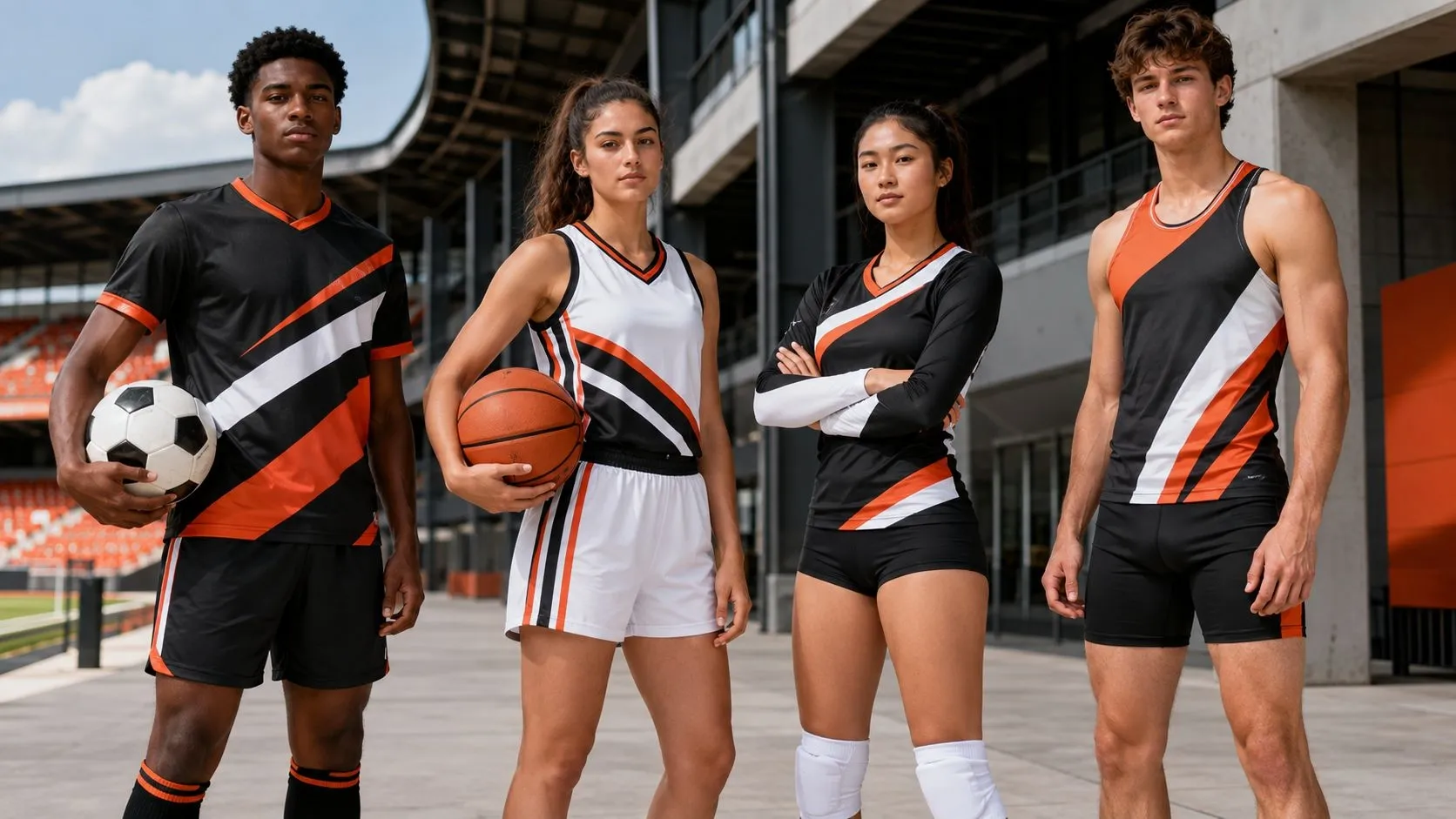
A shared school identity does not mean using the same garment for every activity. Soccer kits need coordinated shirts, shorts and goalkeeper options. Basketball uniforms require sport-specific sleeveless tops and shorts. Volleyball may need a clearly contrasting libero jersey. Track and field programs use lightweight singlets, shorts and readable bib numbers. Rugby, American football, baseball, hockey, cricket, badminton and other school sports each keep their own practical product requirements.
The consistent elements can be the school colors, crest position, typography, numbering style and approved graphic language. Fit, fabric and construction then change for the sport, age group and intended use. This approach allows a school to look unified at a campus ceremony while giving athletes appropriate uniforms on the field or court.
Five Controls That Keep a School Order Organized
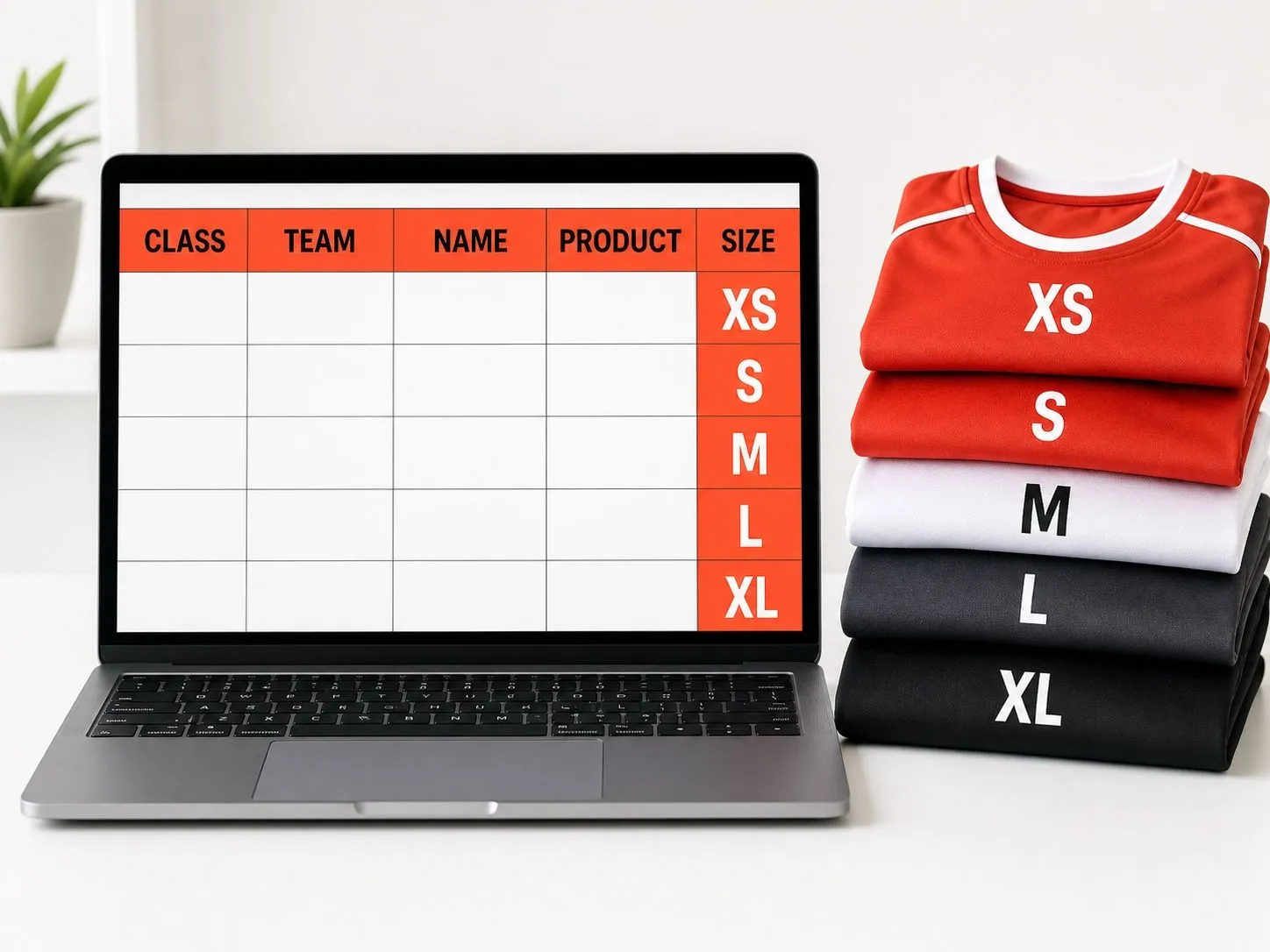
1. Clear Size Collection
A working size sheet connects each class, team or role to the required garment, fit and size. Separate totals and recipient-level details make it easier to identify blanks, duplicates and unusual entries before the order is approved. The school confirms the final data used for production.
2. Class and Team Order Separation
The master order records which products belong to each class, squad, faculty or event role. Production totals can be reviewed as a whole while the distribution groups remain separate. This is especially useful when several teams share a common design but require different names, numbers or secondary colors.
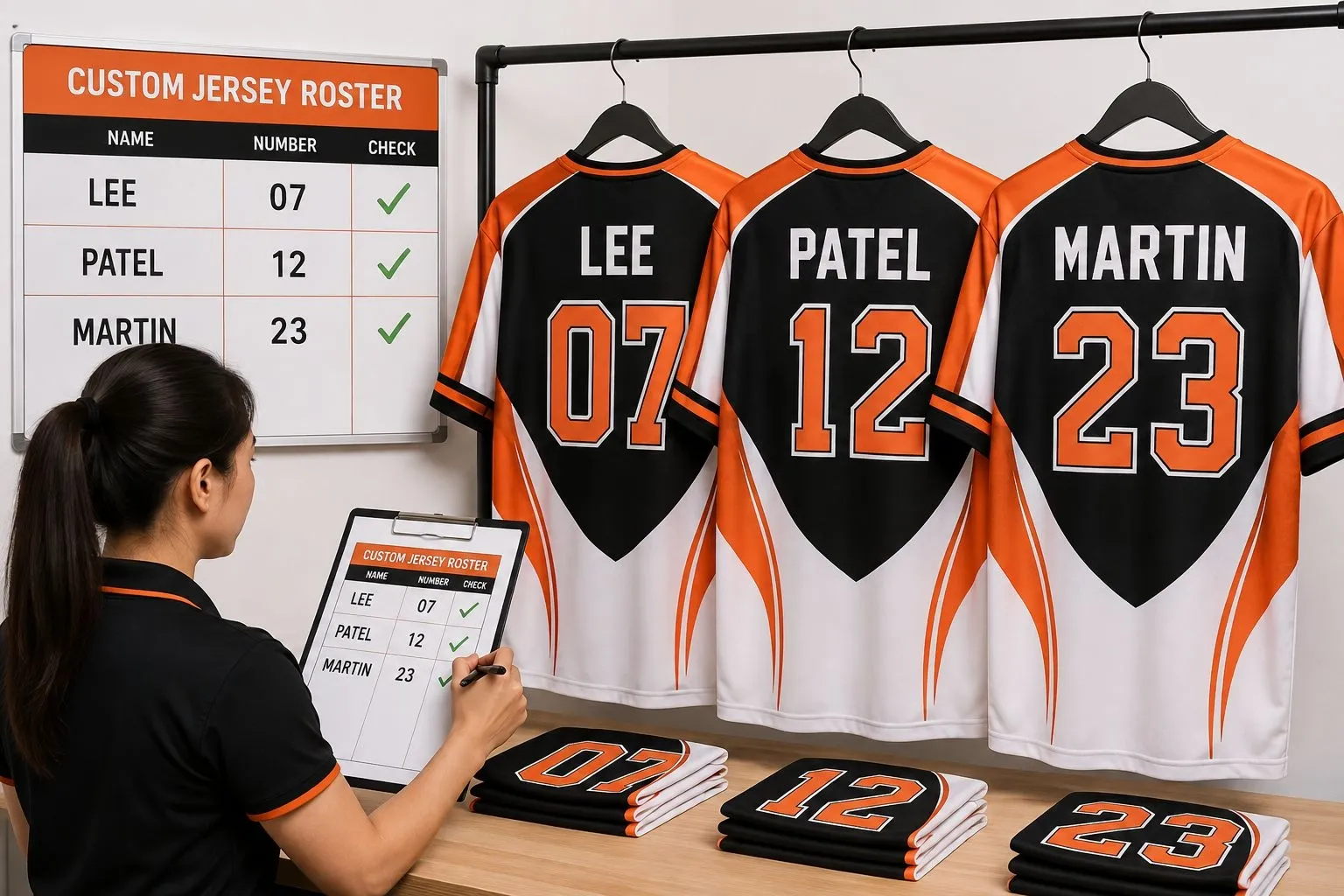
3. Accurate Names and Numbers
Names, player numbers and bib numbers should come from one approved roster instead of scattered messages. The personalization file is checked against the relevant garment and artwork position before production. Buyers remain responsible for approving final spelling and assignments, giving both sides one controlled reference.
4. A Controlled Milestone Schedule
A workable delivery plan begins with the event date and works backward through data submission, artwork approval, sampling when required, bulk production, inspection, packing and transport. Timing depends on the product, quantity, customization, approval speed and destination. Confirmed milestones give the school visibility without relying on an unsupported universal lead-time promise.
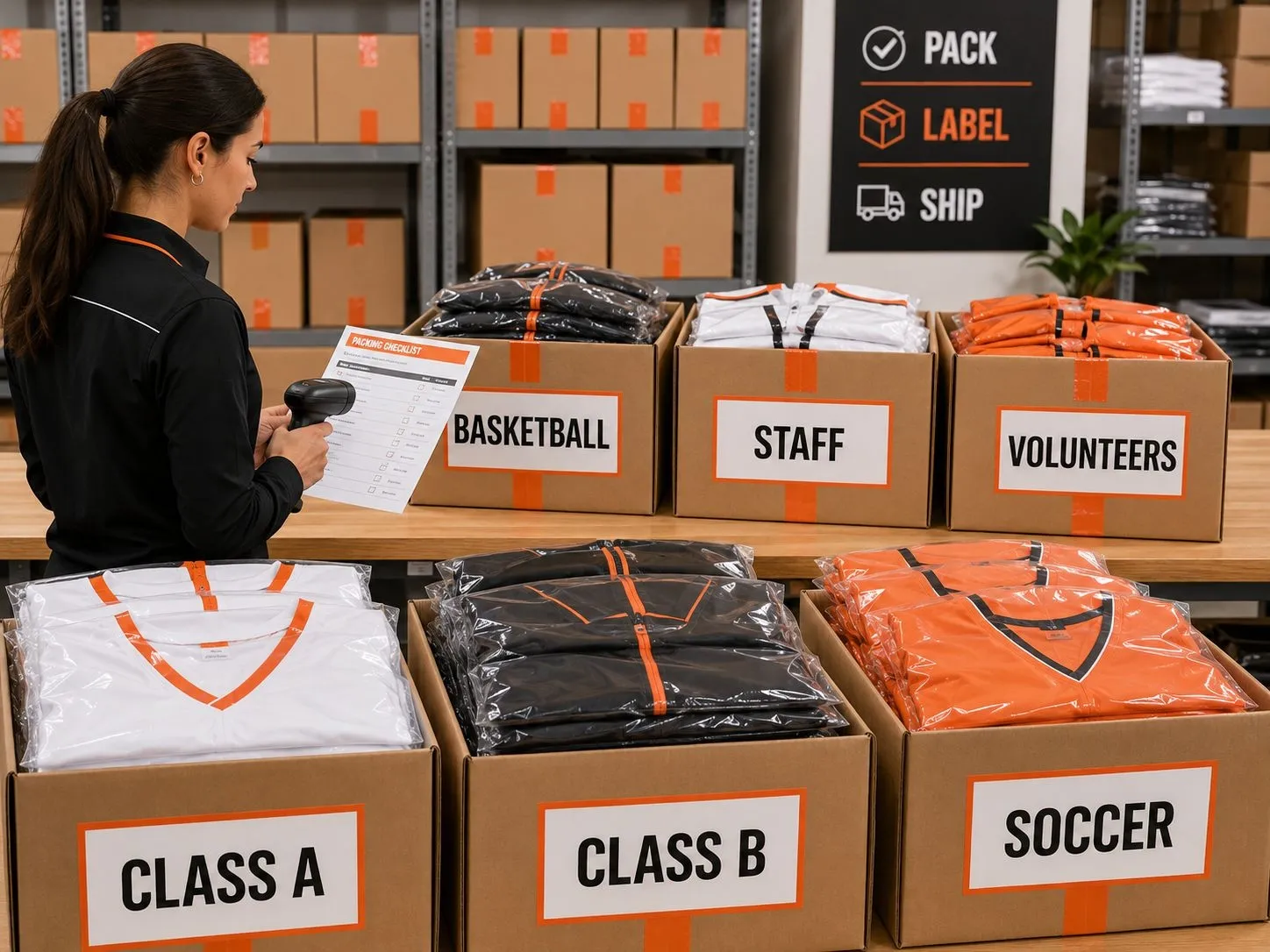
5. Pre-Sorted Packing for Distribution
Finished garments can be organized by class, team, role, size group or individual according to the confirmed packing plan. Clear labels reduce the amount of sorting required after arrival and help organizers distribute a bulk purchase more efficiently. Available packing details are confirmed before production.
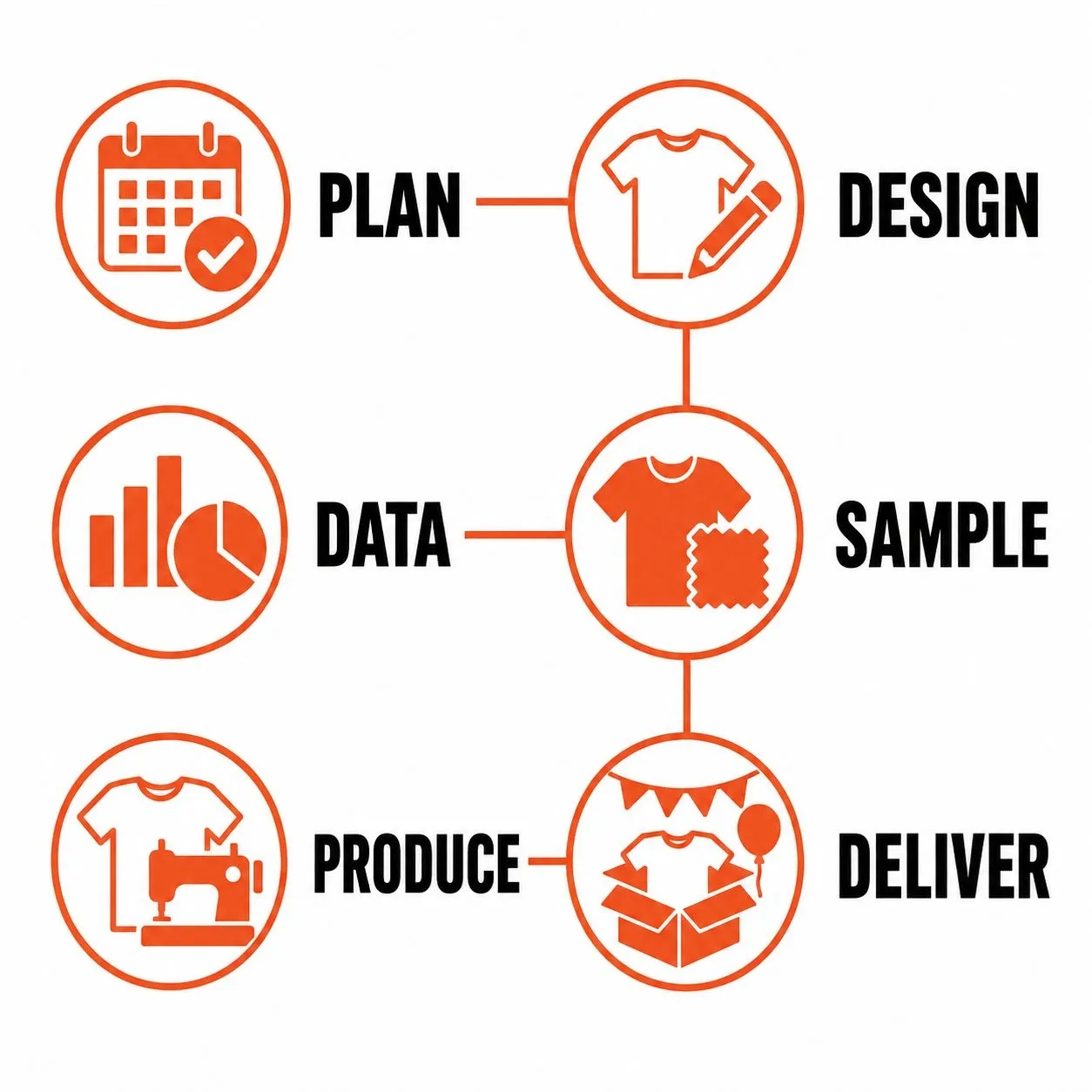
From School Brief to Sorted Delivery
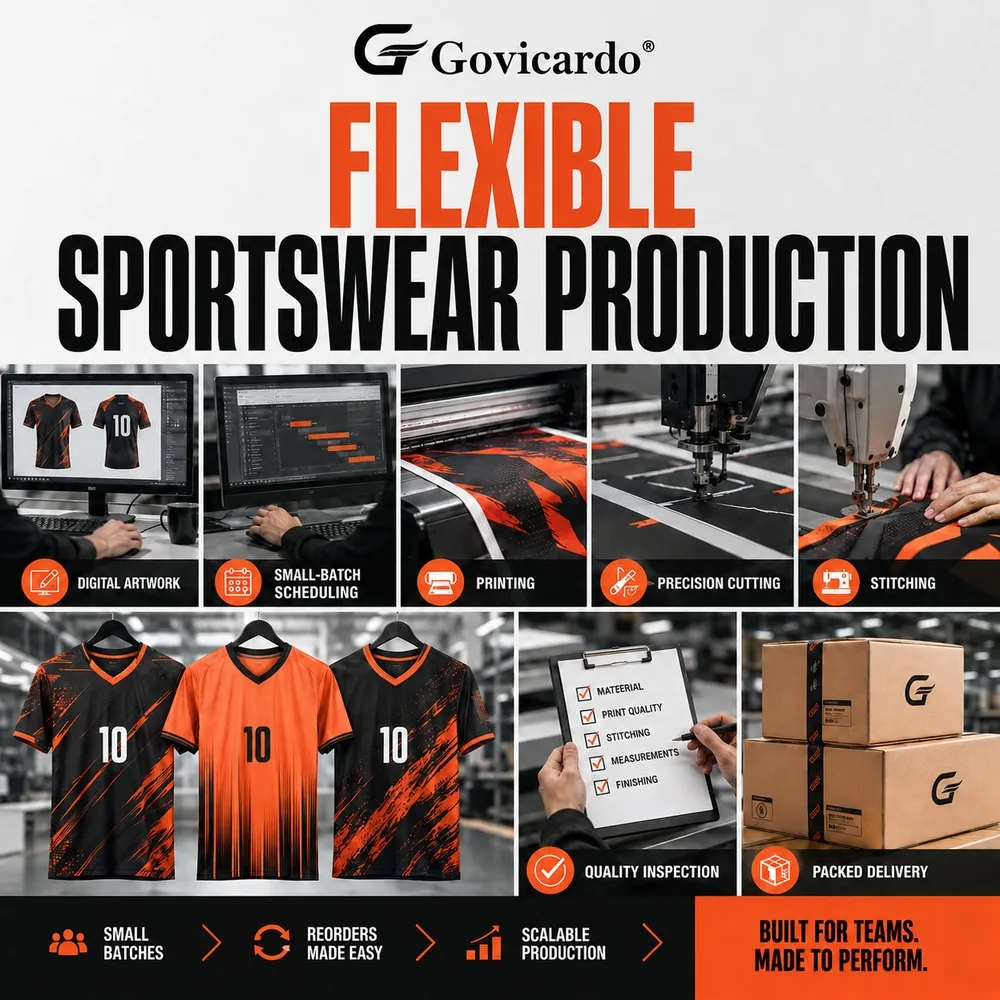
1. Define the program: Share the sports, classes, teams, event roles, quantities, target date, budget direction and destination.
2. Confirm products and design: Review garment types, original artwork, school colors, logos, fabrics, size charts, labels and packaging.
3. Collect and approve data: Consolidate sizes, names, numbers, class groups and final quantities in one reviewed order file.
4. Sample and authorize: Check artwork, fit, color, construction and personalization before bulk production when sampling is part of the project.
5. Produce and inspect: Manufacture against the approved specification and inspect the relevant garments, decoration, quantities and roster details.
6. Sort, pack and deliver: Group the order according to the approved distribution plan and arrange shipment to the confirmed destination.
Frequently Asked Questions
What products can be included in a school sportswear program?
A program can include class shirts, sport-specific competition uniforms, sports day apparel, referee clothing, volunteer shirts, race bibs or number bibs, training wear and related soft team products. The final range is confirmed around the school’s sports, participants, event roles and budget.
Can different classes and teams order together?
Yes. A master project can contain separate class, team, faculty or role breakdowns. Shared elements such as the school colors and crest can remain consistent while approved class names, team identifiers, numbers or secondary colors change.
Can one order contain mixed sizes?
Yes. School orders can include mixed sizes when the buyer provides a clear breakdown. Youth and adult fits, gender-specific options and product-specific size charts should be identified during specification and confirmed before production.
How are student names, jersey numbers and race bibs checked?
They are organized in one approved roster that connects each recipient to the correct product, size and personalization. Artwork positions and assignments are reviewed before production, and the school approves the final spelling and number data.
Can garments be packed separately by class or team?
Yes, subject to the confirmed packaging requirements. Orders can be pre-sorted and labeled by class, team, role, size group or individual so teachers and event organizers spend less time sorting after delivery.
What is the minimum order quantity?
Fully custom projects typically start from 20 pieces per design. The exact MOQ depends on the garment, fabric, construction, decoration and packing requirements, so it is confirmed during quotation.
How early should a school start before an event?
Start as early as possible and provide the event date in the first brief. The workable schedule depends on product complexity, quantities, sampling, approval speed, production and shipping destination. Govicardo can then confirm project milestones instead of applying one lead time to every order.