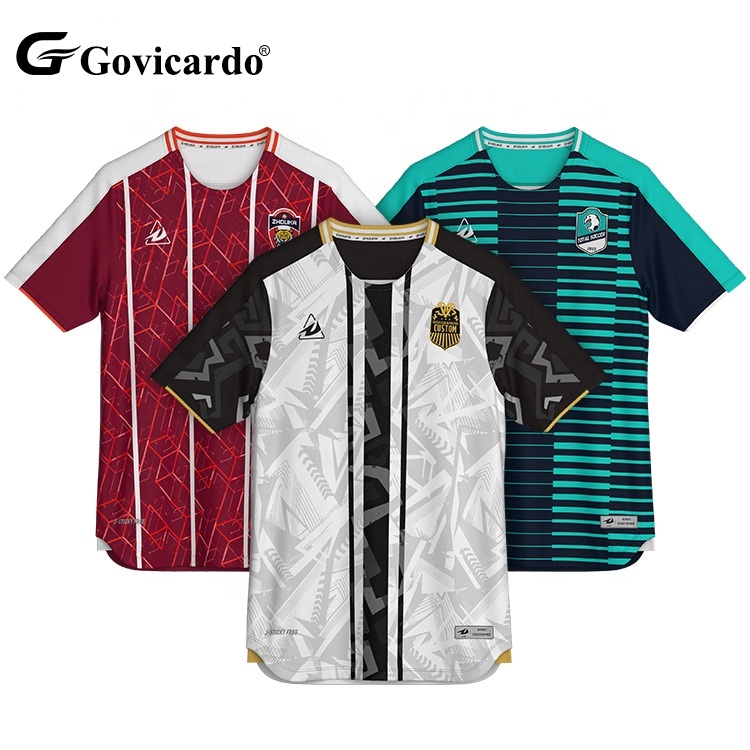
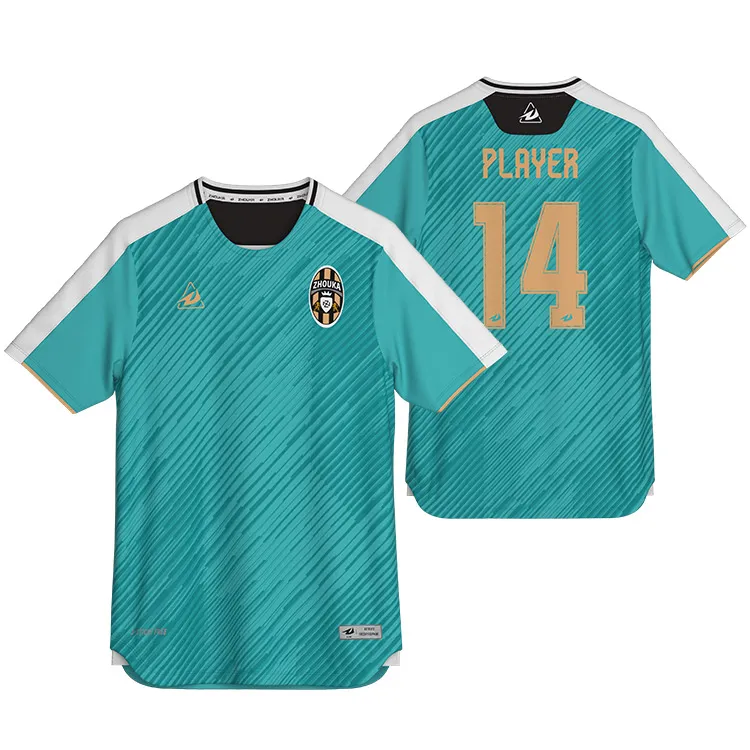
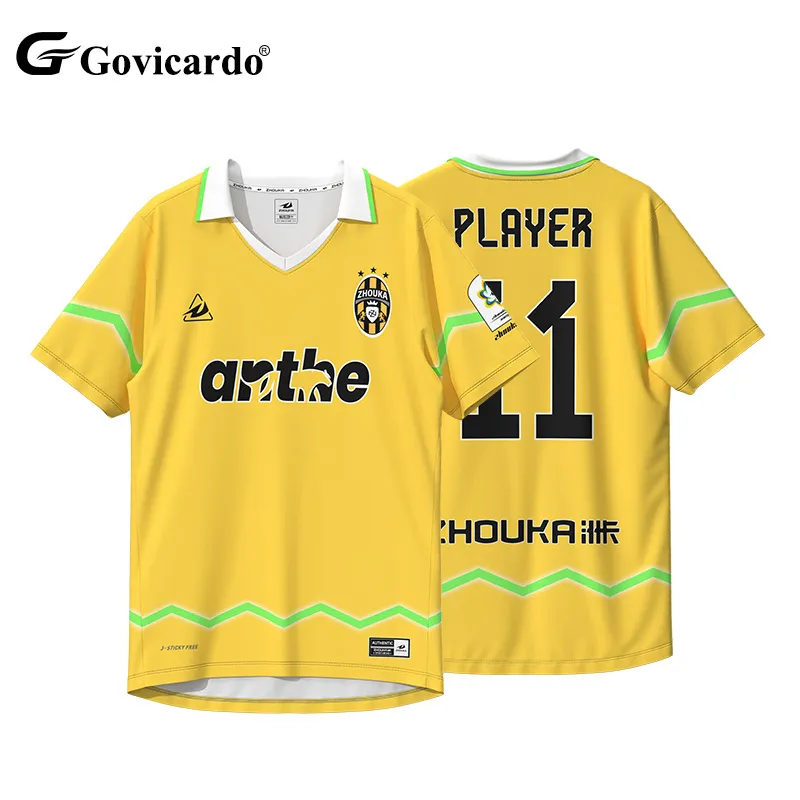
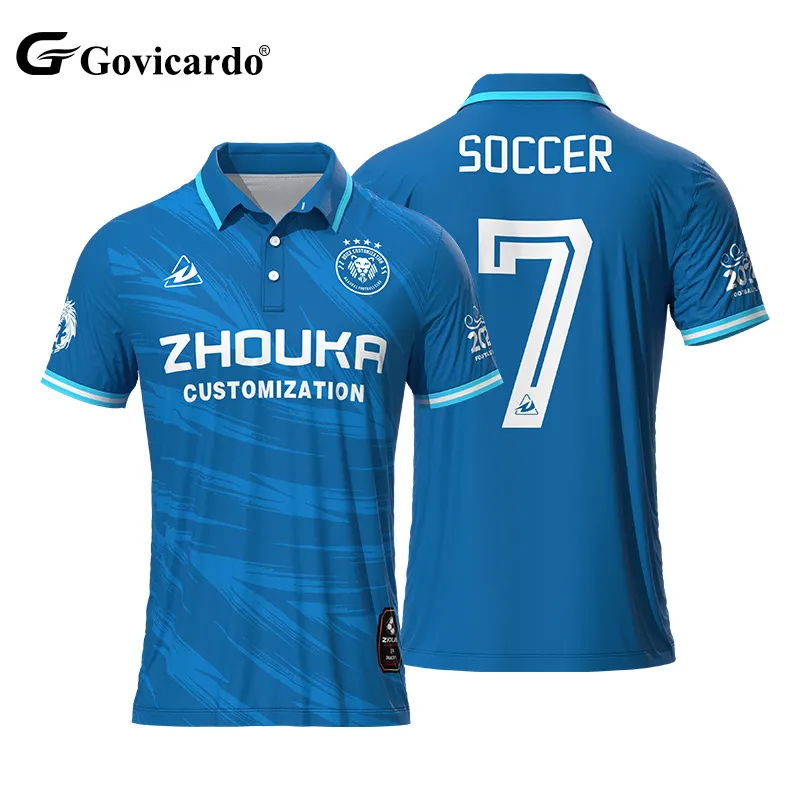
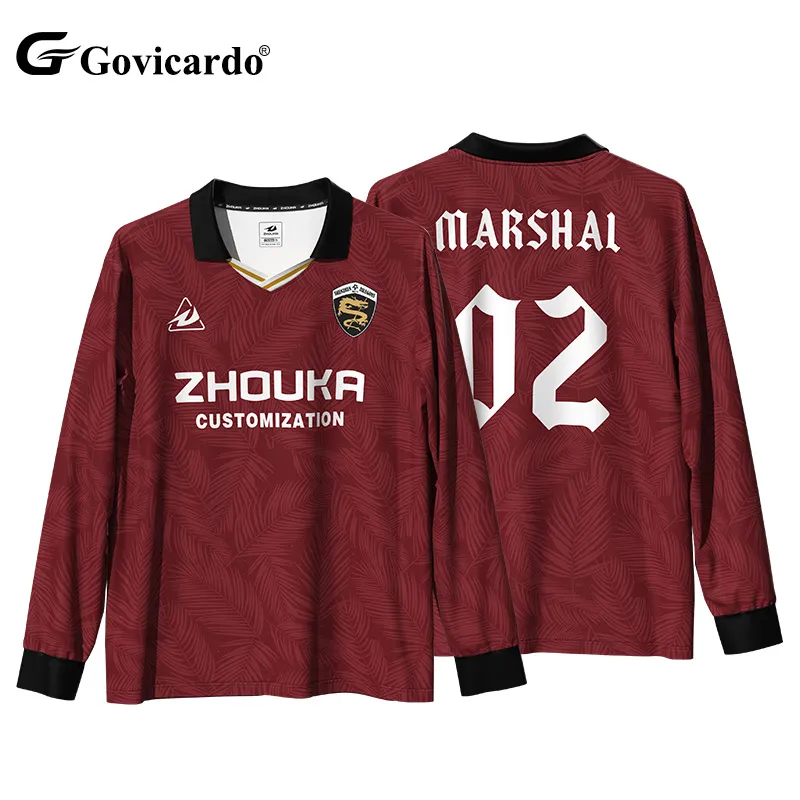
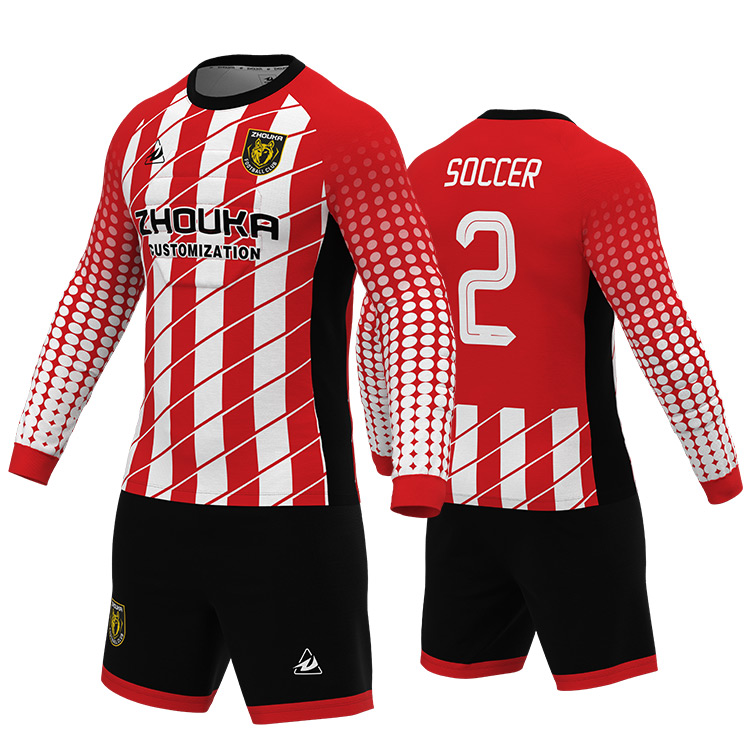
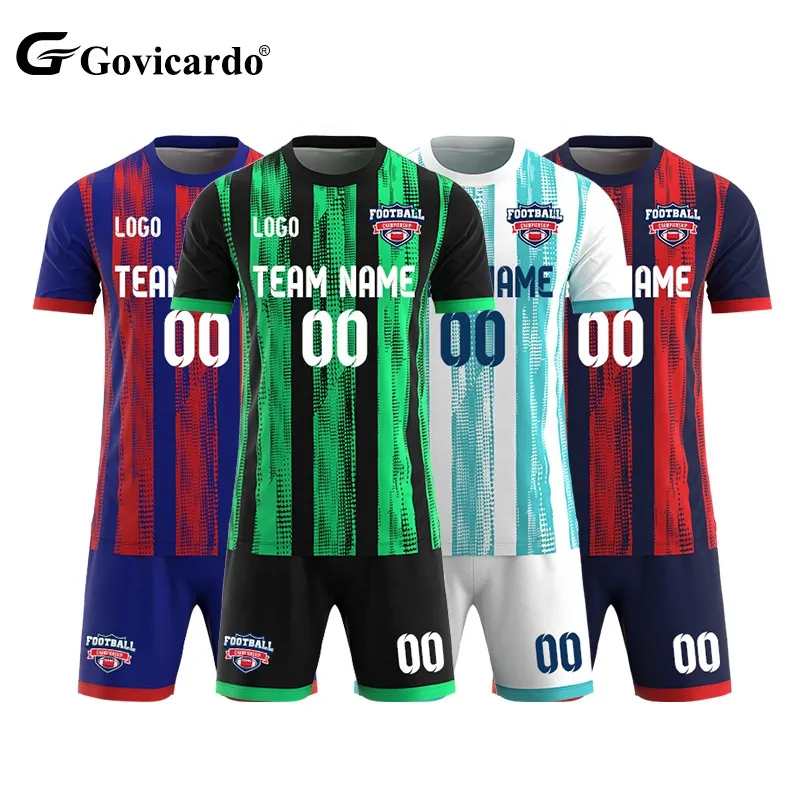
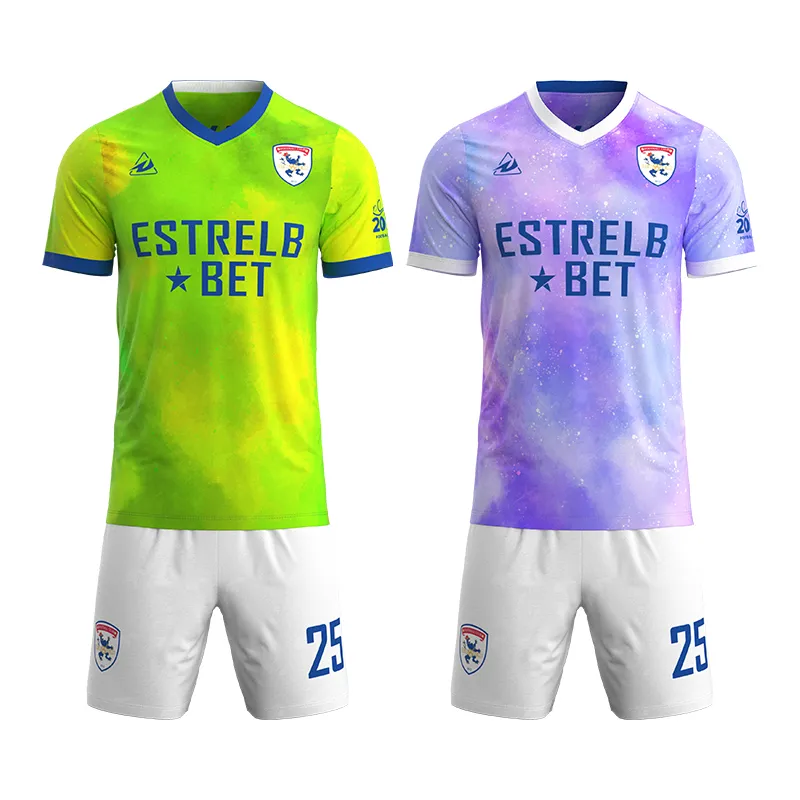
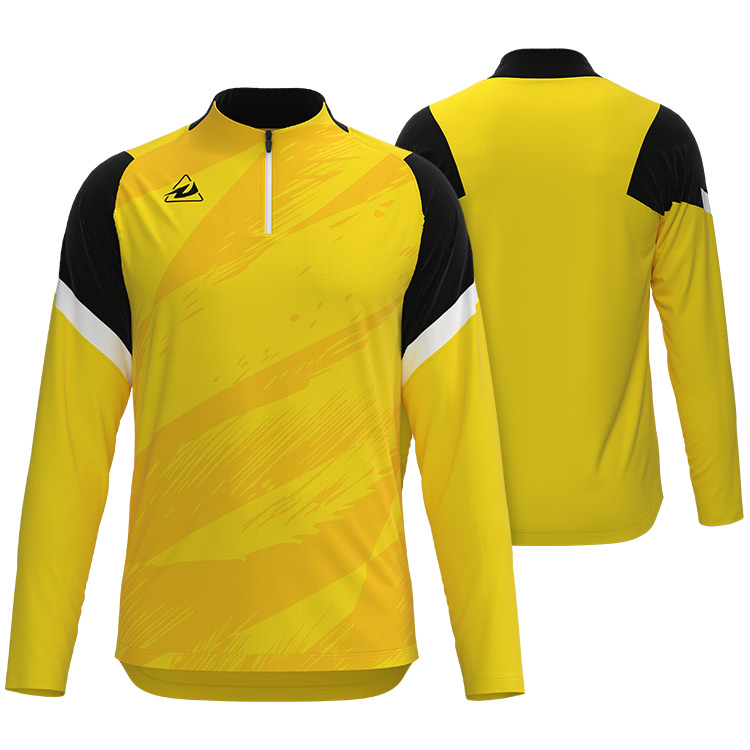
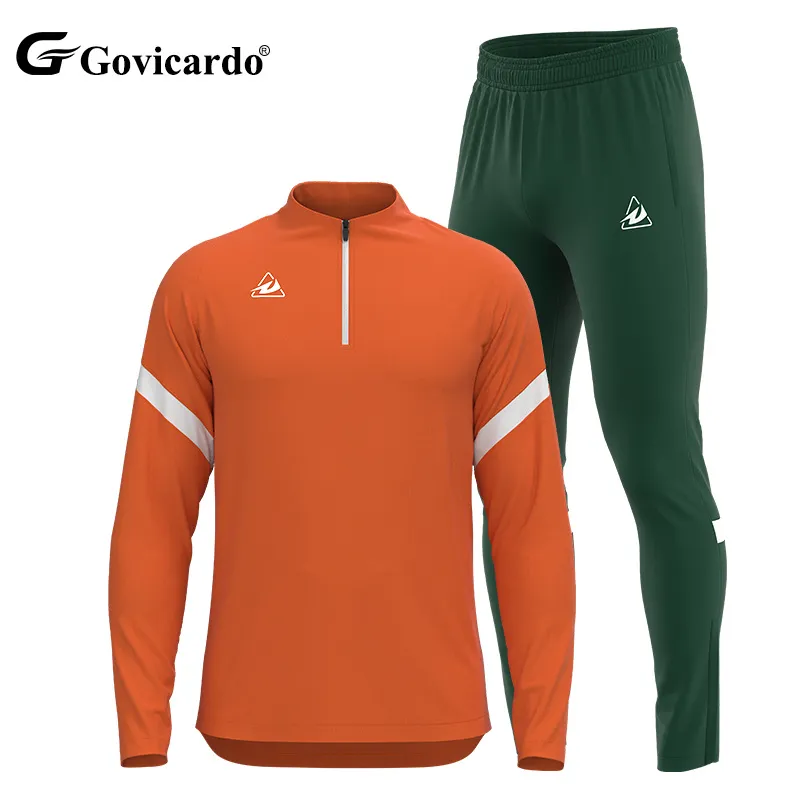
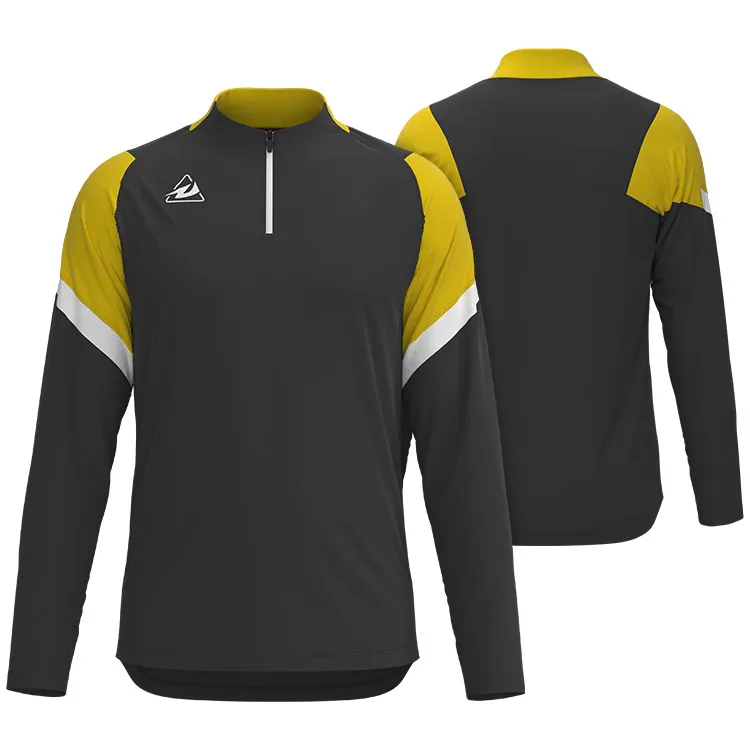
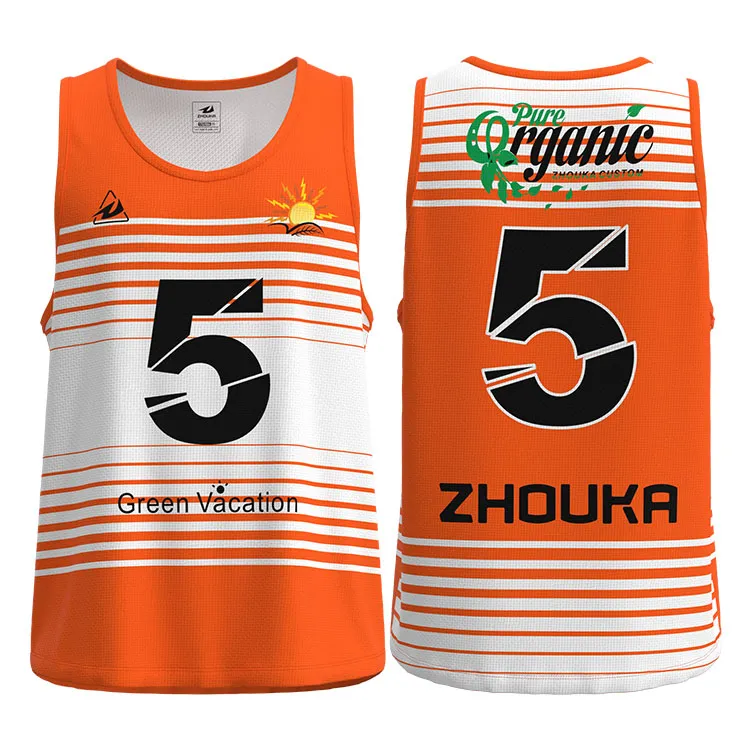
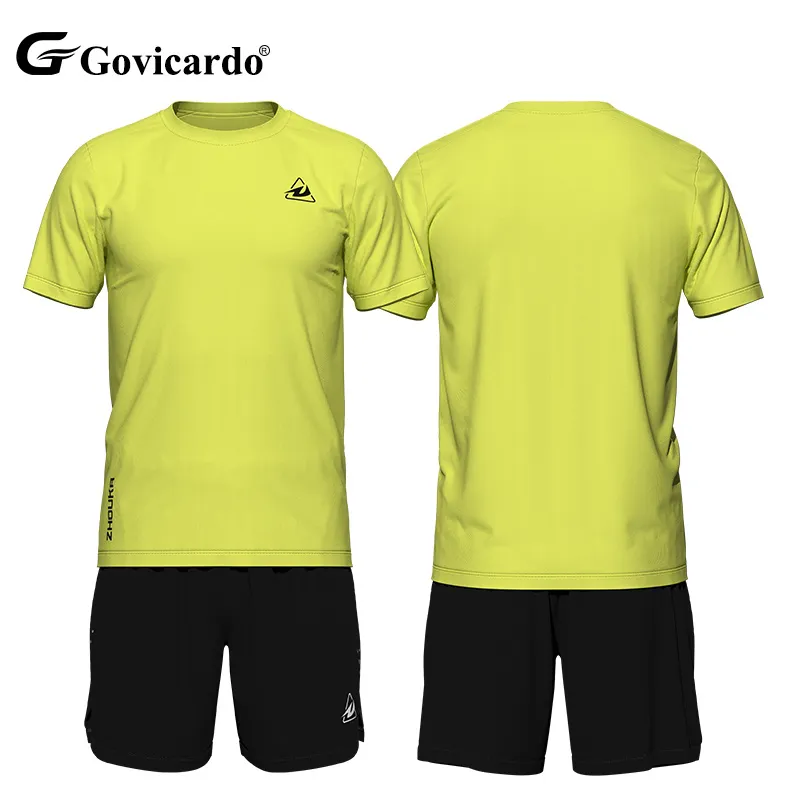
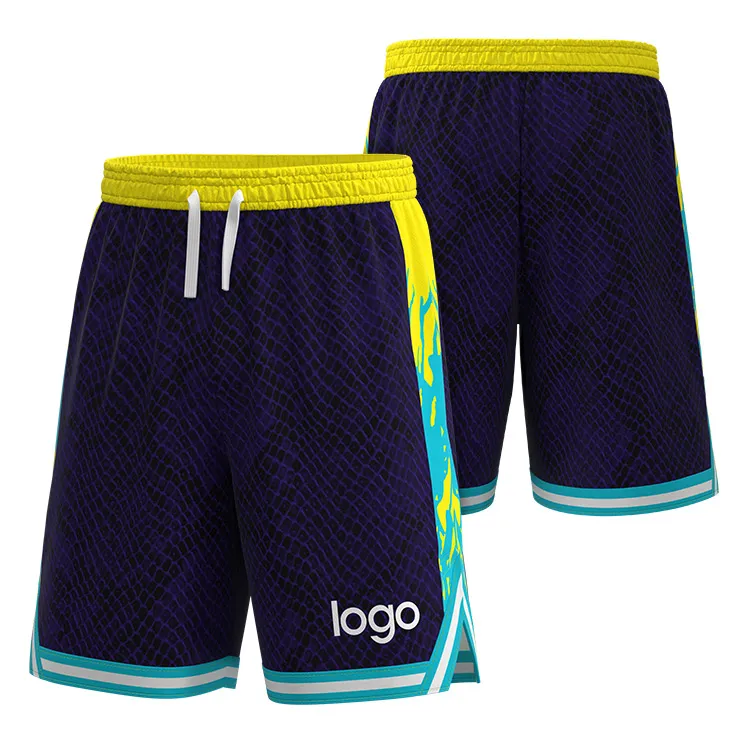
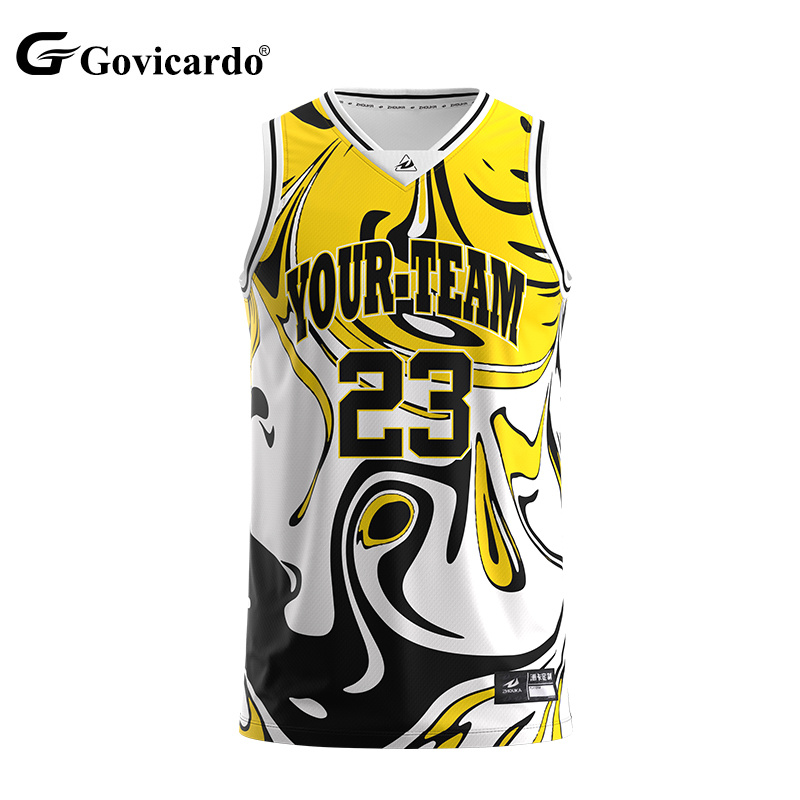
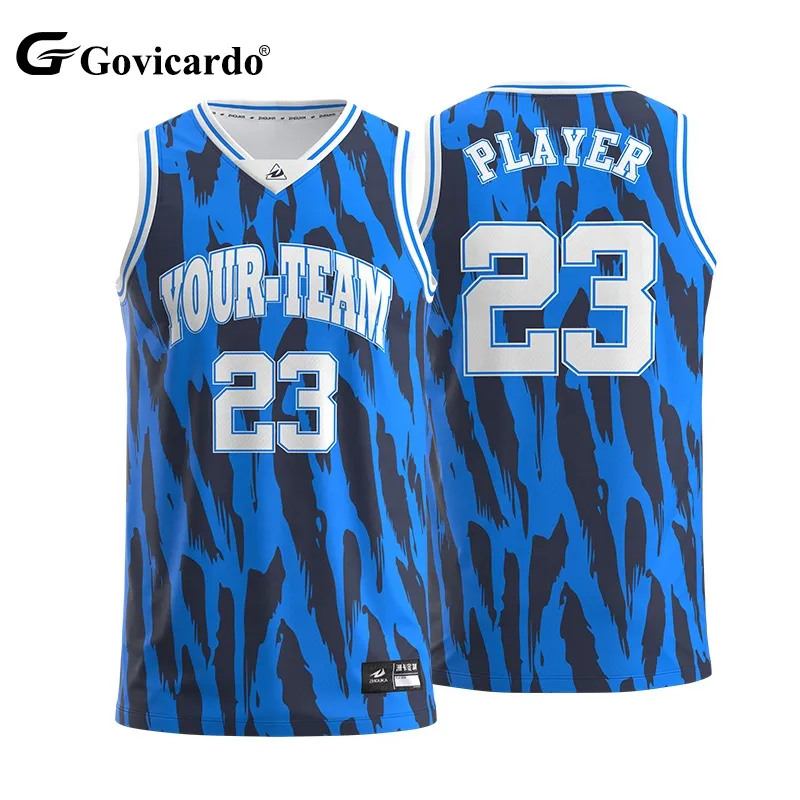
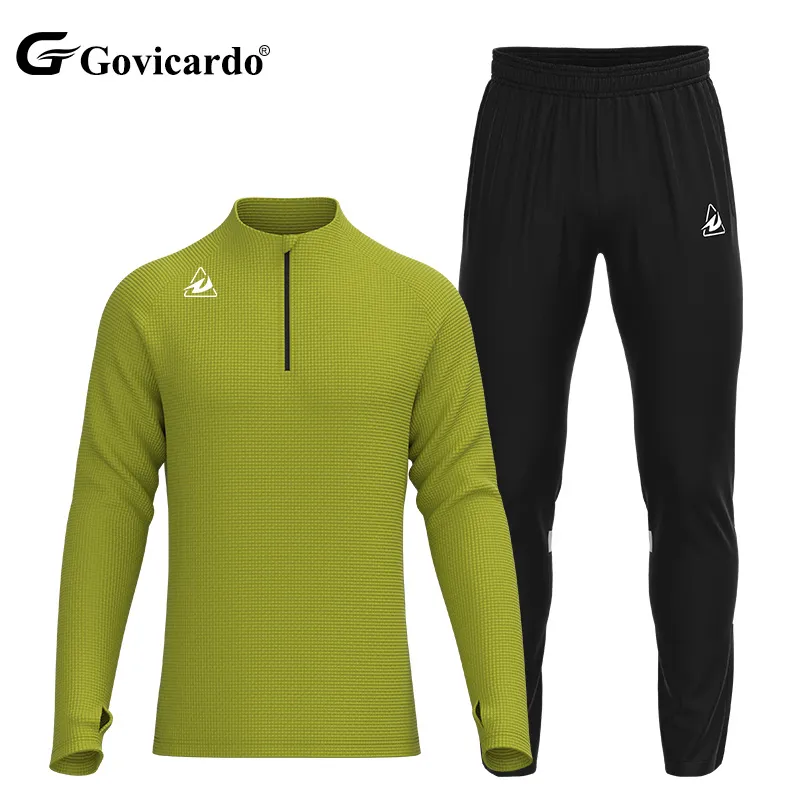
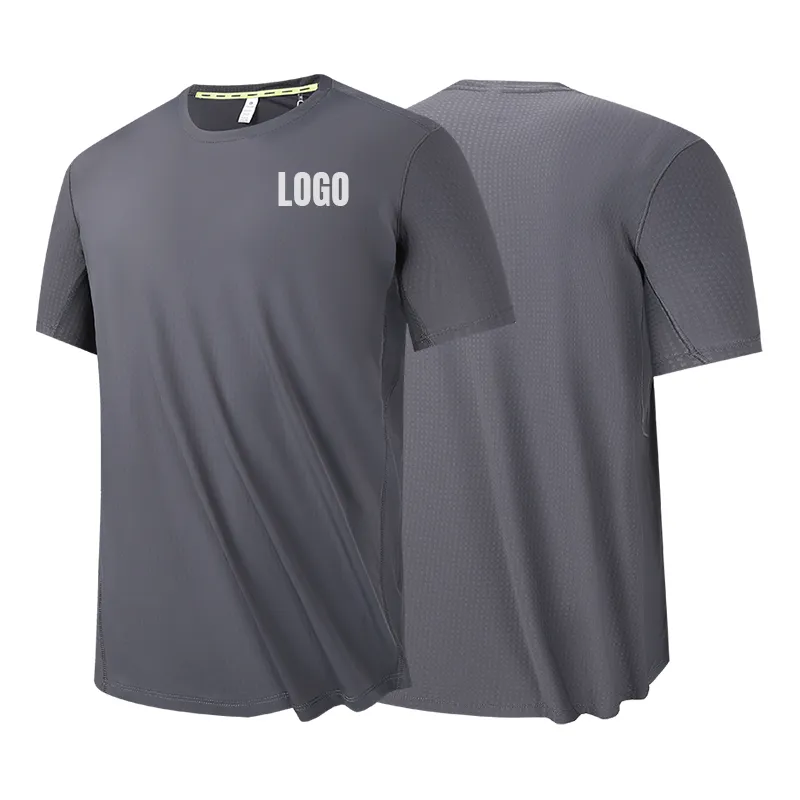
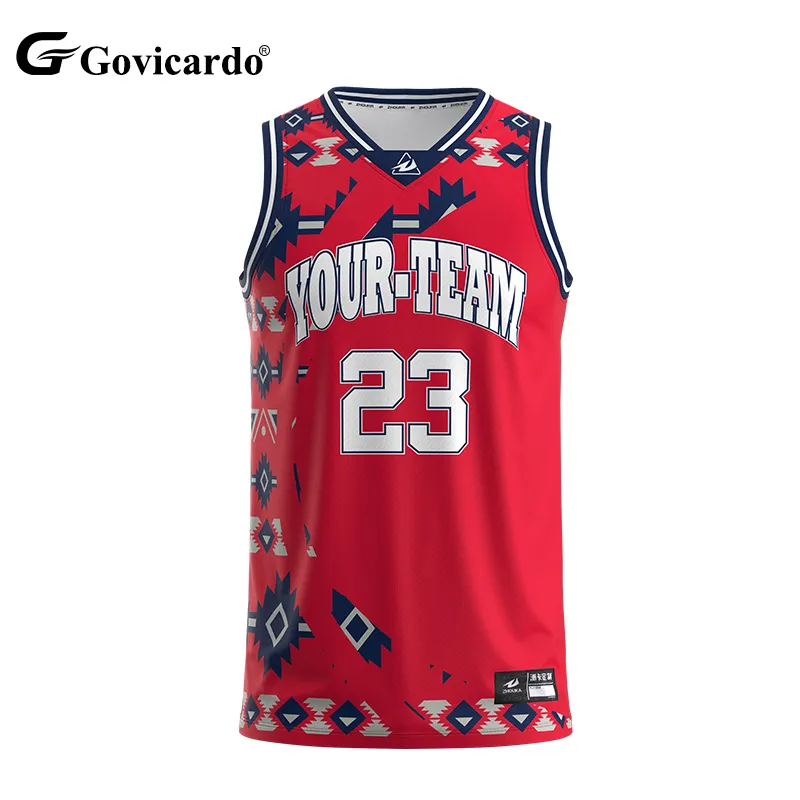
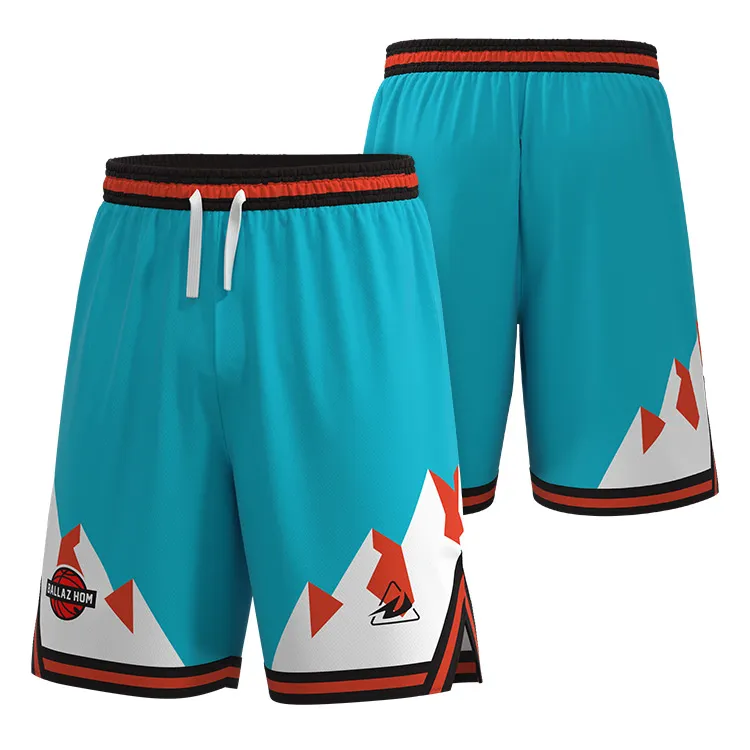
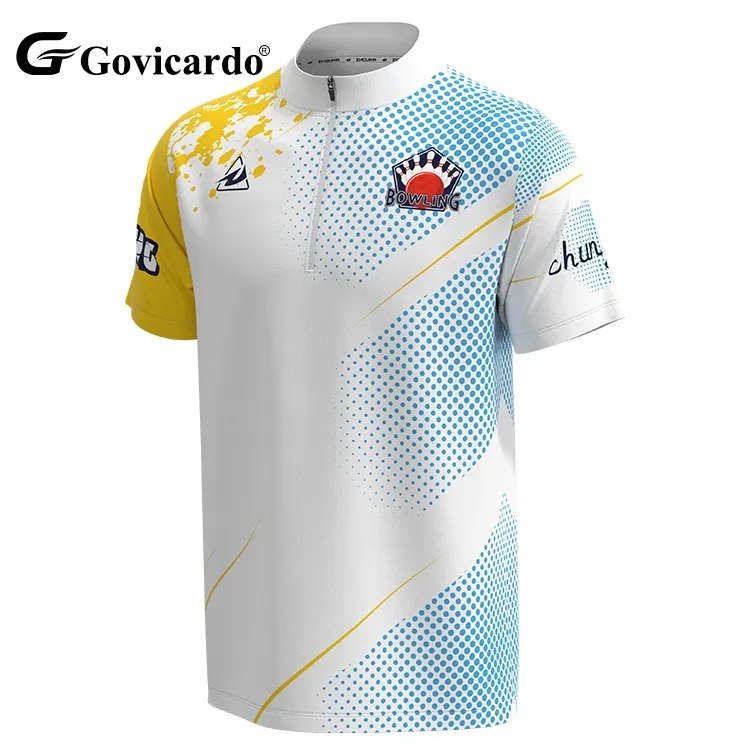
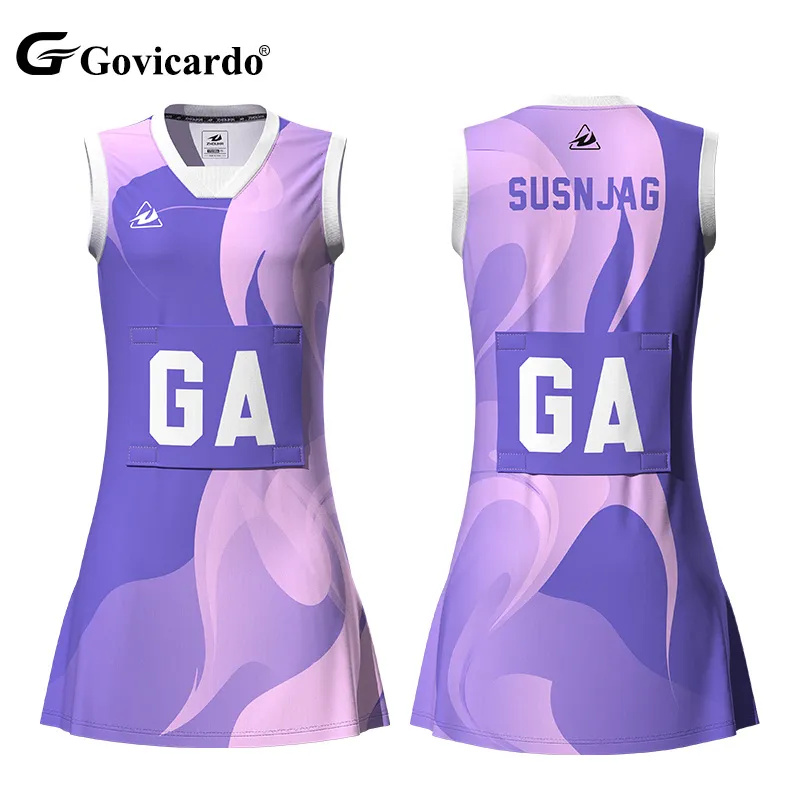
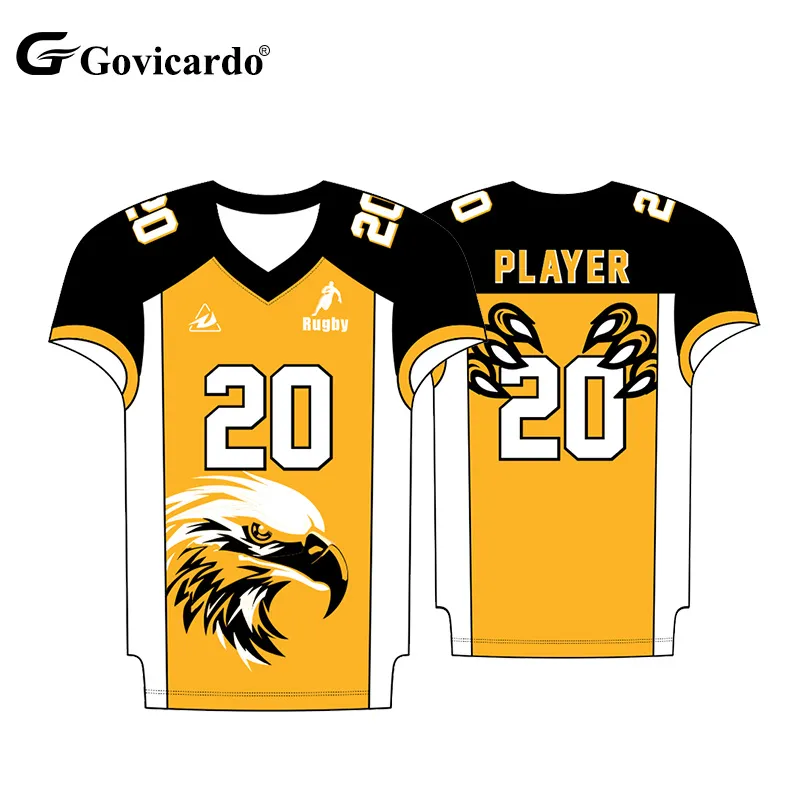
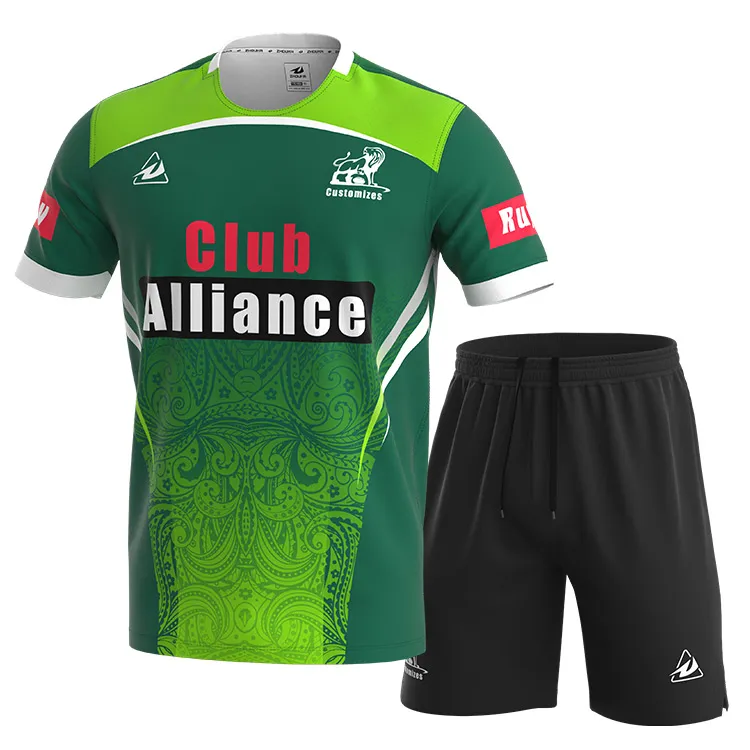
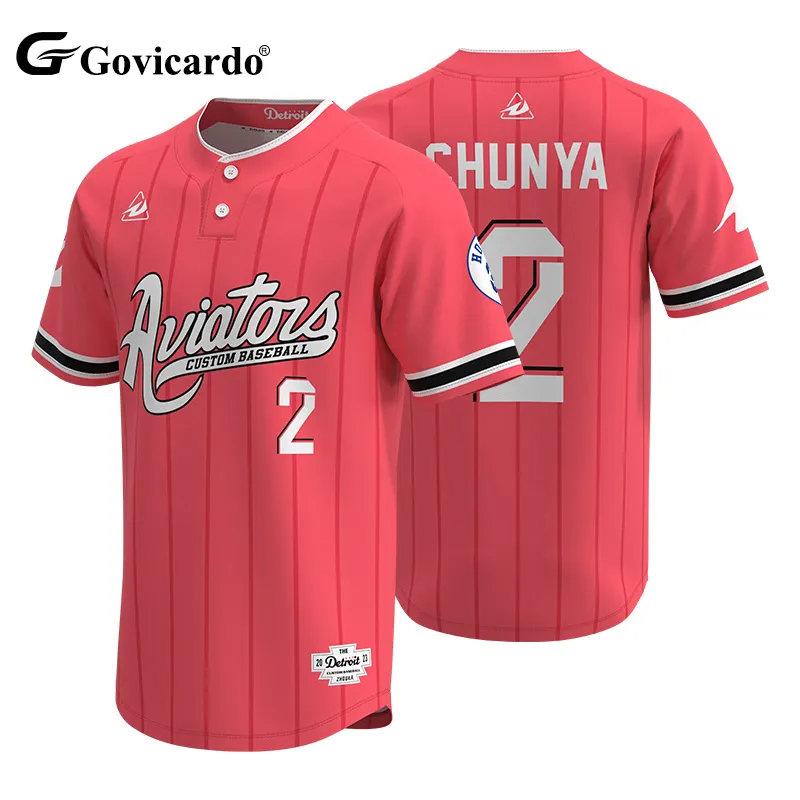
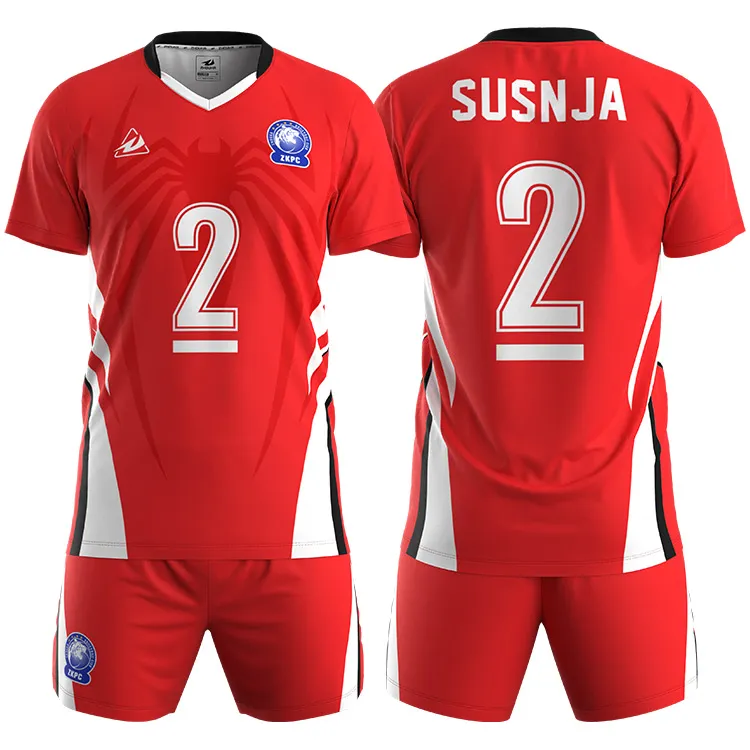
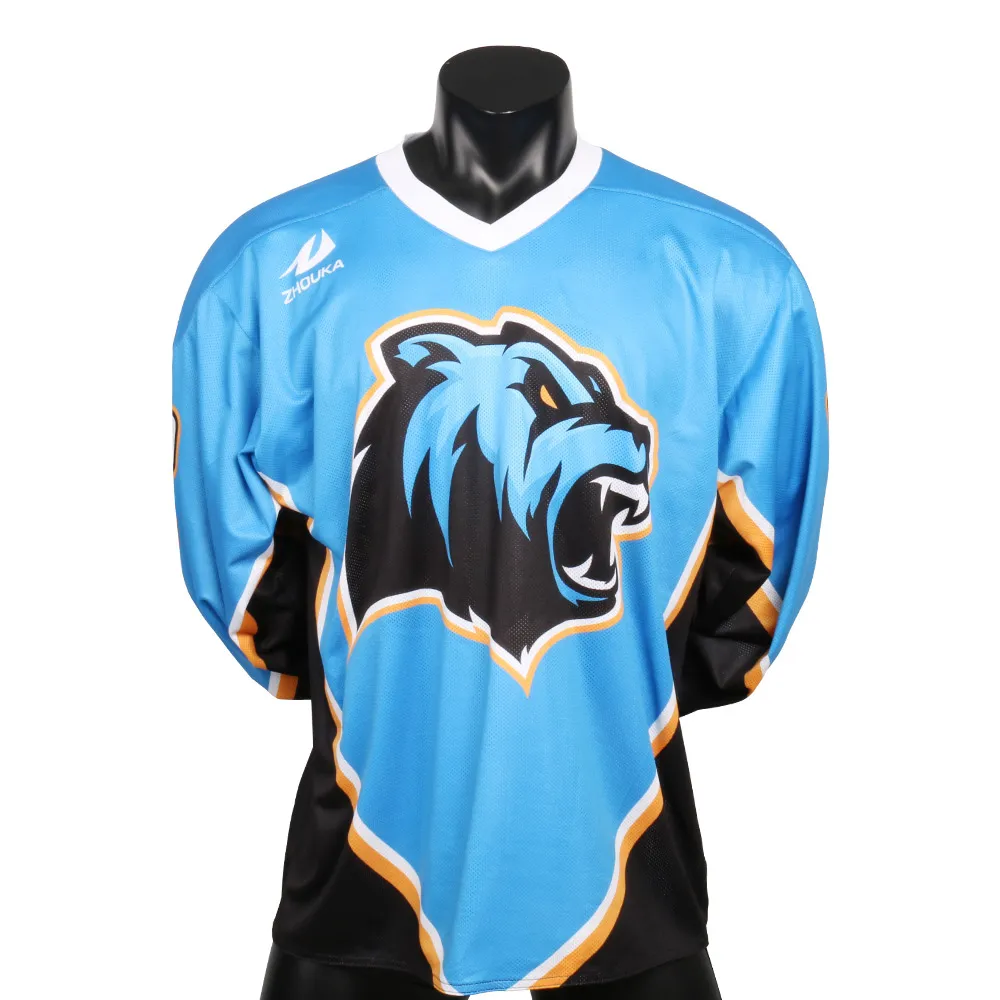
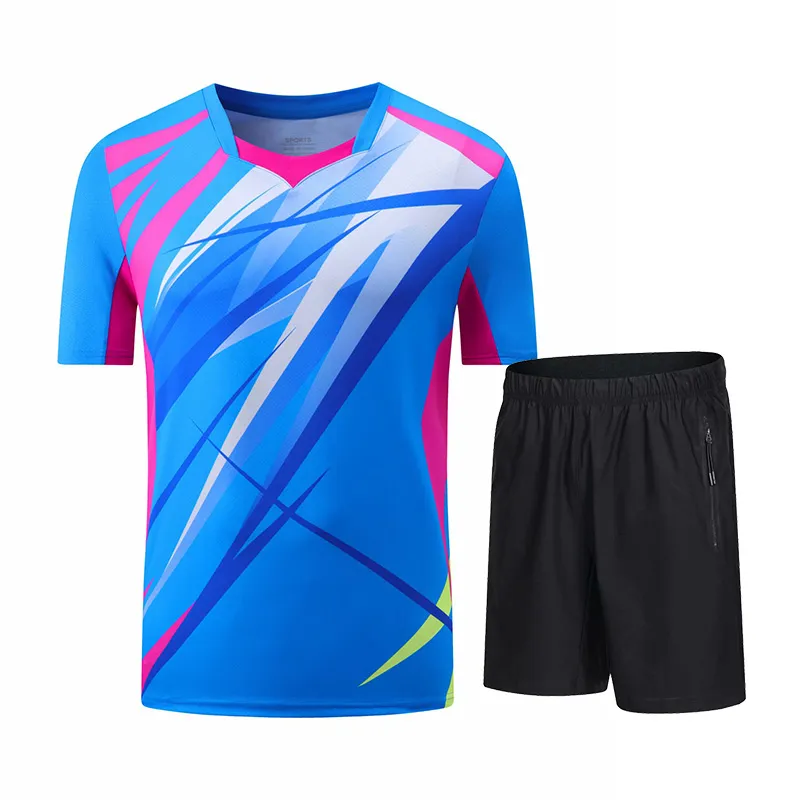
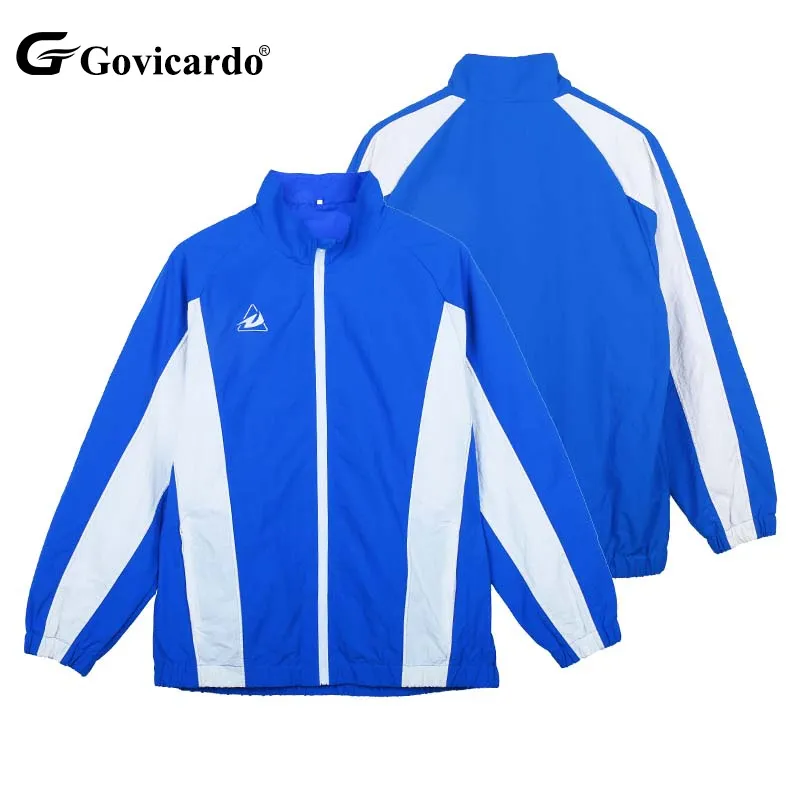
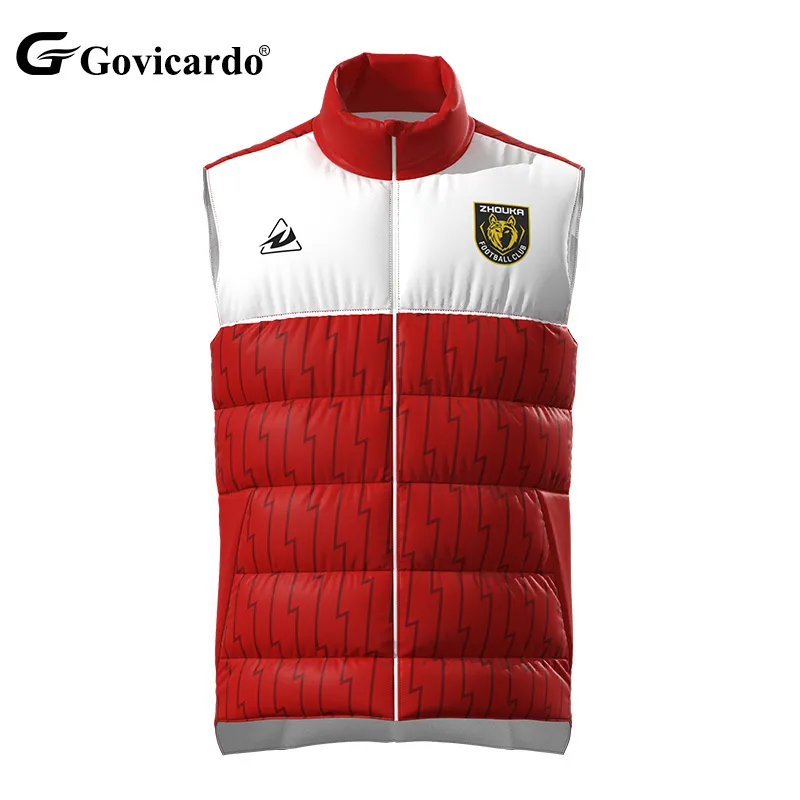
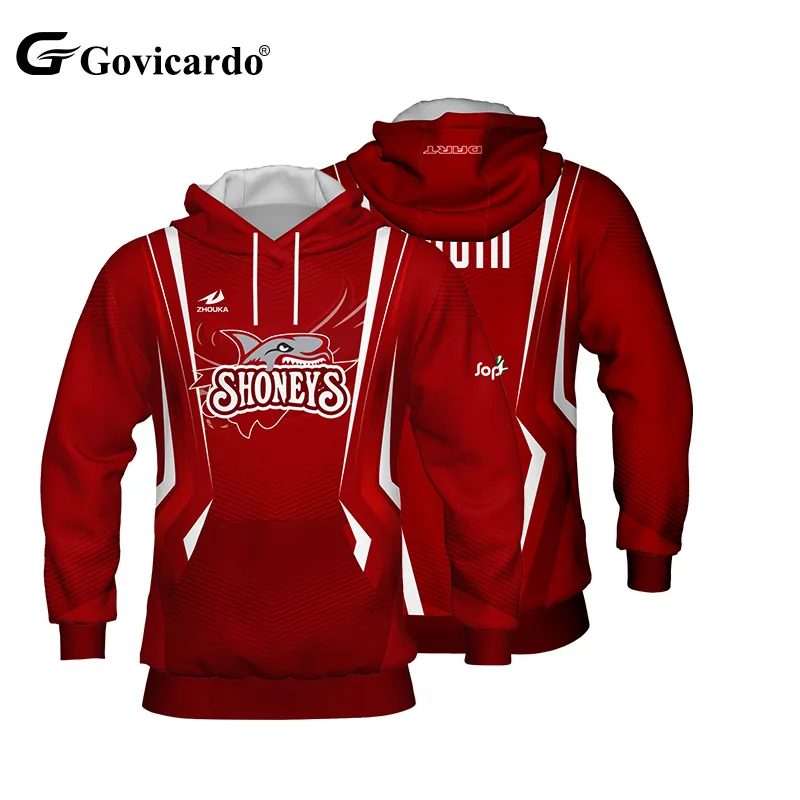
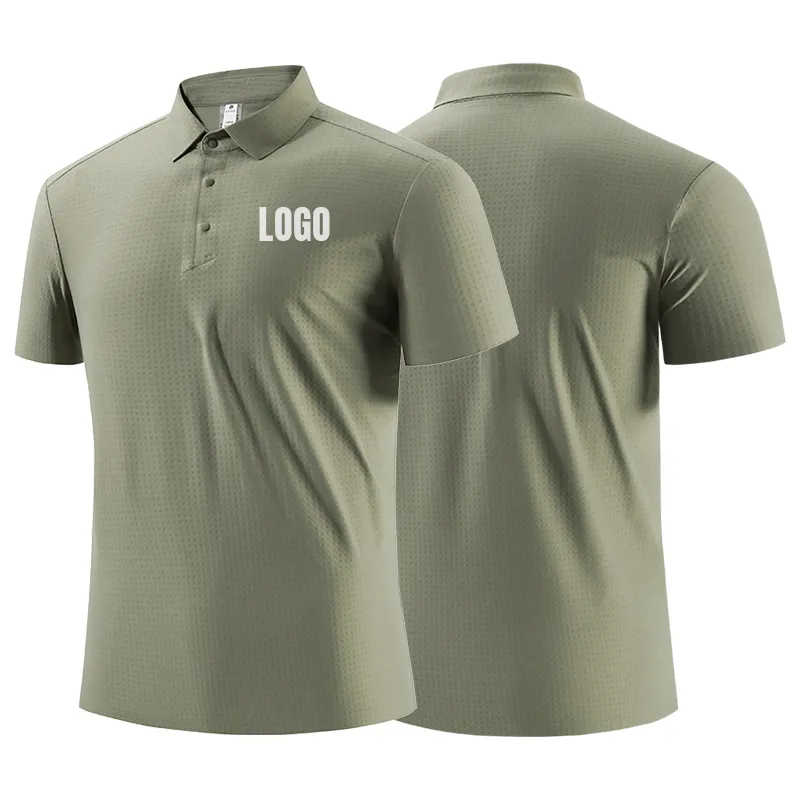
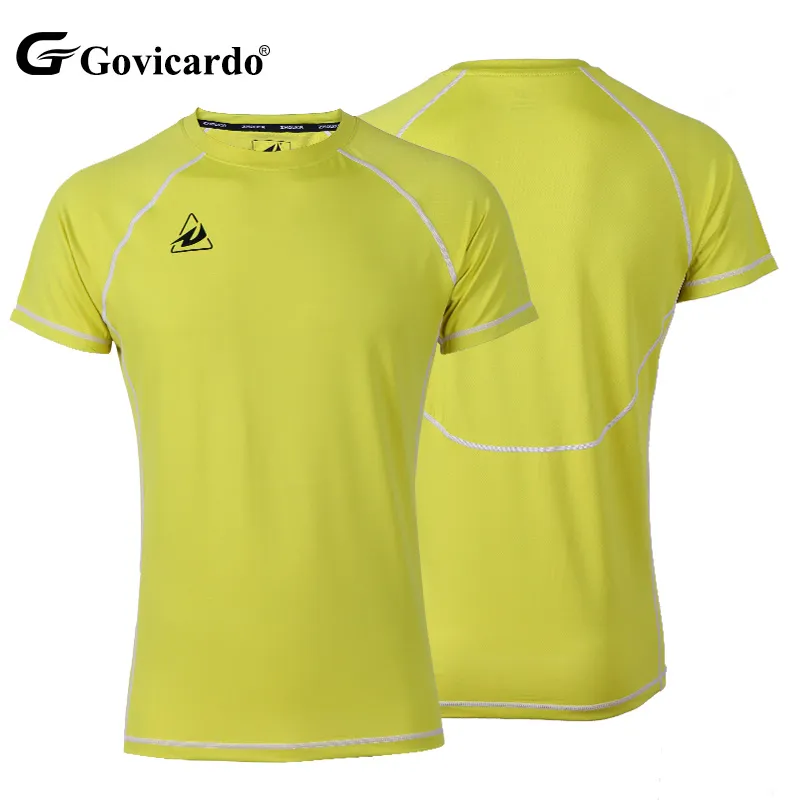
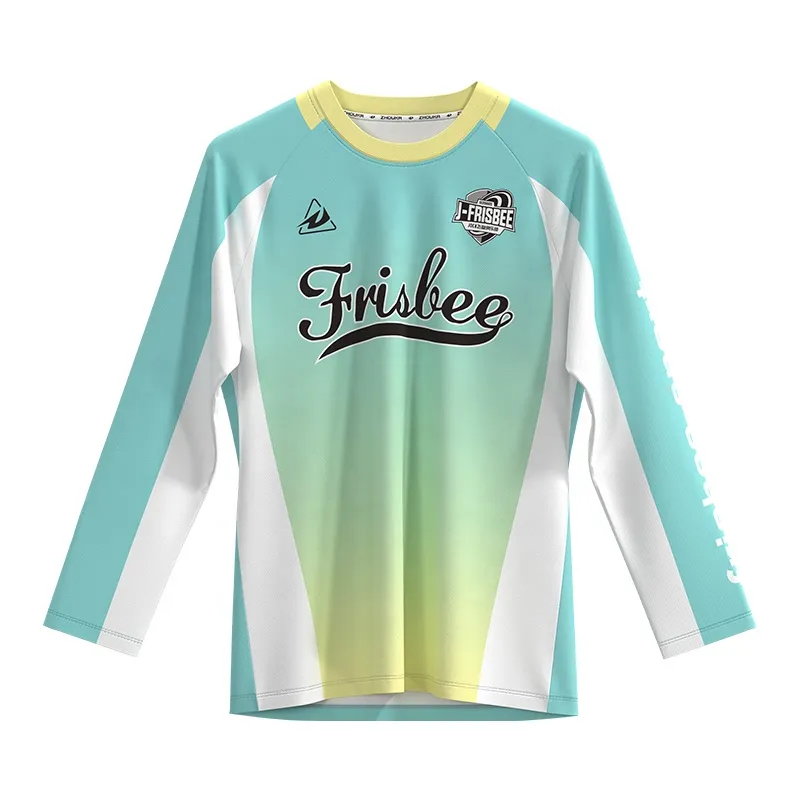
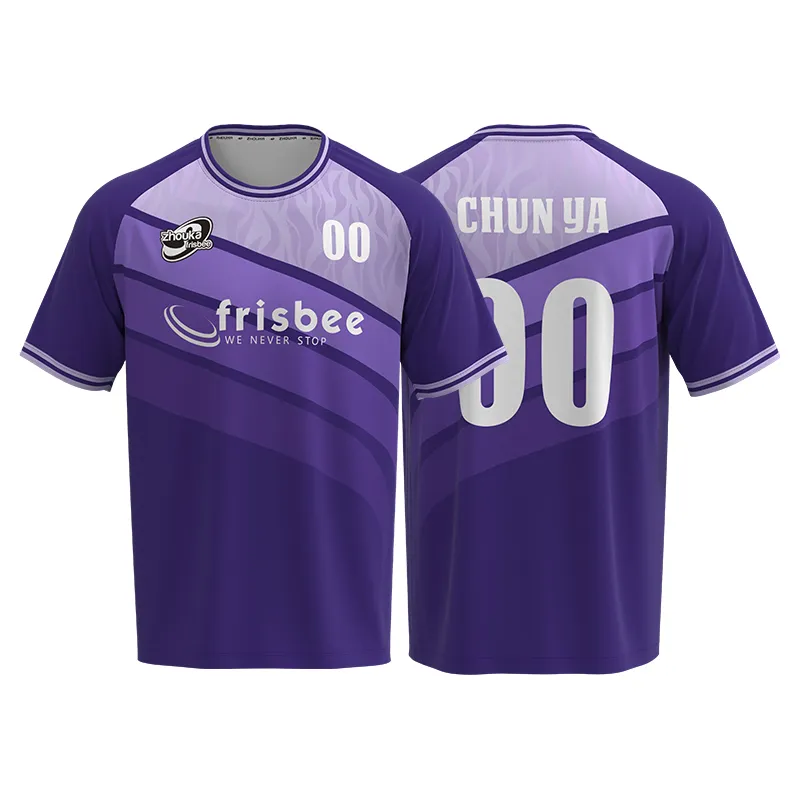
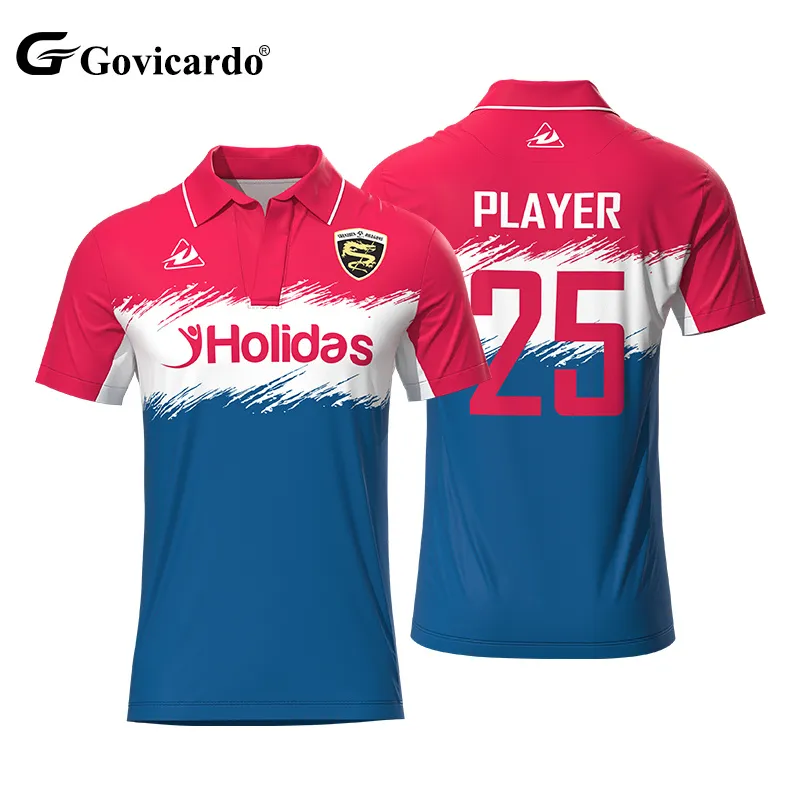

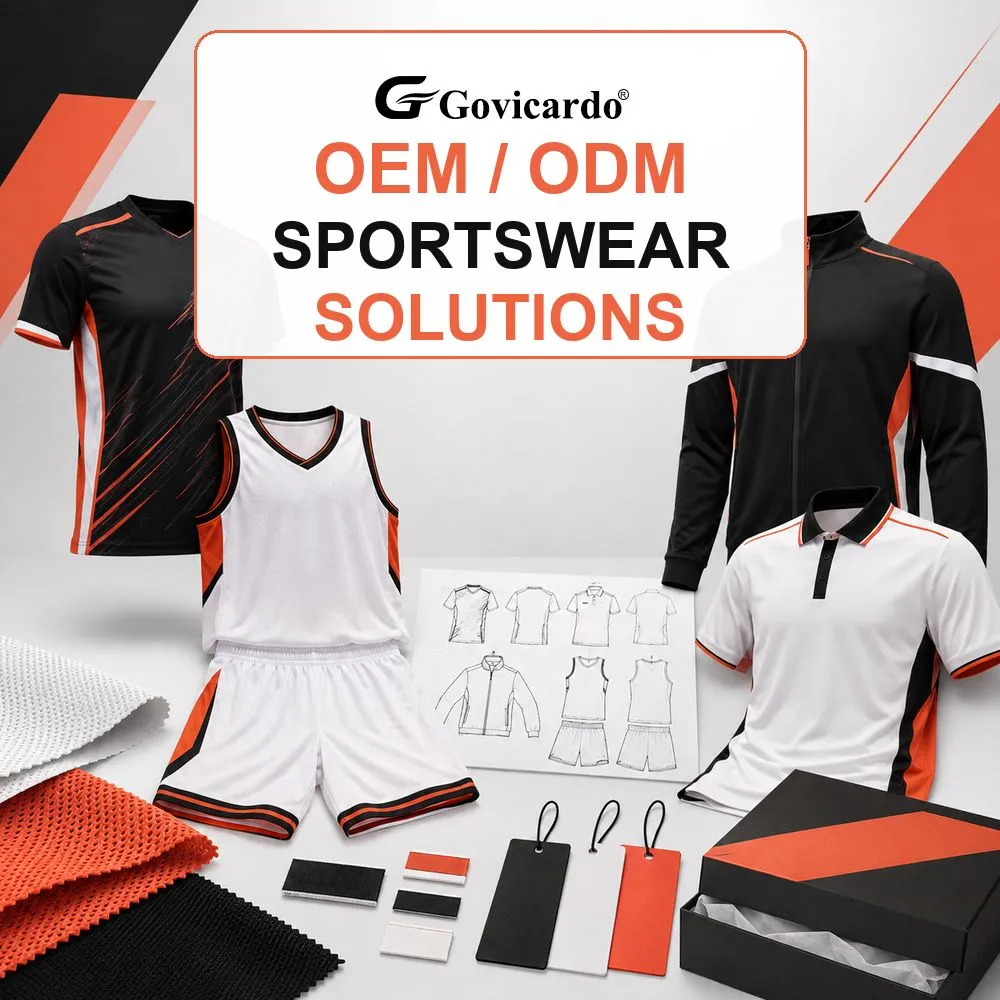
Direct answer: Govicardo provides OEM and ODM sportswear solutions for brands that need more than a logo on a ready-made garment. We support product development, fabric selection, design adjustment, sample approval, private labels, packaging, bulk production, quality inspection and international shipment. Buyers can start from artwork, a physical sample or a collection idea, then develop a market-ready sportswear range under their own brand.
A successful sportswear collection must connect design, fit, fabric, decoration, branding and production. If those decisions are handled by separate suppliers, small inconsistencies can become expensive problems: a fabric may not suit the print process, a label may arrive after production starts, or two products in the same collection may use visibly different colors.
As an OEM sportswear manufacturer with ODM development support, Govicardo helps buyers turn these separate decisions into one practical production plan. The goal is to make every approved detail clear before bulk manufacturing begins and to give brands one contact point from the first brief to packed goods.
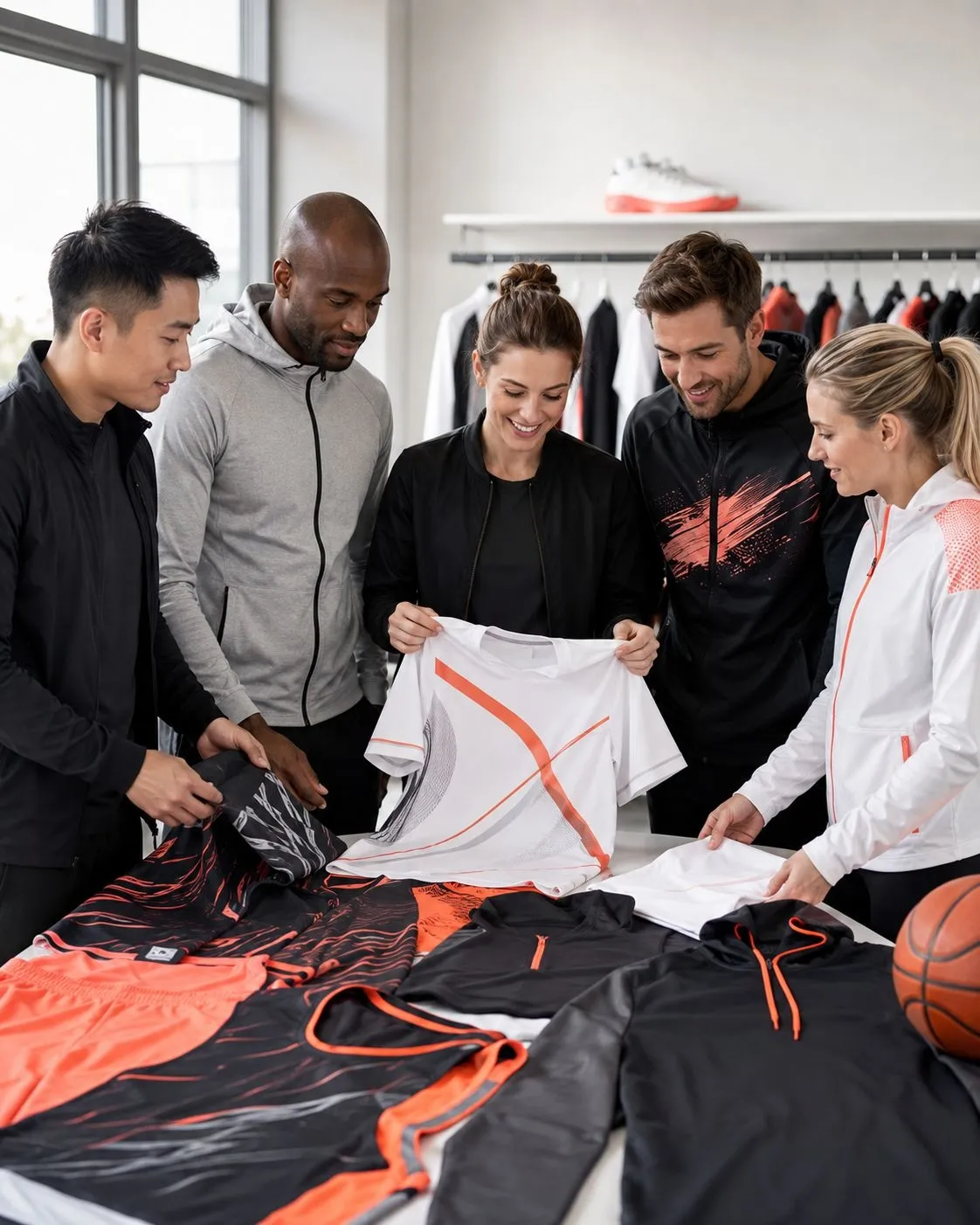
Who Is This OEM/ODM Solution For?
The service is designed for B2B buyers building products for resale, distribution or an organized sports community.
Sportswear brands: develop original teamwear, training apparel or performance collections with consistent brand details.
Cross-border sellers: turn a proven product direction into a differentiated range for international online markets.
Trading companies: coordinate multiple products and customer specifications through one sportswear manufacturing resource.
Club brands: connect match kits, training wear, staff apparel and supporter merchandise under one identity.
E-commerce brands: add private label products, branded packaging and repeatable specifications to an online catalog.
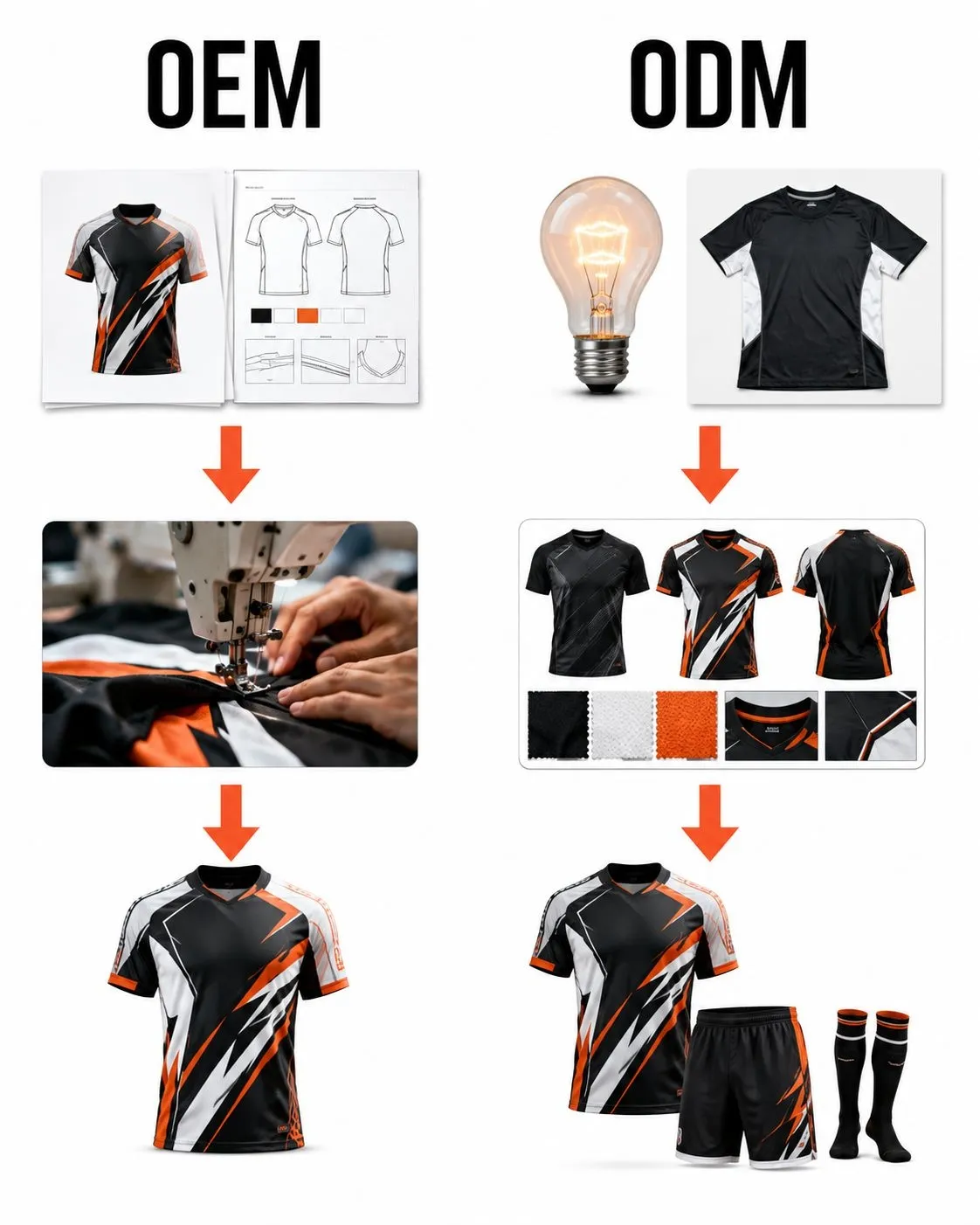
OEM or ODM: Choose the Right Starting Point
OEM sportswear manufacturing is the practical route when you already control the product direction. You may provide finished artwork, a technical pack, measurements, materials or a confirmed sample, and the manufacturing work follows the approved specification.
ODM sportswear development is useful when the commercial idea is clear but the product still needs development. You may start with a mood board, reference images, a target customer, a price direction or a sample that needs modification. The product details are then refined for sampling and production.
| Decision | OEM Route | ODM Route |
|---|---|---|
| Starting material | Artwork, tech pack or approved sample | Idea, reference, market need or sample to modify |
| Development need | Specification review and production setup | Design adjustment, material and construction development |
| Best suited to | Brands with production-ready information | Brands building or extending a product range |
| Shared result | An approved sample and specification used for bulk production | |
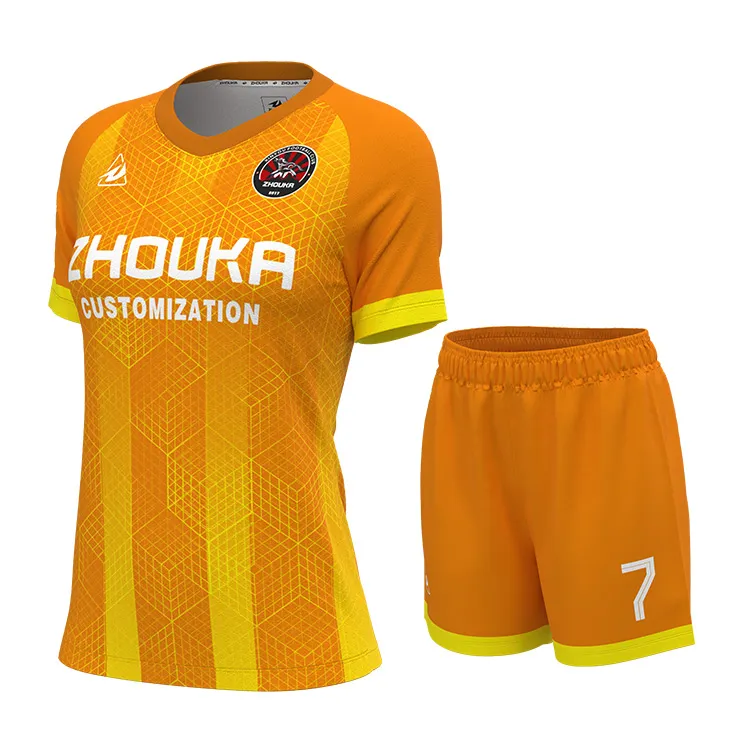
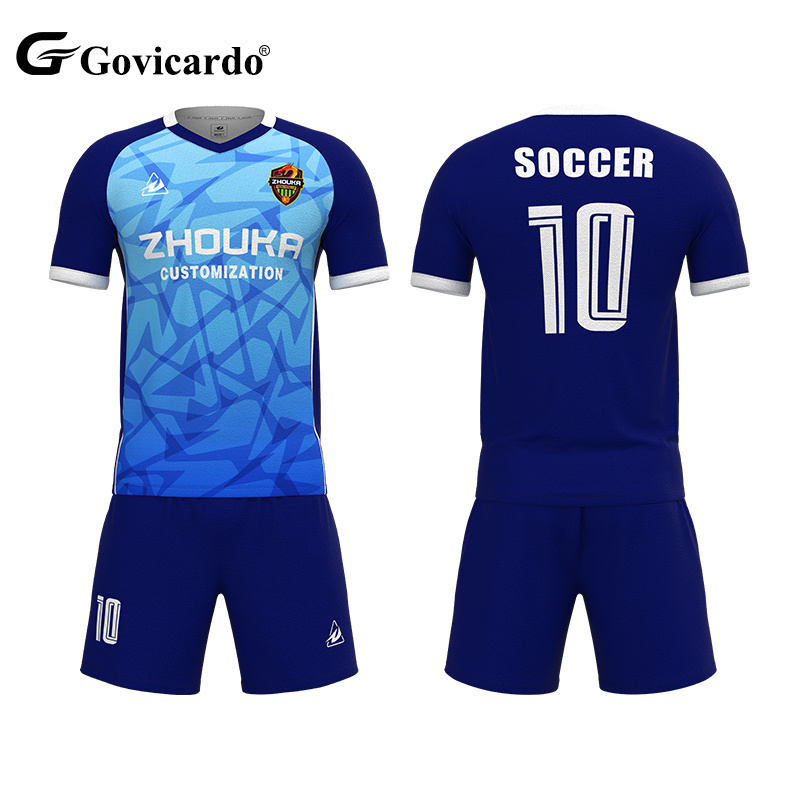
Many real projects combine both routes. A brand may supply finished artwork for a soccer jersey but request development support for a coordinated jacket, polo and packaging system. Govicardo can organize the project around the information already available instead of forcing every product into the same process.
Seven Product Services Behind a Brand-Ready Range
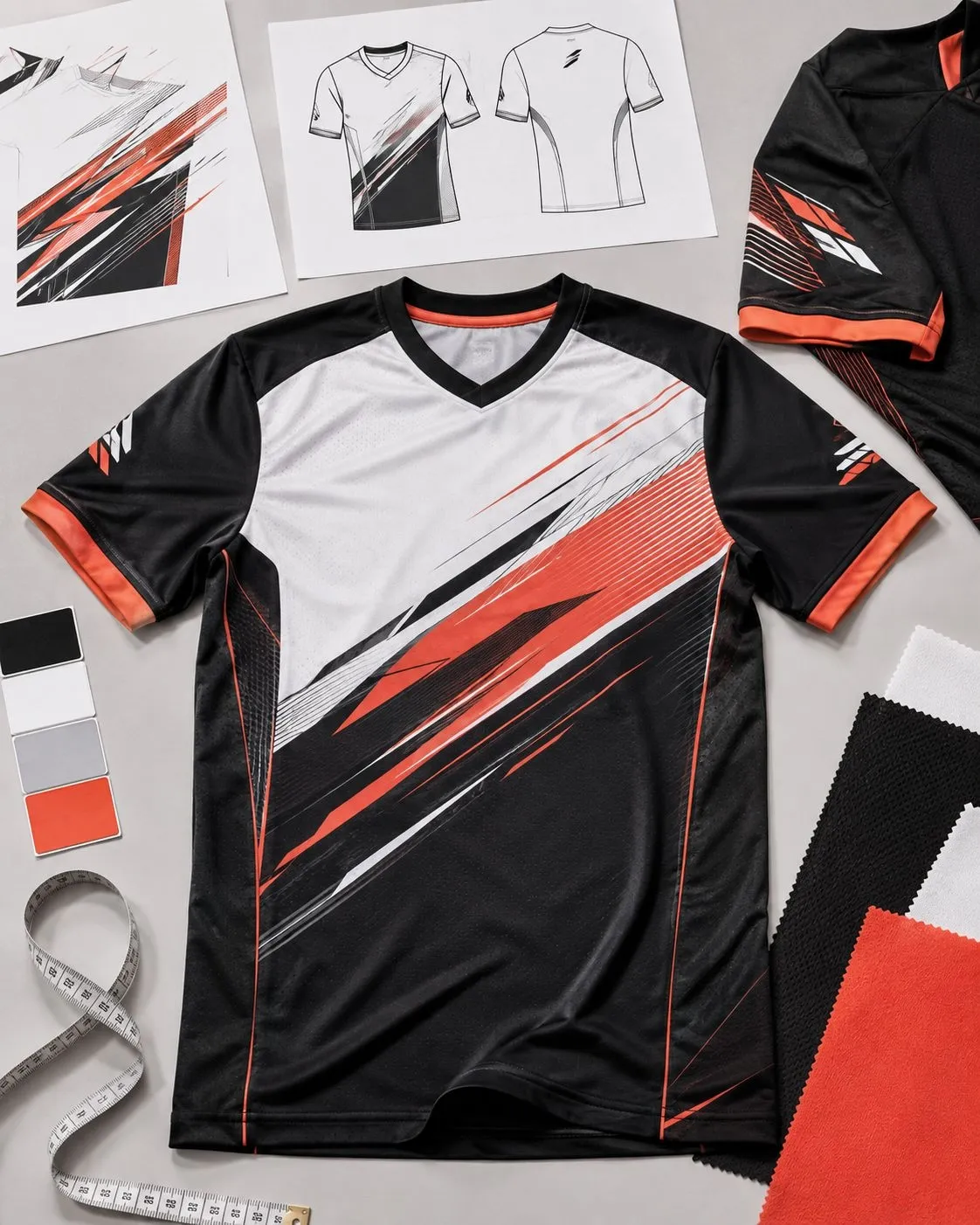
1. Custom Production from Your Artwork
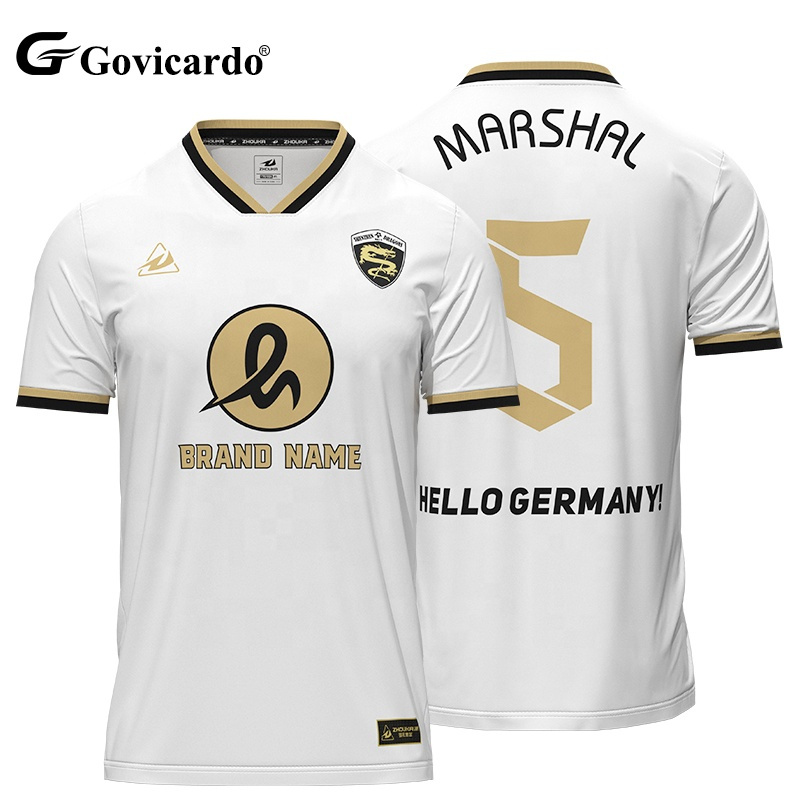
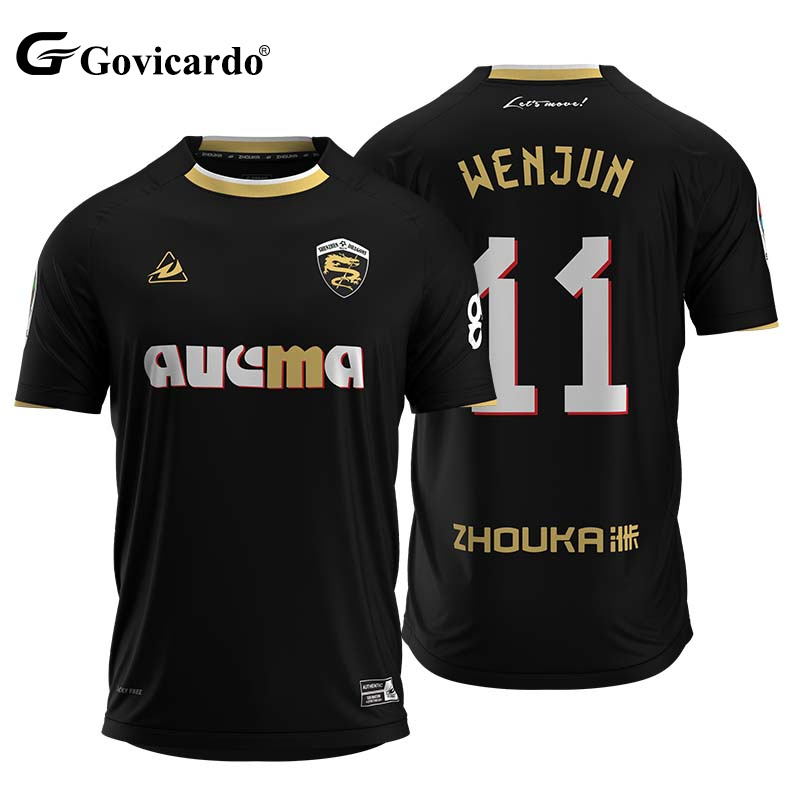
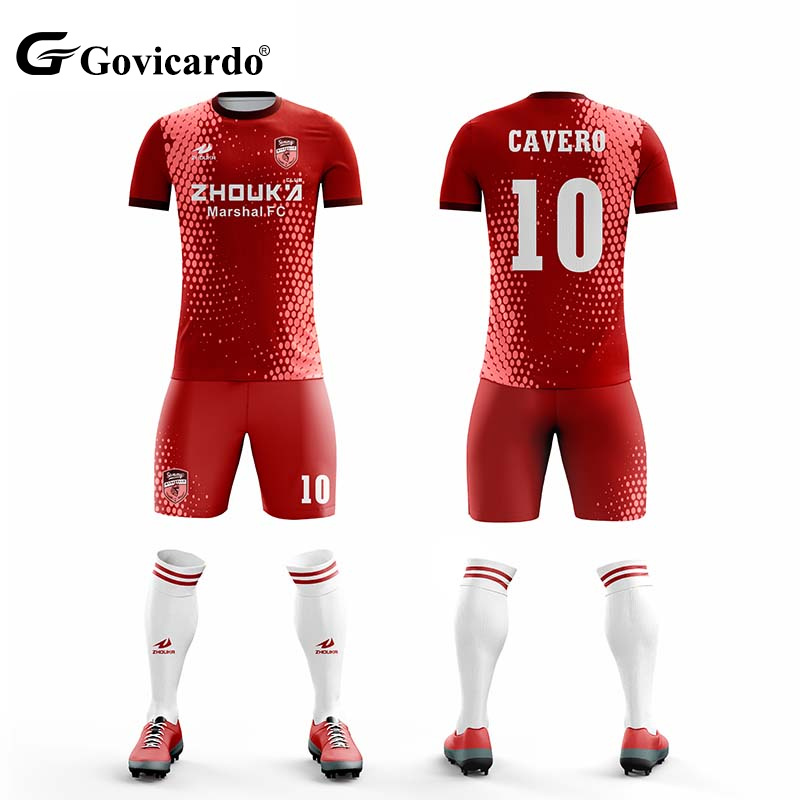
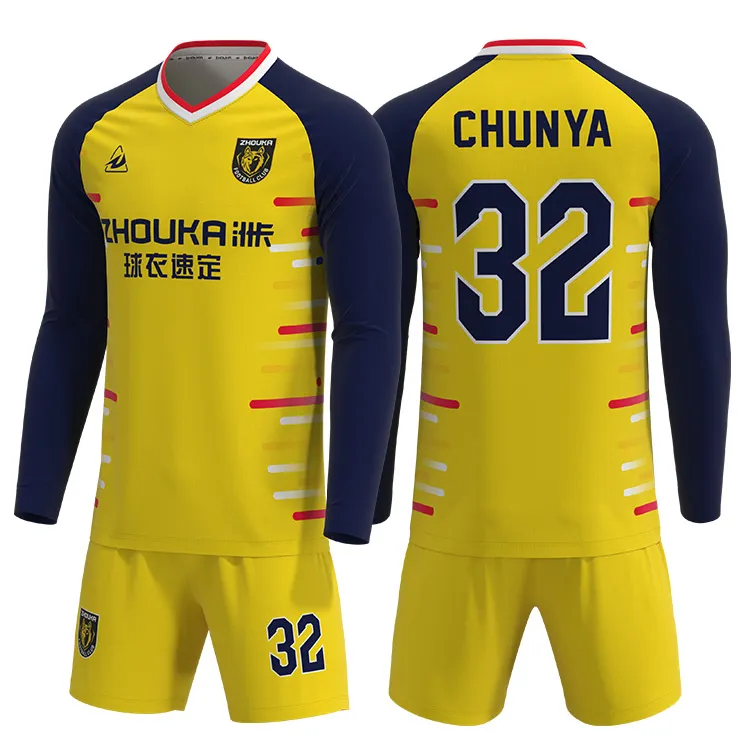
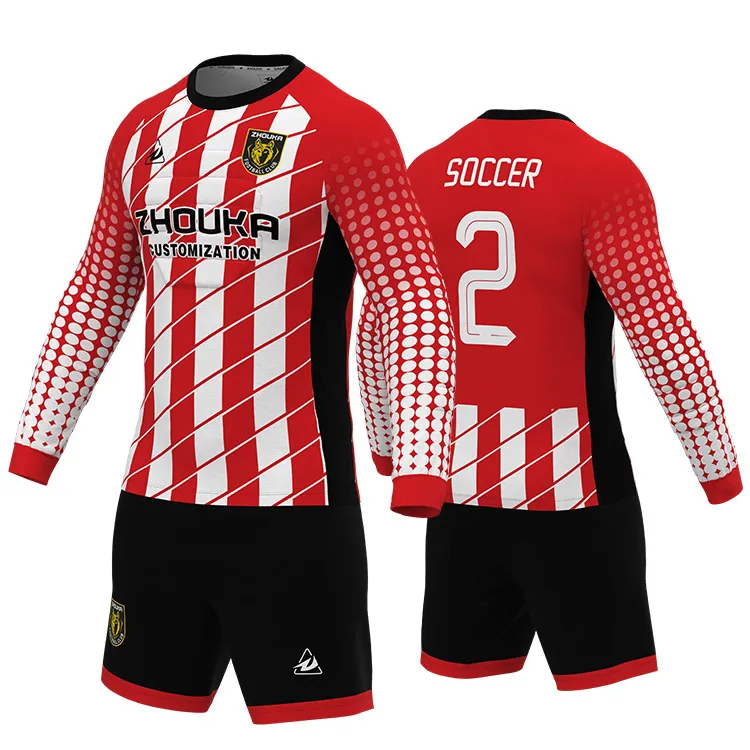
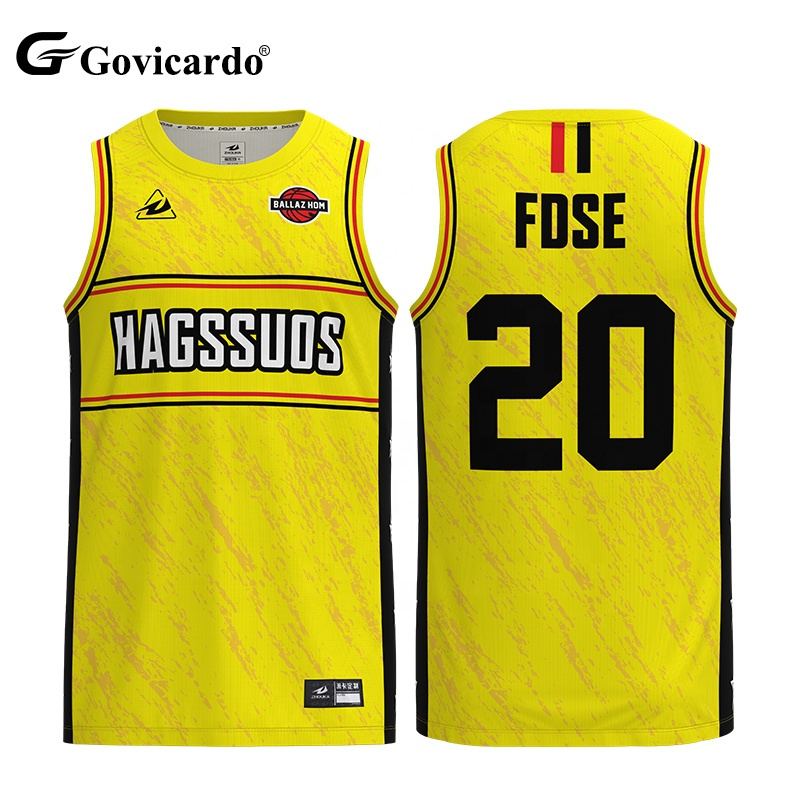
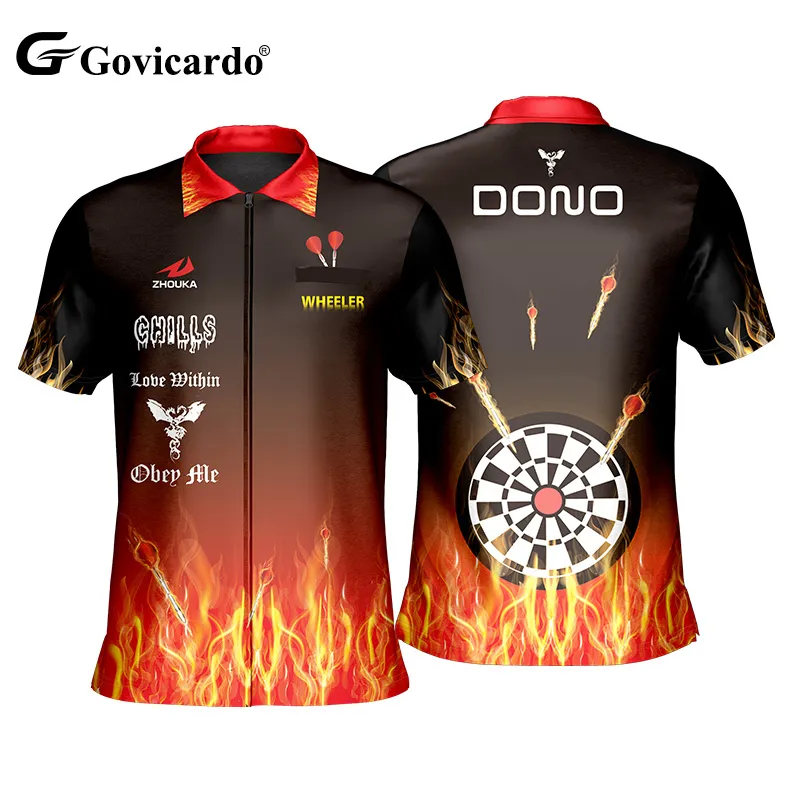
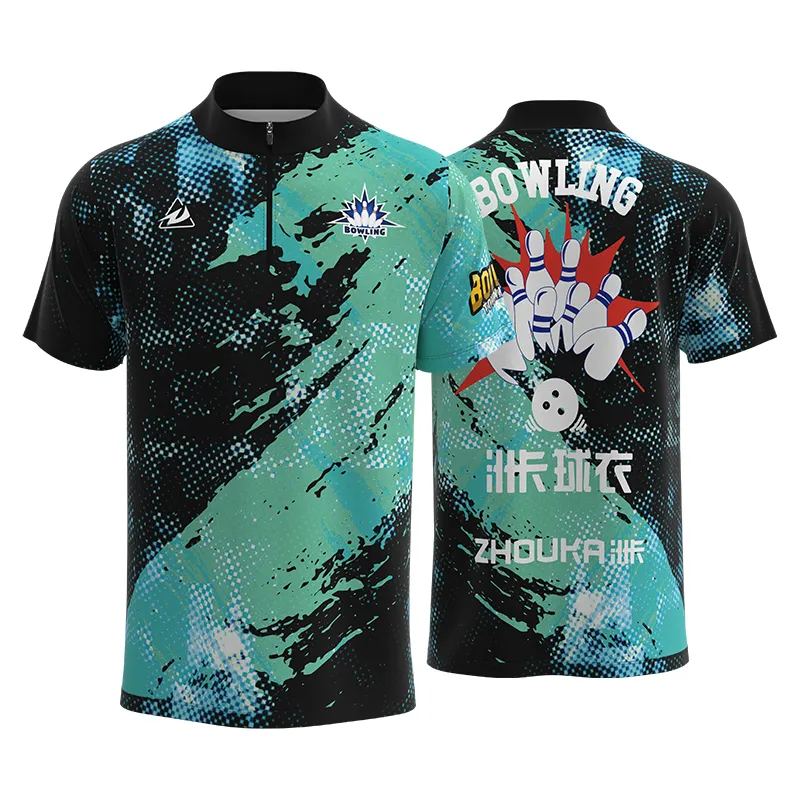
Send your colors, graphics, logo positions, names, numbers and product requirements. The files are reviewed against the garment panels and intended decoration process before an approval sample is prepared. Sublimation, digital printing, embroidery and heat transfer can be selected according to the product, material and design.
2. Development from a Reference Sample
A physical sample can communicate fit, construction and hand feel more clearly than a photo. Govicardo can review the reference together with the changes you need, such as a different collar, panel line, size chart, fabric, color system or branding. The new product remains an original development for your project.
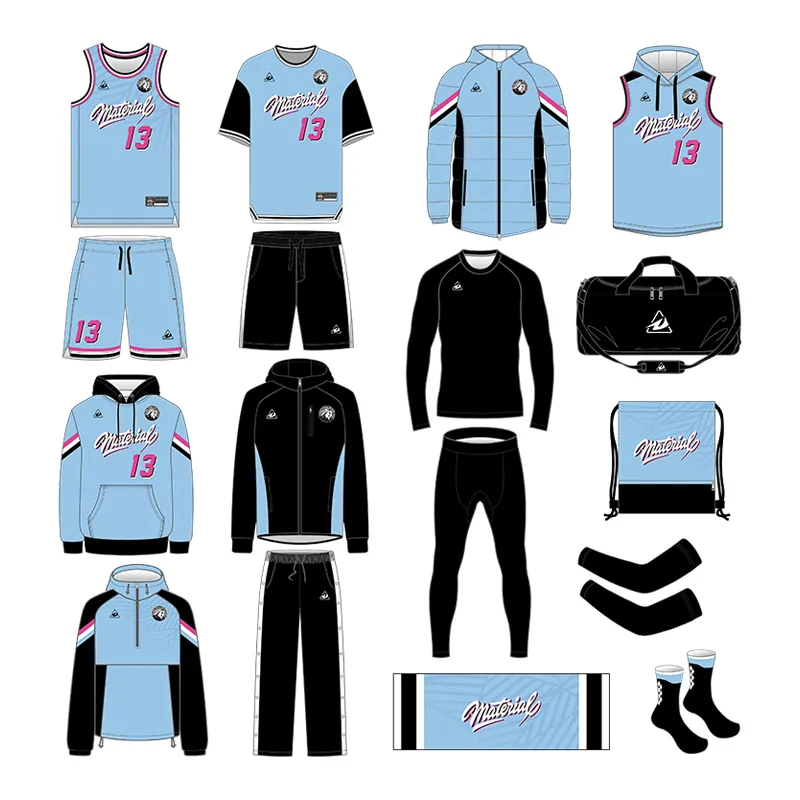
3. Coordinated Collection Development
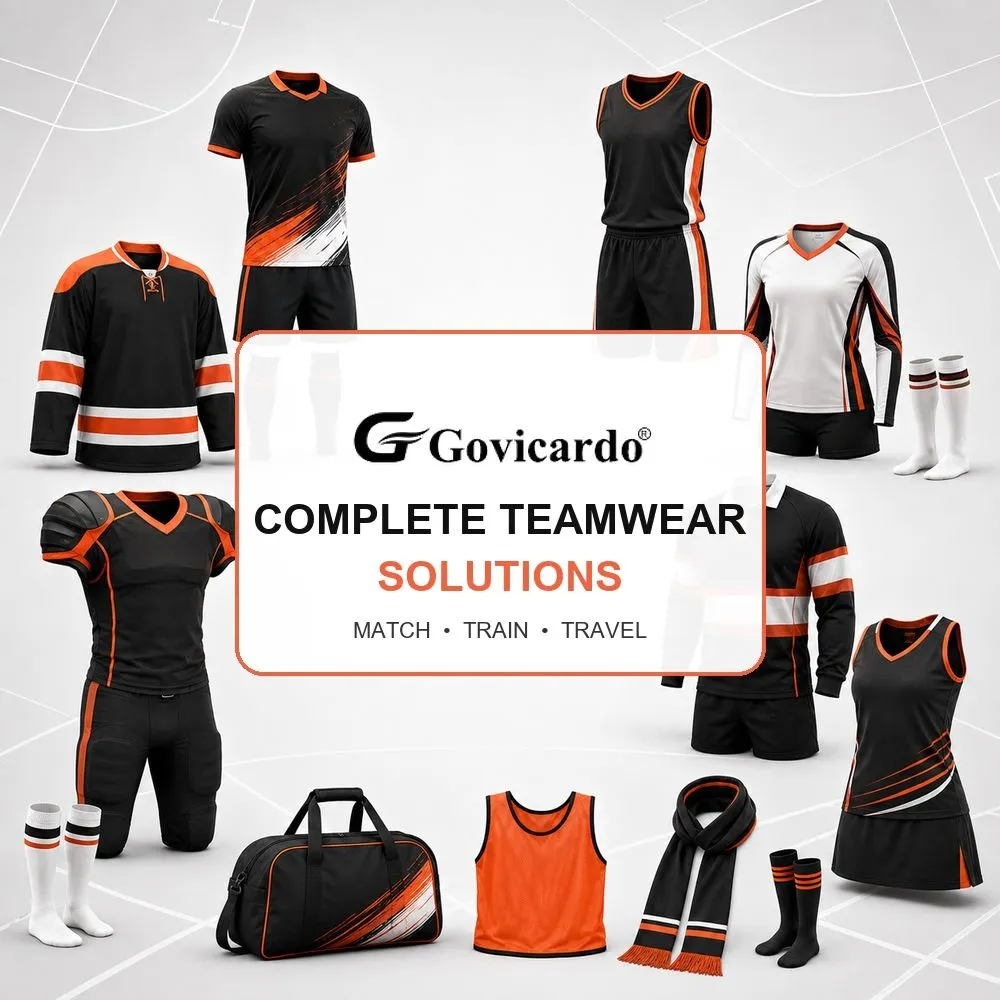
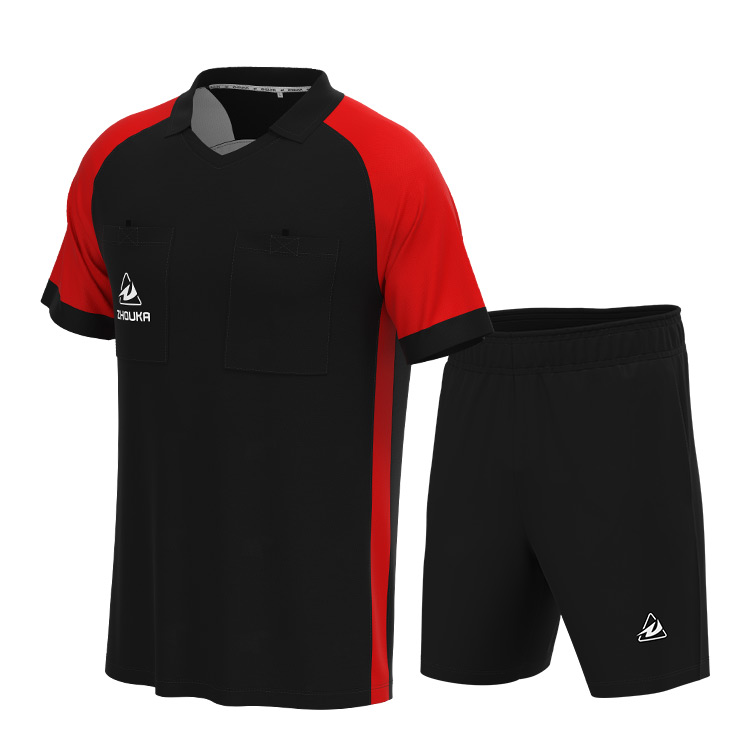
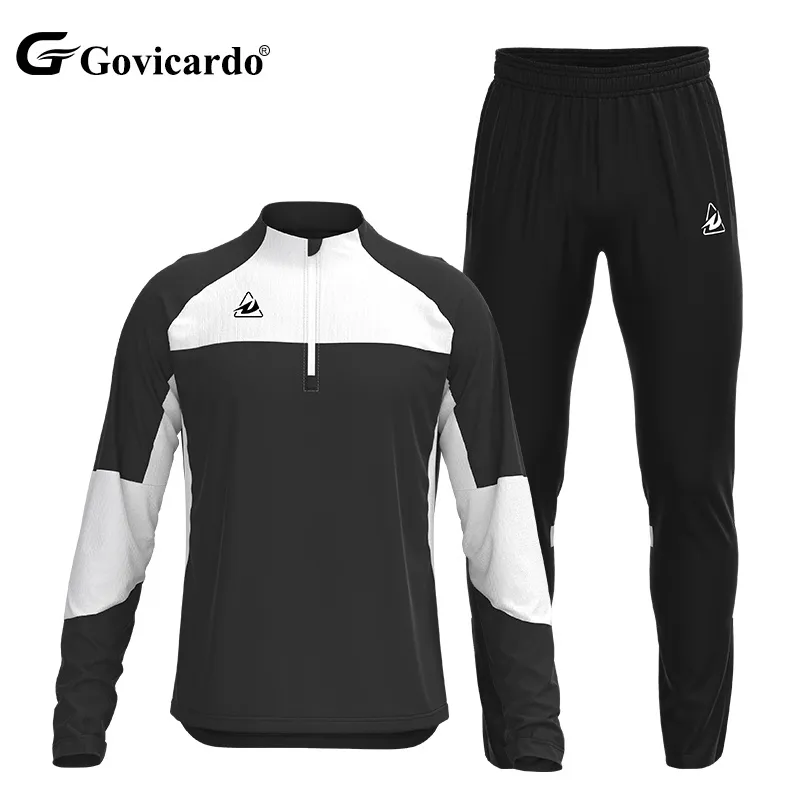
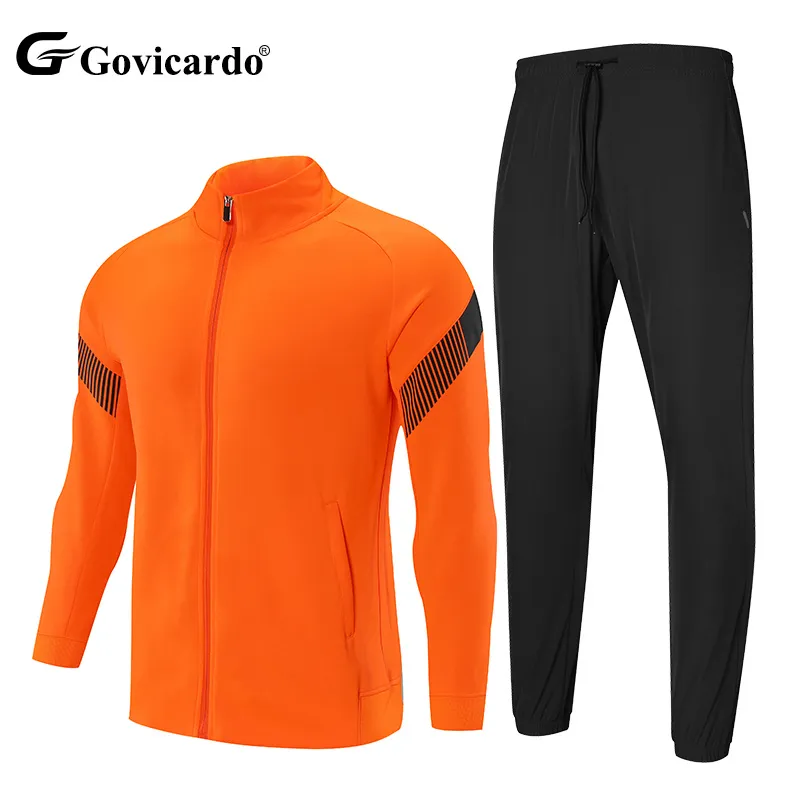
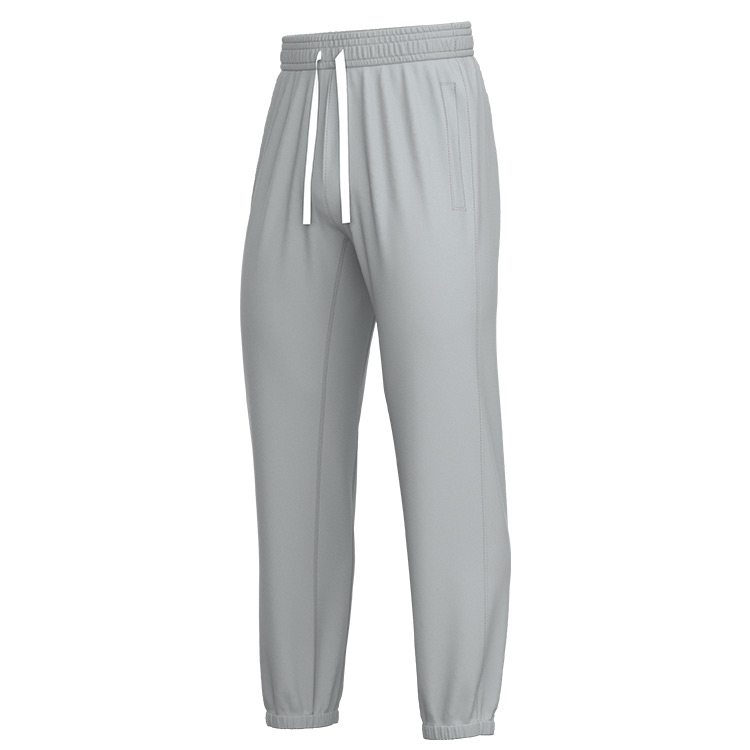
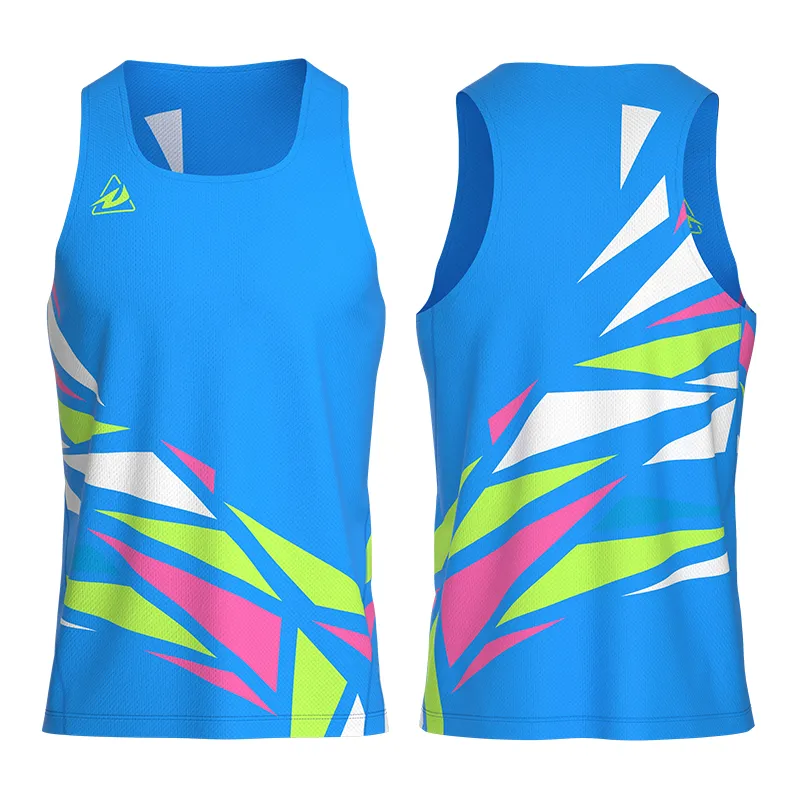
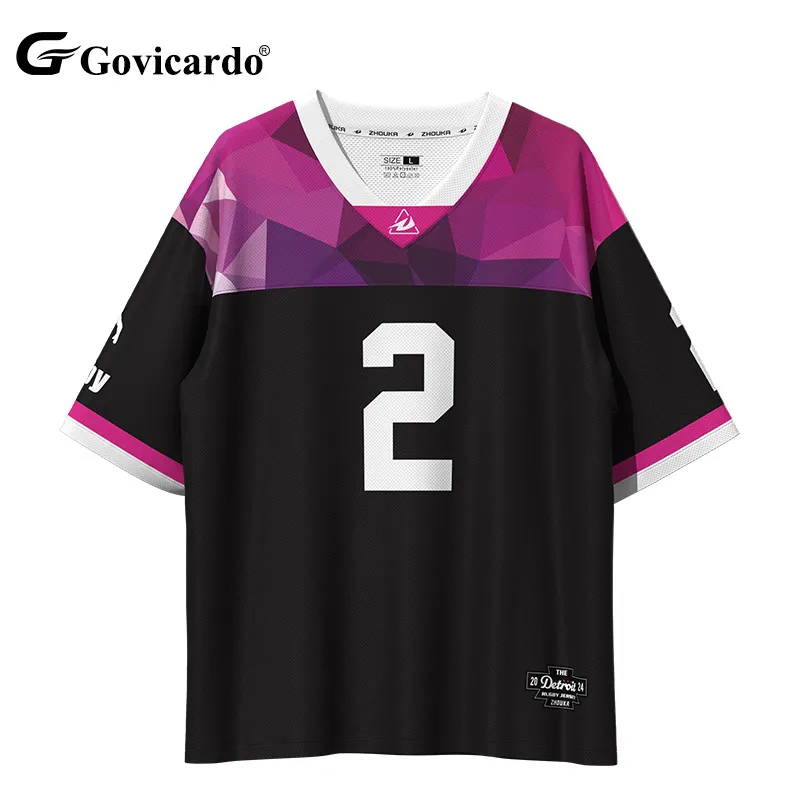
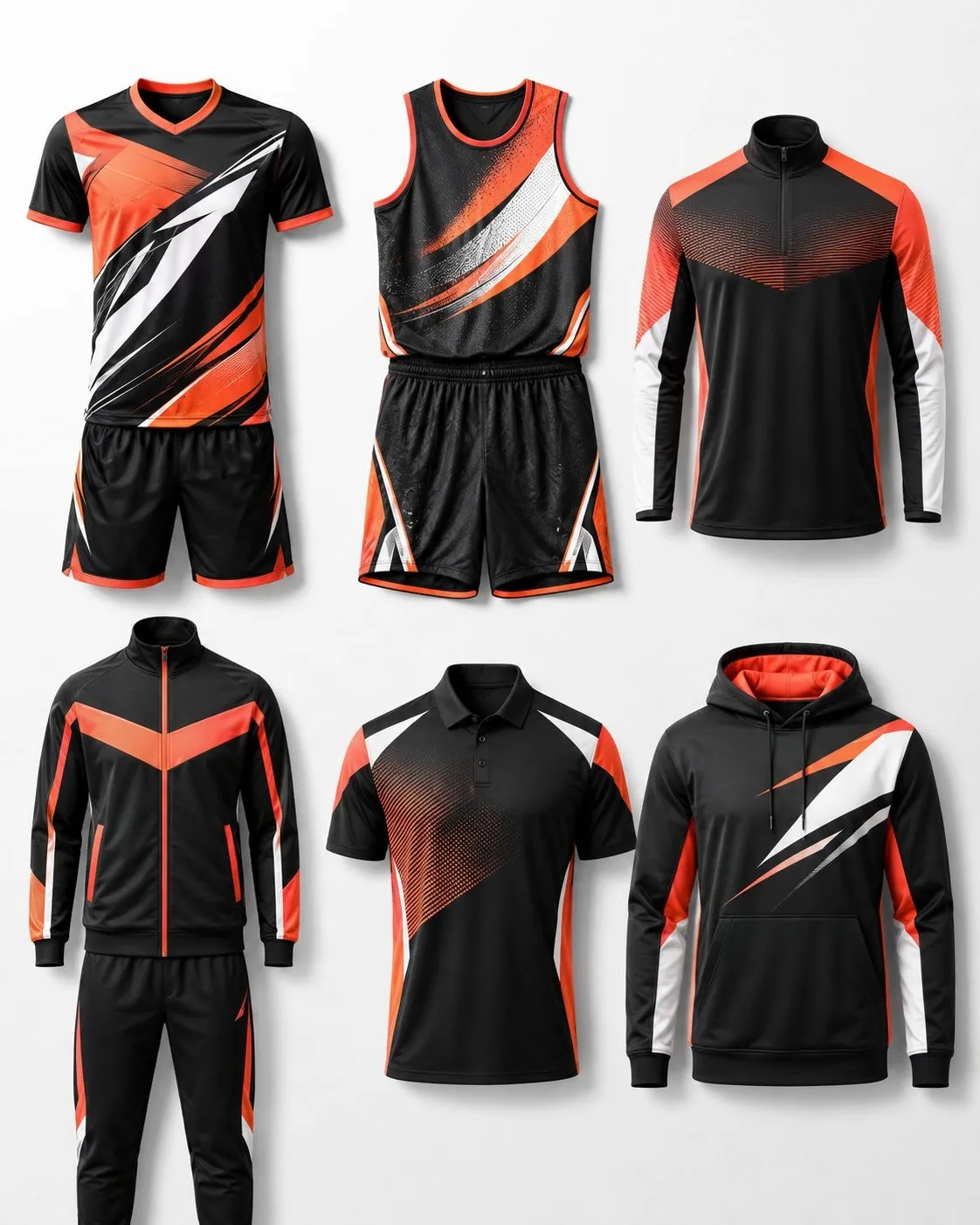
One product can become a recognizable family. A visual direction may be extended across match jerseys, shorts, training tops, tracksuits, jackets, polos, hoodies and other confirmed sportswear categories. Shared color references, graphic language and branding positions help the collection look related while each product keeps the construction required for its use.、
4. Fabric and Specification Customization
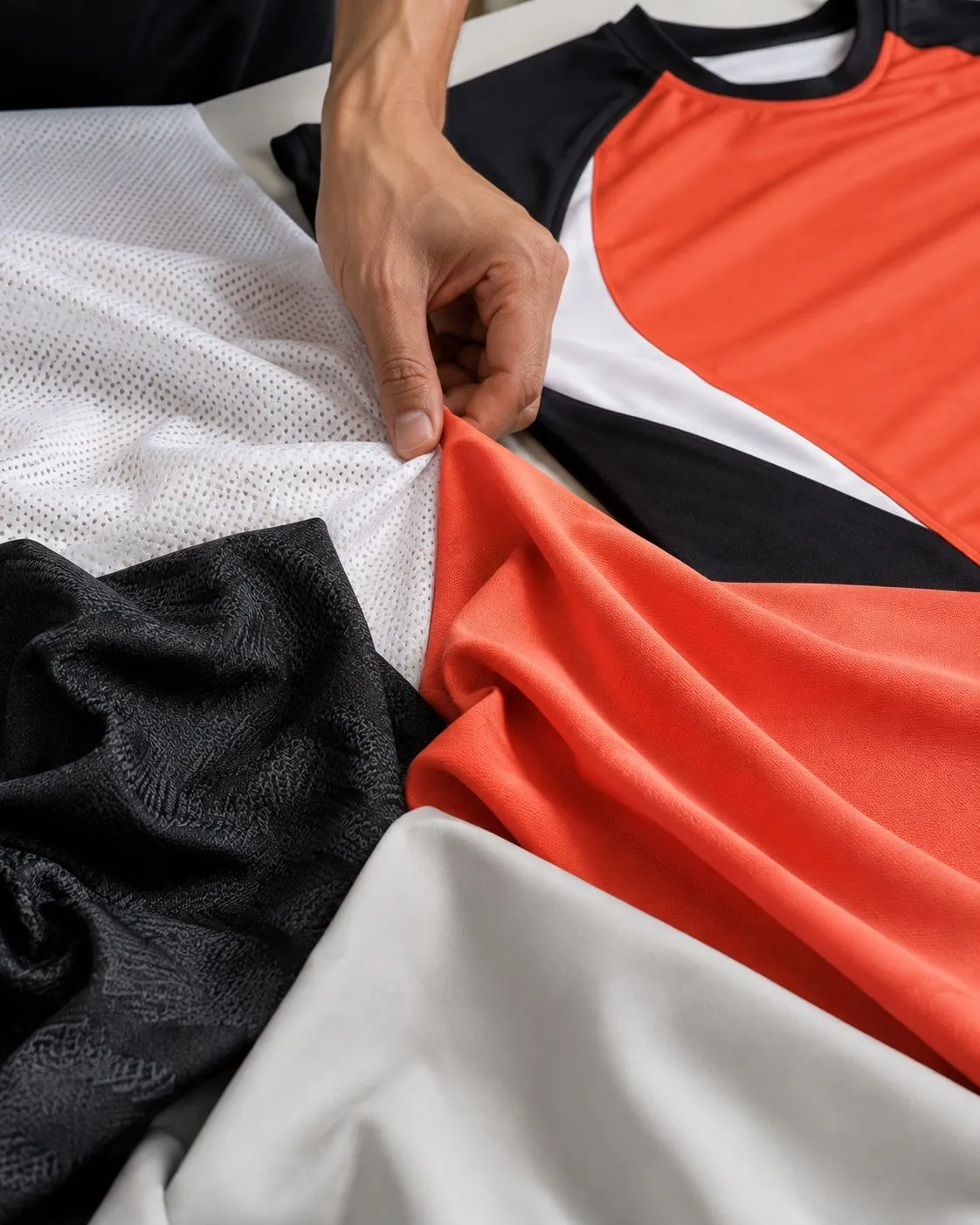
Fabric affects comfort, appearance, print result, durability and price. The specification may include composition, weight, stretch, mesh structure, surface texture and color. Fabric options are evaluated for the intended garment and process, then confirmed with the buyer before production.
5. Packaging and Private Label Details
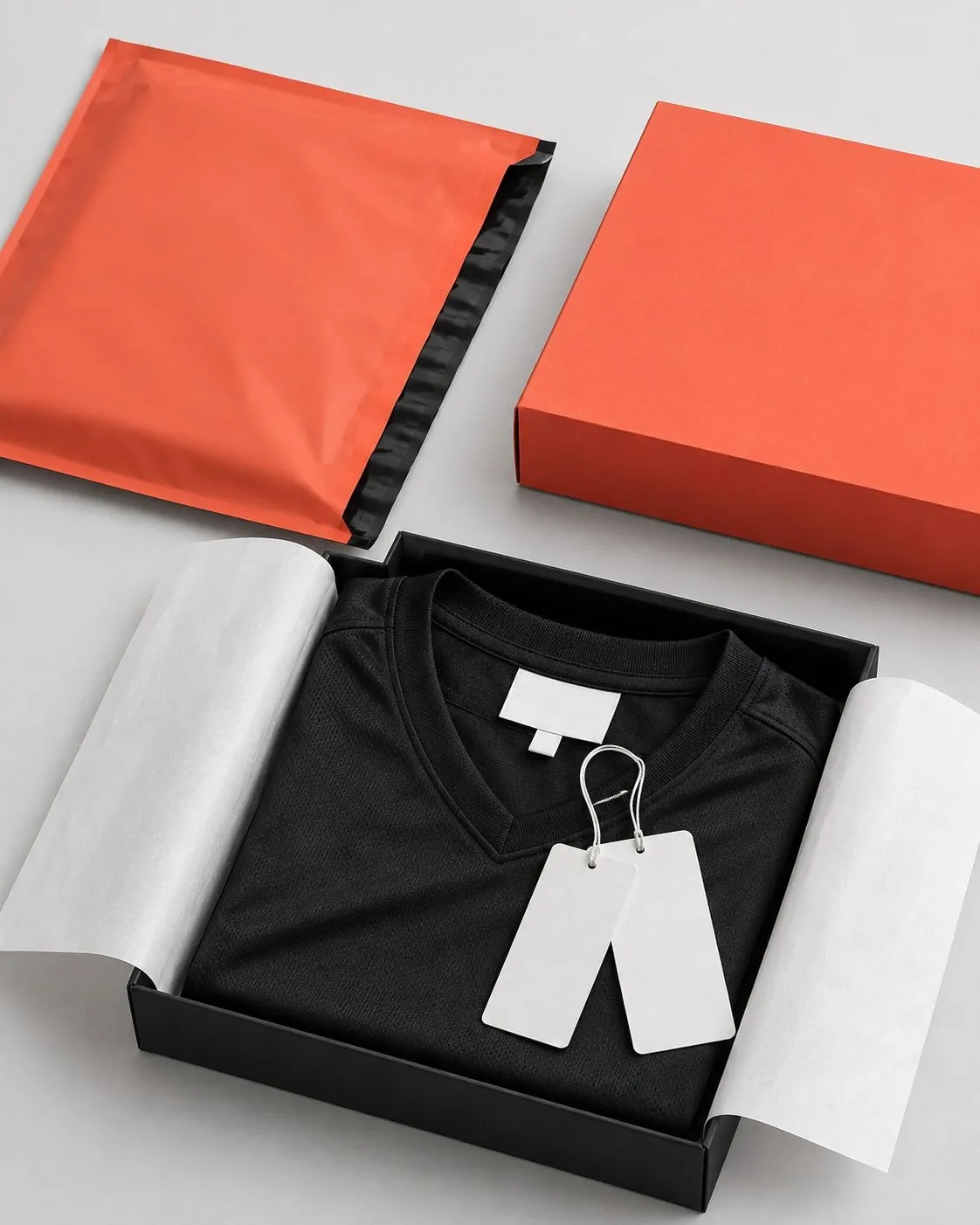
Neck labels, size labels, hang tags and packaging turn a manufactured item into a product that belongs to your brand. These components can be planned with the garment so dimensions, placement and packing instructions are confirmed before bulk production. Available options depend on the product and order specification.
6. Sampling Before Bulk Production
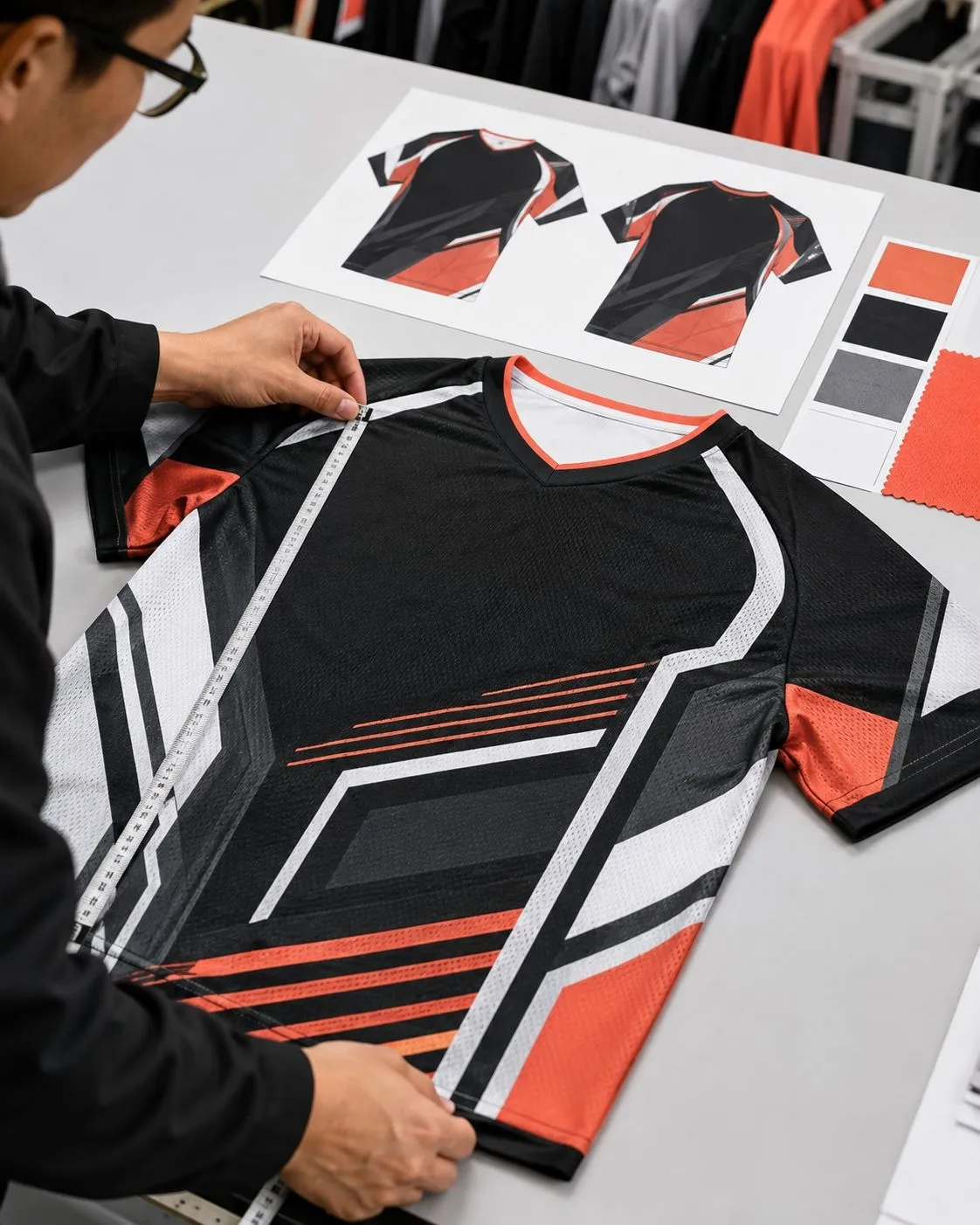
The sample is the control point between an idea and a production order. Buyers can review appearance, fit direction, measurements, material, construction, decoration and brand details. Required corrections are recorded, and bulk production begins only from the final approved information.
7. Bulk Production and Packing
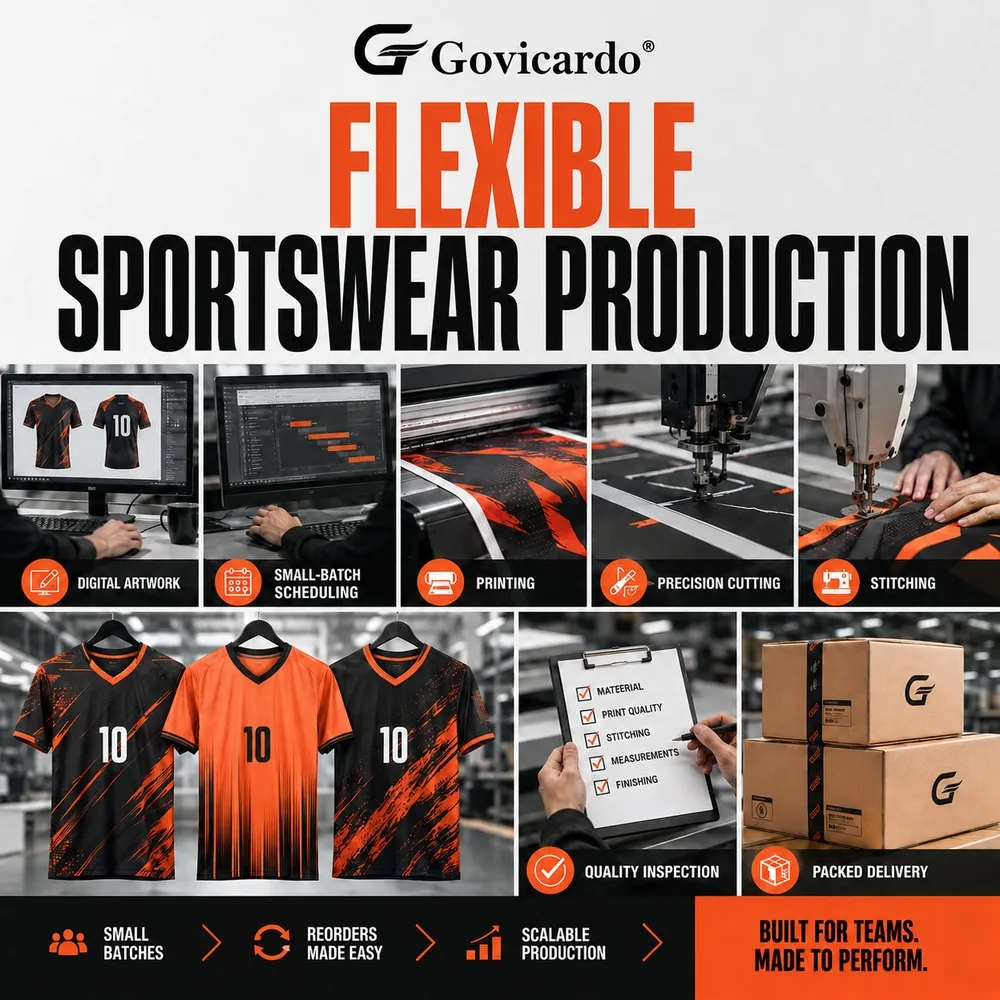
Approved specifications guide material preparation, cutting, printing or decoration, sewing, finishing, quality inspection and packing. Fully custom projects typically start from 20 pieces per design. The exact minimum depends on the product, fabric, construction and customization requirements and is confirmed during quotation.
Six Capabilities That Protect the Project
Factory and manufacturing capability: product development, fabric selection, sampling, production, inspection, packing and international shipment are coordinated as one confirmed project.
Development support: available artwork, samples and commercial goals are translated into workable product specifications.
Sampling capability: the brand can review the physical result before authorizing bulk production.
Bulk production: the approved product moves into an organized production and packing plan for the confirmed quantity.
Confidential cooperation: artwork, technical information, samples and unreleased collection details are handled as project information. A formal NDA can be discussed and agreed when required.
Stable quality control: approved samples, artwork, color references and product specifications create a shared inspection basis. Material or process changes that may affect the result require reconfirmation.
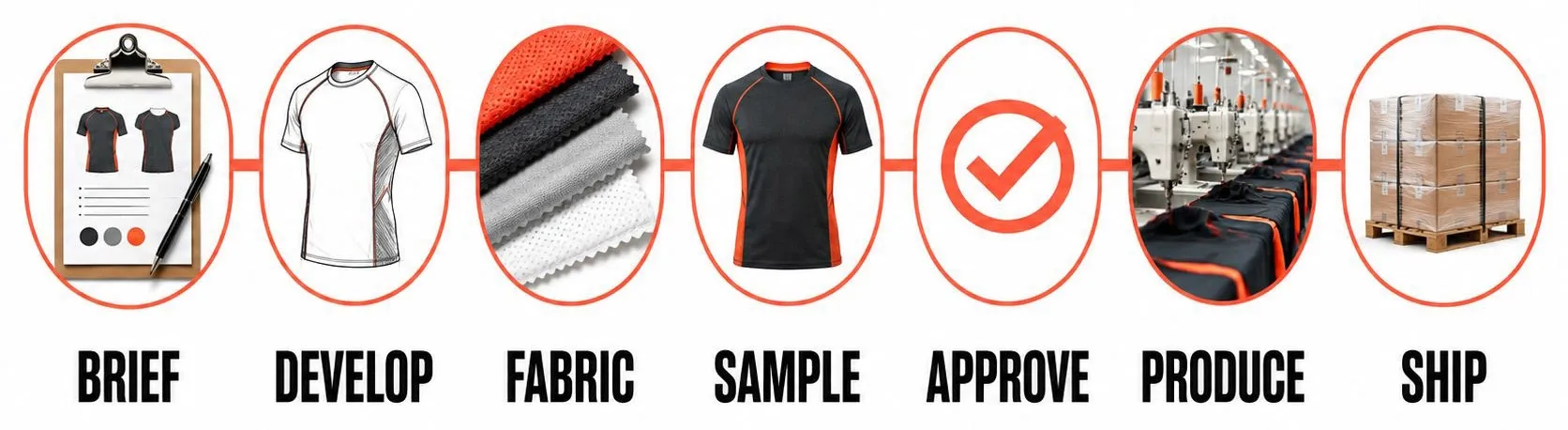
From Brand Brief to Packed Goods
Brief: define the target customer, product list, quantities, market, budget direction and required schedule.
Design and development: review artwork, references, sample requirements and the relationship between products in the range.
Fabric and specification: confirm materials, size chart, fit direction, construction, colors, decoration, labels and packaging.
Sample: make the agreed development sample and record buyer feedback.
Approval: confirm the final sample, artwork, measurements and order information before production.
Bulk production and QC: manufacture against the approved basis and inspect key product and order details.
Packing and shipment: pack according to the confirmed instructions and coordinate international shipment.
What to Send for an Accurate Project Review
A useful first inquiry does not need to be a perfect technical pack. Send the information you already have:
target customer, sales market and product category;
artwork, reference photos, technical files or a physical sample;
estimated quantity per design and size range;
preferred fabric, fit, decoration, labels and packaging;
target schedule and any details that must be protected or controlled.
Govicardo can then identify what is ready for quotation, what still needs development and which decisions should be confirmed during sampling. Explore the current custom sportswear product range for useful starting references.
Frequently Asked Questions
What is the difference between OEM and ODM sportswear?
OEM usually begins with product information supplied by the buyer, such as artwork, a technical pack or an approved sample. ODM begins earlier, when an idea or reference still needs design adjustment, material selection and product development. Both routes finish with an approved specification for production.
Can Govicardo develop a product from my drawing or reference image?
Yes. A drawing, mood board or reference image can begin an ODM review. The team will identify missing information such as dimensions, fabric, fit and construction, then prepare a development direction for sampling.
Can you develop sportswear from a physical sample?
Yes. A physical sample can be reviewed for fit, construction, fabric and finishing. Tell us which features should be retained and which should change. The final specification and sample must be approved before bulk production.
What is the MOQ for custom sportswear?
Fully custom projects typically start from 20 pieces per design. Exact minimums depend on the product, fabric, construction and customization requirements, so the confirmed MOQ is provided with the quotation.
Can my neck labels, hang tags and packaging be customized?
Yes. Private label neck tags, size labels, hang tags and packaging can be included in the product specification. Available materials, dimensions, minimums and packing methods are confirmed for the individual project.
How is confidential product information handled?
Artwork, technical information, samples and unreleased collection details are treated as project information and used to prepare the requested products. If your company requires a formal NDA, raise it before sharing restricted material so the document can be discussed and mutually agreed.
How does quality control work for bulk orders?
The approved sample, artwork, measurements, color references and order specification provide the inspection basis. Key materials, decoration, workmanship, sizing, quantities and packing details are checked according to the confirmed project requirements.
Does Govicardo support international brand orders?
Yes. Govicardo serves global brands, clubs, schools, leagues, distributors and e-commerce sellers. Packing and international shipment are coordinated according to the confirmed order and delivery plan.